Size actually matters, but bigger isn't always better
I've seen it a hundred times on building sites from Maroochydore to the outskirts of Geelong. A family buys a beautiful acre of land and they immediately want to slap down the biggest steel frame kit they can find. They want five bedrooms, a media room, a study, and a double garage. Then they realize after the slab goes down that they've essentially built a suburbia-style fortress that's a nightmare to clean and costs a fortune to cool during a blistering January heatwave. Building a kit home isn't about filling every square inch of your BAL-rated building envelope. It's about finding the sweet spot where your lifestyle fits inside the walls without leaving you with a massive mortgage or a home that feels like a cavern.
You need to sit down with a pencil and a piece of graph paper before you even look at a catalog. Think about your Tuesday morning routine. If you're single or a couple, why are you paying for the materials and the long-term maintenance of three spare bedrooms that only get used once a year when the in-laws visit from Perth? It doesn't make sense. Every extra square meter is more cladding, more BlueScope steel, more insulation, and more time you'll spend on a ladder painting. Small, smart designs win every time.
The council side of the fence
Before you get too attached to a specific floor plan, you've got to suss out your local council's DCP (Development Control Plan). Some of these documents are dryer than a dead kangaroo, but they hold the keys to your project. Councils have strict rules about site coverage. If you've got a 600sqm block in a suburban area, you might only be allowed to cover 50% of it with roofed structures. That includes your kit home, your shed, and your verandahs. I've known guys who bought a kit, had it delivered, and then found out they couldn't get it through the DA because it was two meters too wide for the setbacks. It's a mess you don't want to deal with. Check your side setbacks. Usually, you need at least 900mm to 1500mm from the fence line, but it varies wildly depending on your zoning.
Bushfire Attack Levels (BAL) and your footprint
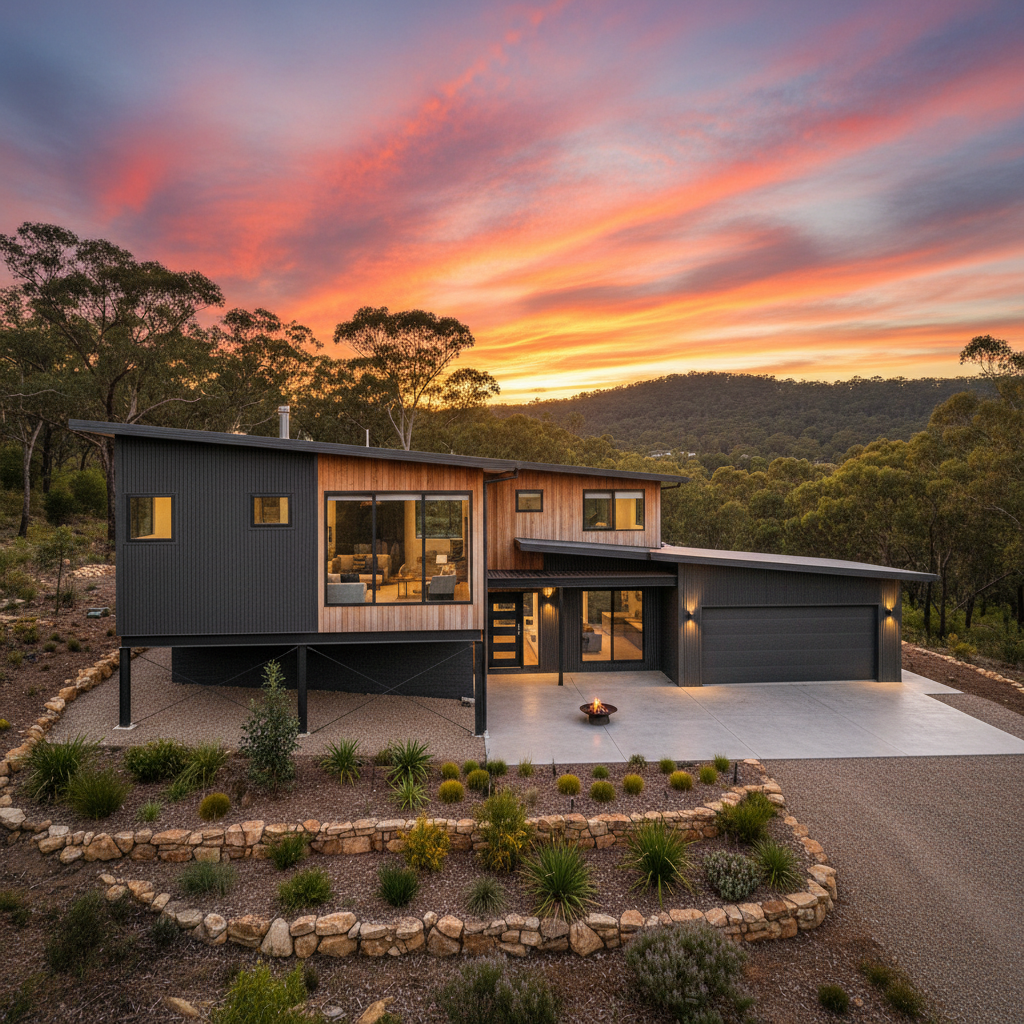
If you're building in the scrub, your BAL rating is going to dictate a lot. If you're in a BAL-29 or BAL-40 zone, your windows and doors get expensive. The bigger the house, the more glass you have. The more glass you have, the more you're shelling out for toughened mesh and specialized frames. Keeping the footprint compact in bushfire-prone areas isn't just a design choice, it's a massive money-saver. Plus, you have to manage the asset protection zone around the house. A smaller house means less clearing, which keeps the local flora happy and reduces your weekend yard work.
Living and breathing in a steel frame home
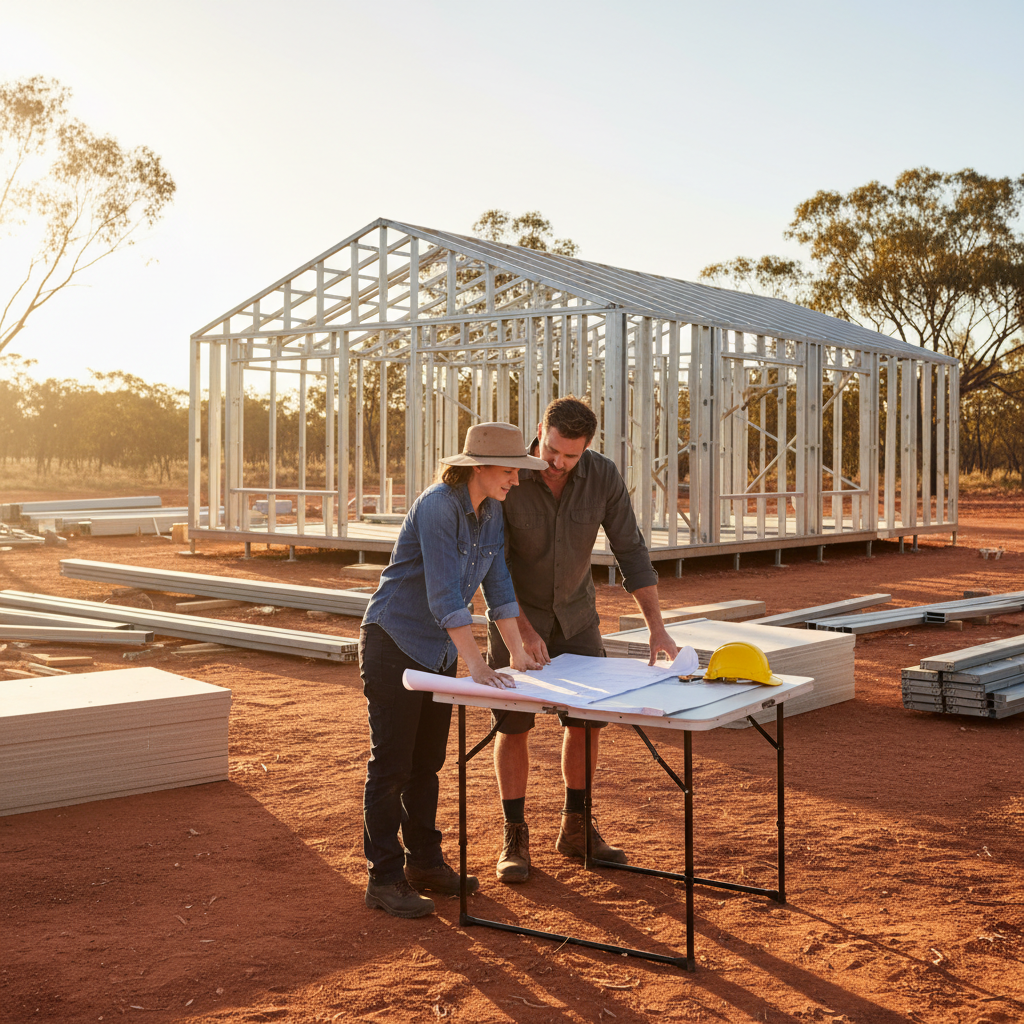
Steel frames are the way to go for most of my clients because termites'll eat a timber house in Queensland faster than a bunch of kids at a birthday party. We use TRUECORE steel because it’s straight. When you’re an owner-builder doing your own plastering or hiring a contractor, you want those walls to be dead flat. But remember, steel doesn't mean you should go overboard with complexity. Every hip, valley, and junction in your roofline adds cost and potential leak points in twenty years. Keep your design simple. A rectangular or L-shaped footprint is easier to build, easier to roof, and much more efficient to insulate. You want that R-value to actually work for you.
Zoning your lifestyle
Think about the flow. I call it the 'milk run'. How far do you have to walk from the car with a heavy bag of groceries to get to the kitchen? If your plan has you dodging through a laundry and two hallways, you're going to hate it within a week. Open-plan living is great for the Aussie lifestyle, but you need some breakout space. If the kids are watching some loud show in the lounge, can you find a quiet corner to read or work? Zoning the floor plan into 'active' and 'quiet' areas is the hallmark of a good kit home design. Put the bedrooms at one end and the living at the other. It sounds simple, but you'd be surprised how many people get it wrong because they're focused on the facade and not the floor plan.
The outdoor connection
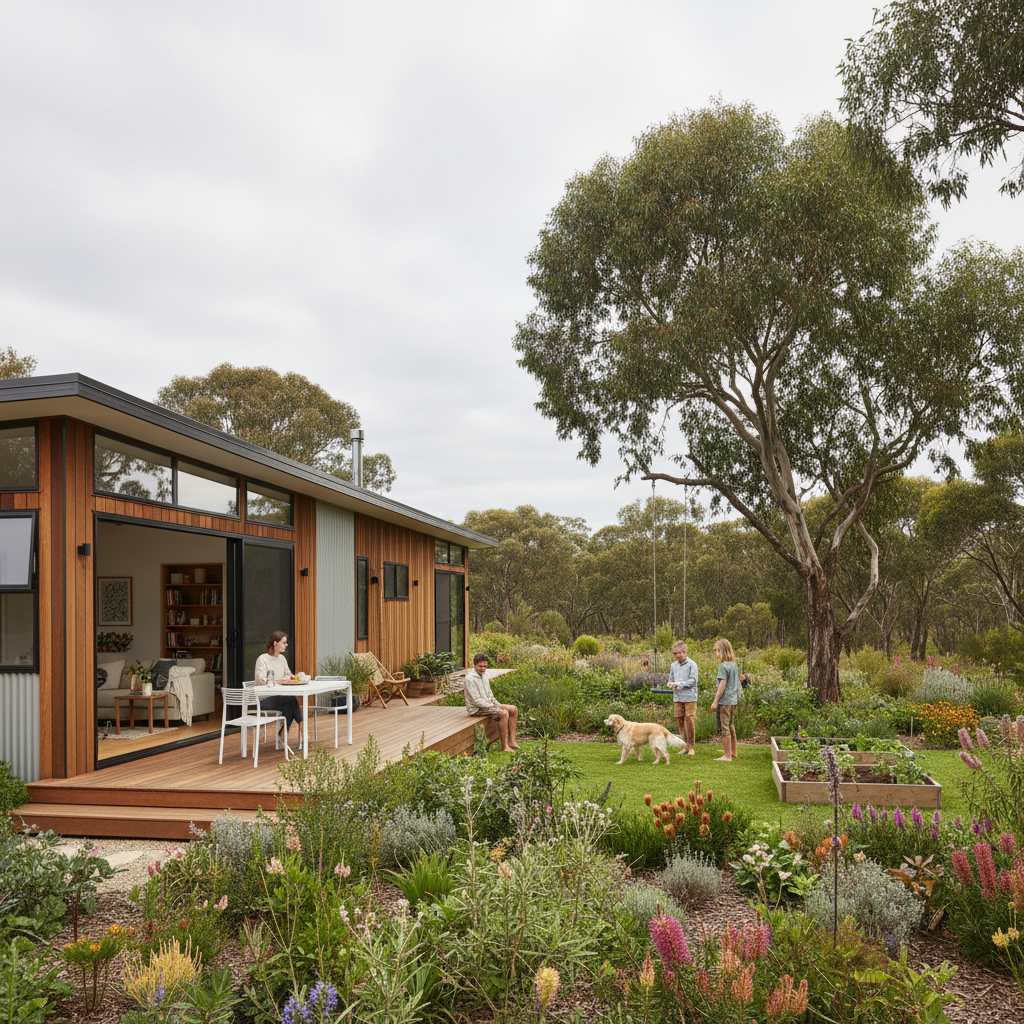
We live outside most of the year. If you're building in the Northern Rivers or anywhere with a decent climate, your deck is your second lounge room. Sometimes it's smarter to buy a smaller two-bedroom kit and spend your extra energy building a massive, wrap-around verandah. It gives you the space you need without the cost of fully enclosed, conditioned rooms. Aluminum sliding doors that open up wide can melt the barrier between your kitchen and the garden. That's the dream, isn't it? Just make sure your roofing covers the deck properly so you aren't scurrying inside every time a summer storm rolls through.
Future-proofing for the long haul
Are you going to be in this house in fifteen years? If you're reaching retirement age, those three steps up to the front door might feel like a mountain later on. Building on a slab on ground is usually better for accessibility than an elevated kit on stumps, though stumps are better for sloping blocks or flood zones. Think about door widths too. Making your internal doors 870mm instead of the standard 820mm doesn't cost much extra during the frame stage but makes a world of difference for moving furniture or if someone ends up in a wheelchair. It's those little details that separate a 'house' from a 'forever home'.
Don't forget the 'bits and pieces'
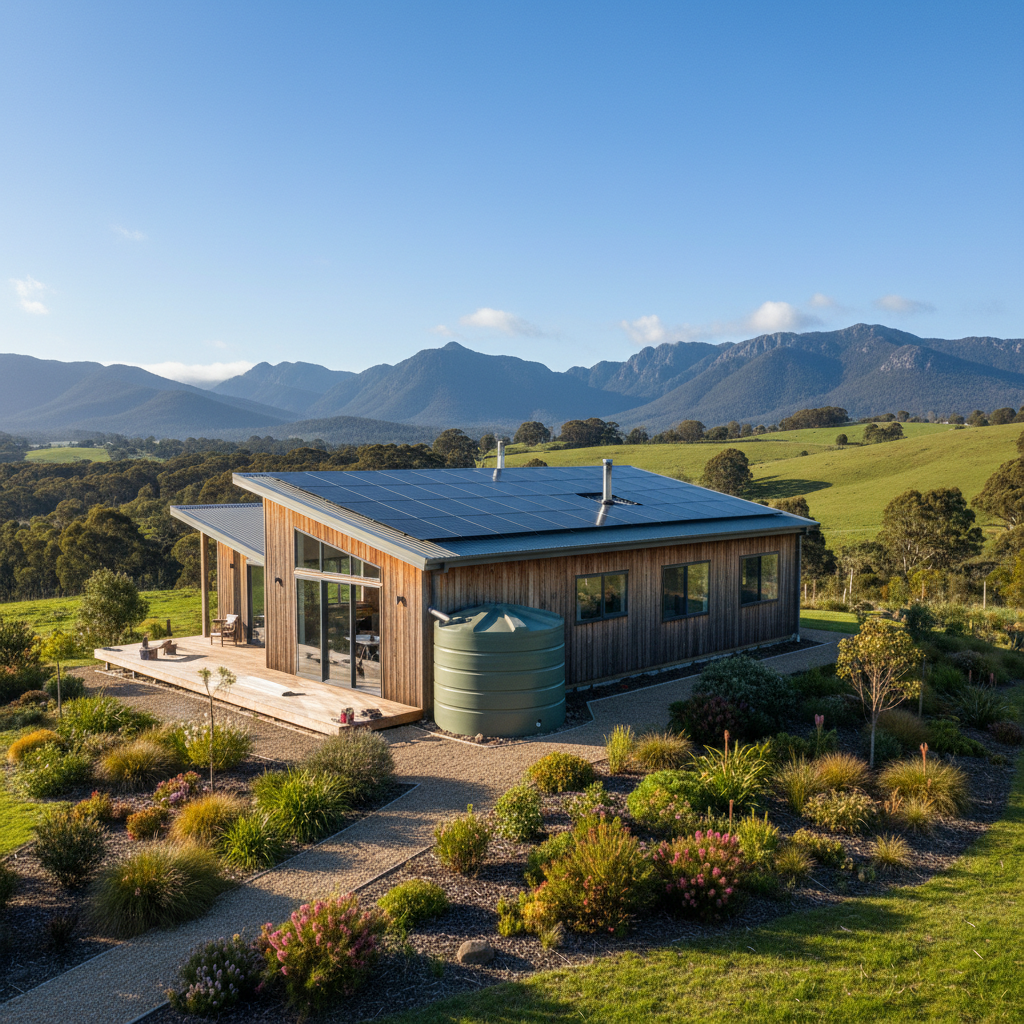
When you're looking at your land, think about where the services go. Your septic tank, your rainwater tanks, and your clothesline all take up room. You don't want your main bedroom window looking directly at the septic vent. And you definitely don't want to be hauling the mower through the house because you didn't leave enough room between the wall and the fence to get past. Plan your site properly. Orient the house so the long axis faces North. This is basic passive solar design. It keeps the sun off the walls in summer but lets the winter sun crawl across your floorboards when it's cold. If you ignore the sun, you'll be a slave to your air conditioner, and nobody wants those power bills.
The best advice I can give any owner-builder is to be honest with yourself. Don't build for the person you wish you were. Build for the person who has to clean the floors on a Sunday afternoon and the person who has to pay the bills. A well-sized, well-sited kit home is a joy. An oversized, poorly planned one is just a headache with a roof on it. Take your time, walk the block at different times of the day, and really think about how much space you need to be happy. Usually, it's less than you think.