The Great Australian Migration: Why We Are Heading for the Hills
There is a quiet revolution happening across Australia. From the rolling hills of the Byron Bay hinterland to the rugged beauty of the Margaret River region, thousands of Australians are packeting up their city lives and heading for greener pastures. This 'tree-change' movement is not just about a change of scenery, it is about a fundamental shift in how we want to live. People are seeking more space, less noise, and a deeper connection to the land.
However, building a dream home in a regional area comes with its own unique set of challenges. Traditional building timelines can be long, and finding available contractors in remote areas can be a headache. This is exactly why kit homes have emerged as the go-to solution for the modern tree-changer. They offer a streamlined, flexible, and high quality way to plant roots in regional Australia without the traditional stresses of a conventional build.
The Perfect Match for Regional Landscapes
When you move to the country, you aren't just building a house, you are creating a sanctuary that needs to stand up to the Australian elements. Kit homes, particularly those utilizing high quality Australian steel frames, are designed with this resilience in mind. Unlike some traditional building methods, a kit home allows for a level of precision that is vital when you are building on an isolated block of land.
One of the biggest draws for tree-changers is the ability to customize a design to suit a specific site. Whether you have a sloping block with valley views or a flat patch of bushland, the versatility of kit home designs means you can orient your living spaces to capture the winter sun and deflect the harsh afternoon heat. This thermal efficiency is crucial for regional living, where temperatures can swing wildly between day and night.
The Power of the Owner-Builder Journey
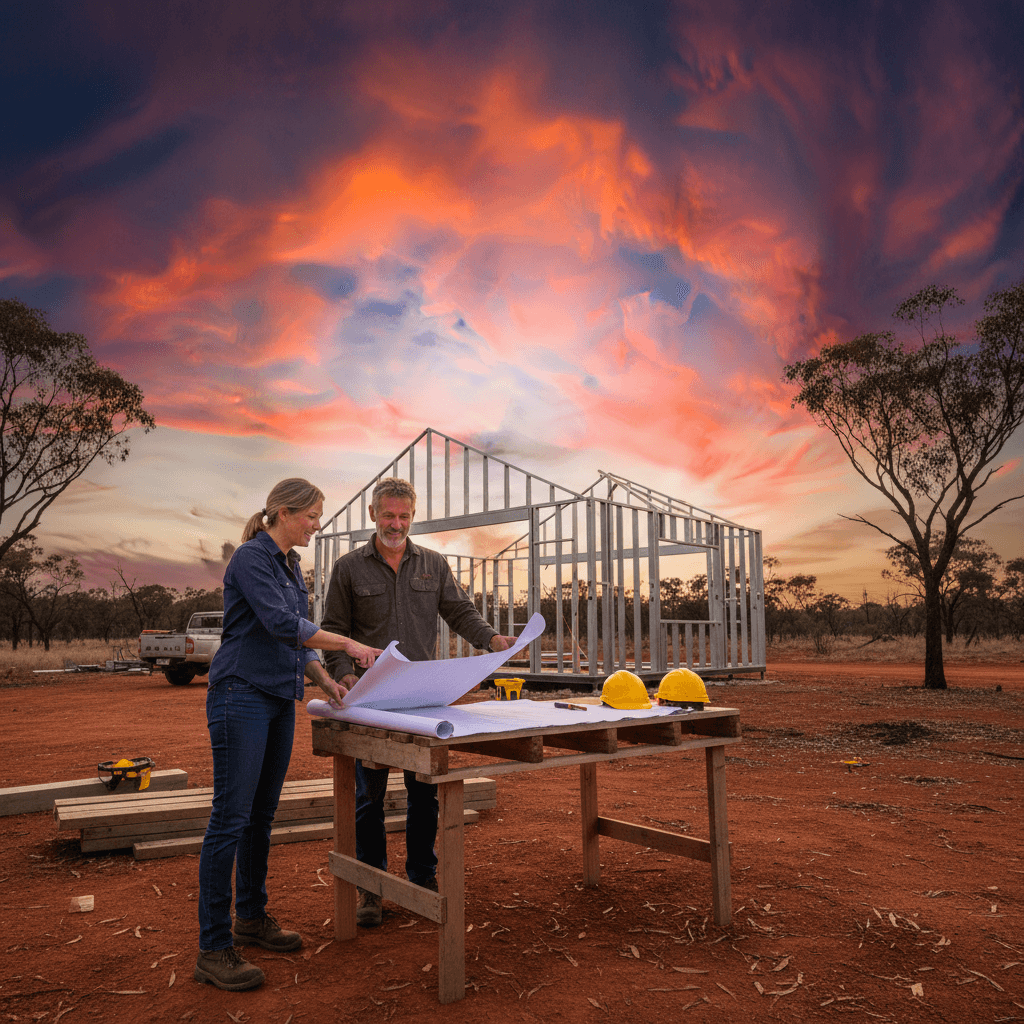
Many people moving to regional areas are looking for a project, a way to be truly 'hands on' with their new lifestyle. This is where the owner-builder path shines. By taking on the role of an owner-builder, you aren't necessarily swinging the hammer yourself for every single task, but you are the project manager. You have the total control over who works on your home and the quality of the finish.
For a tree-changer, being an owner-builder provides a deep sense of connection to the home. You learn where the pipes are laid, how the frame is bolted together, and exactly what goes into the walls. When you wake up on your first morning in the quiet of the country, knowing you steered the project from a flat pack of steel and timber to a completed home is incredibly rewarding.
Kit Home Tips: Getting the Site Ready
Before your kit arrives on the back of a truck, site preparation is your number one priority. In regional areas, this often involves more than just clearing a bit of grass. Here are a few practical tips for the regional owner-builder:
- Access is King: Make sure a large delivery truck can actually get to your building site. Overhanging branches and narrow gates are common hurdles in the country.
- Soil Testing: Regional soils vary wildly. Before you pour your slab, get a professional soil test to ensure your foundations are designed for your specific ground conditions.
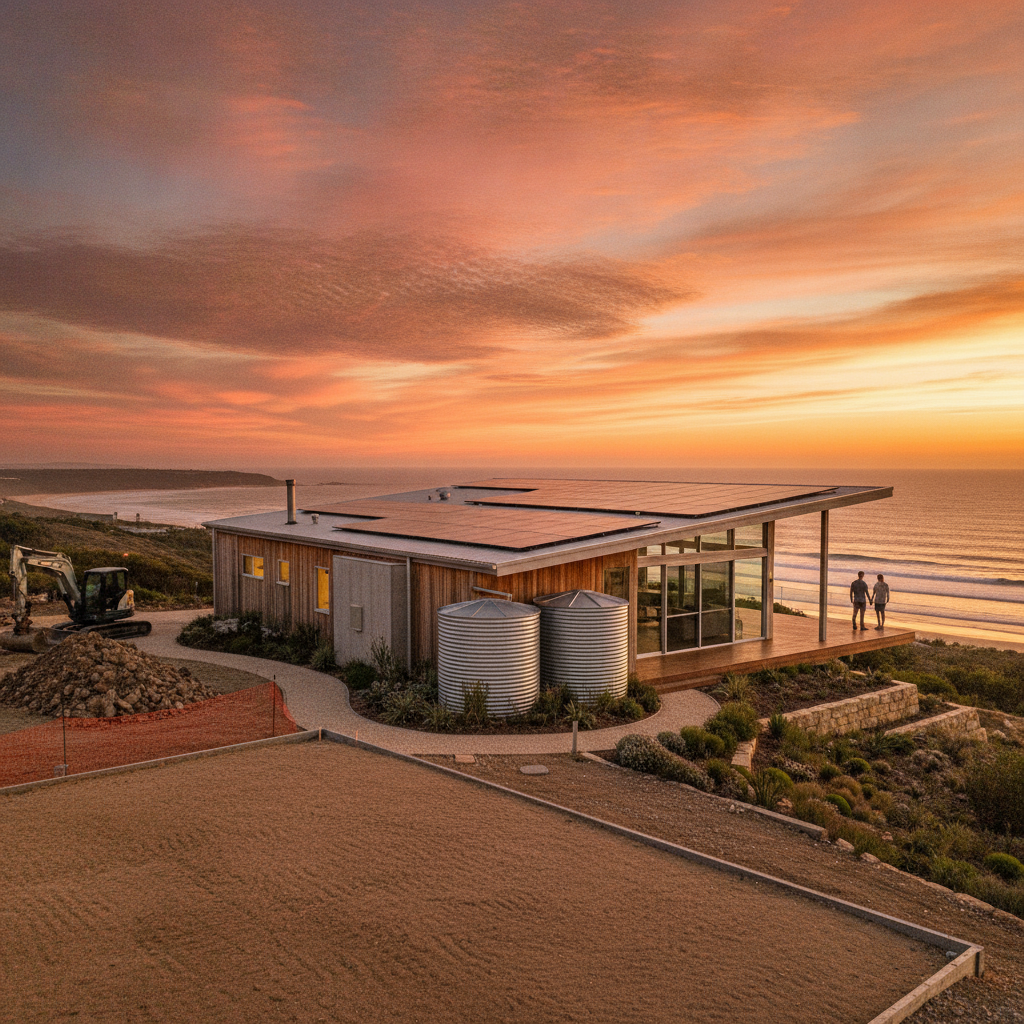
- Services and Off-grid Living: Many tree-change blocks won't have town water or sewage. You will need to plan for rainwater tanks and septic systems well in advance.
Design Trends: Modern Country Aesthetic
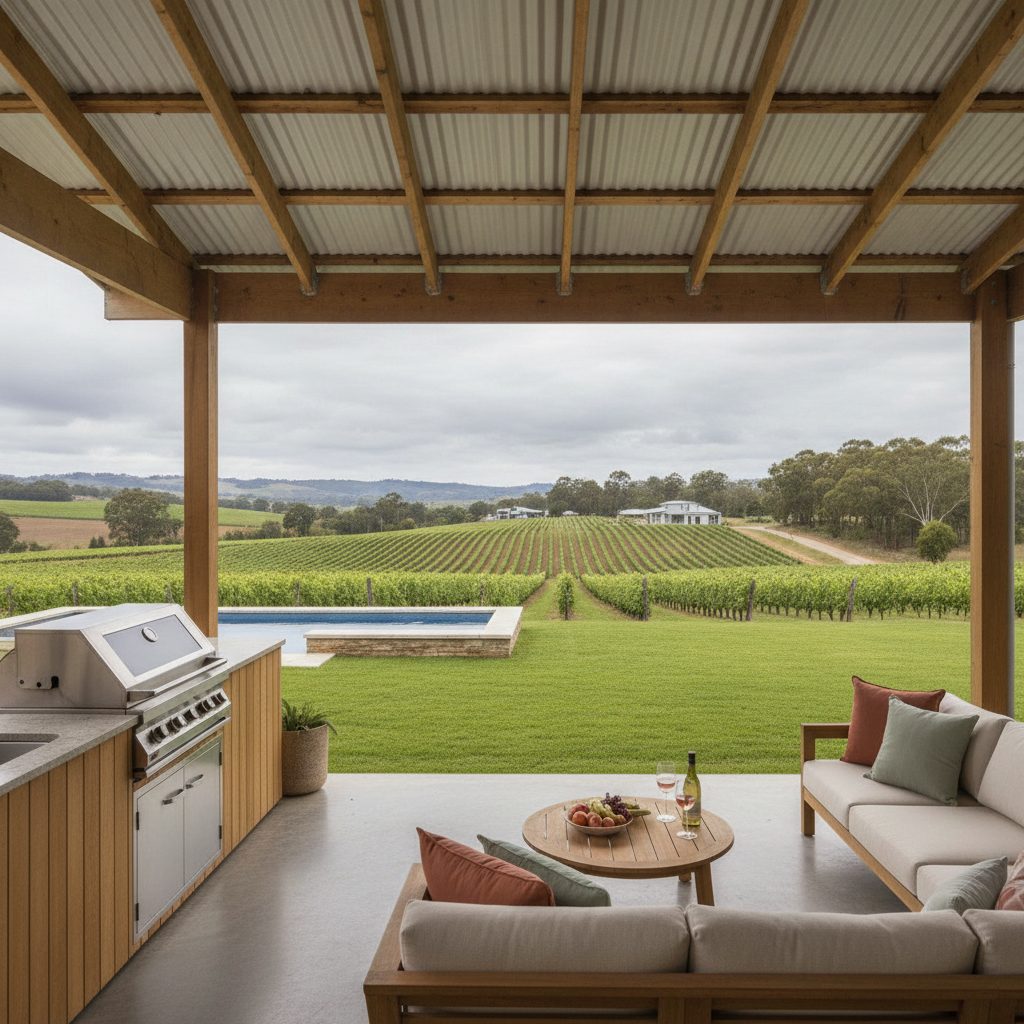
The kit homes of today are a far cry from the basic sheds of the past. Current Australian housing trends show a move toward 'Modern Country' or 'Industrial Farmhouse' styles. Think wide wrap around verandahs, high raked ceilings, and large windows that frame the landscape like a piece of art.
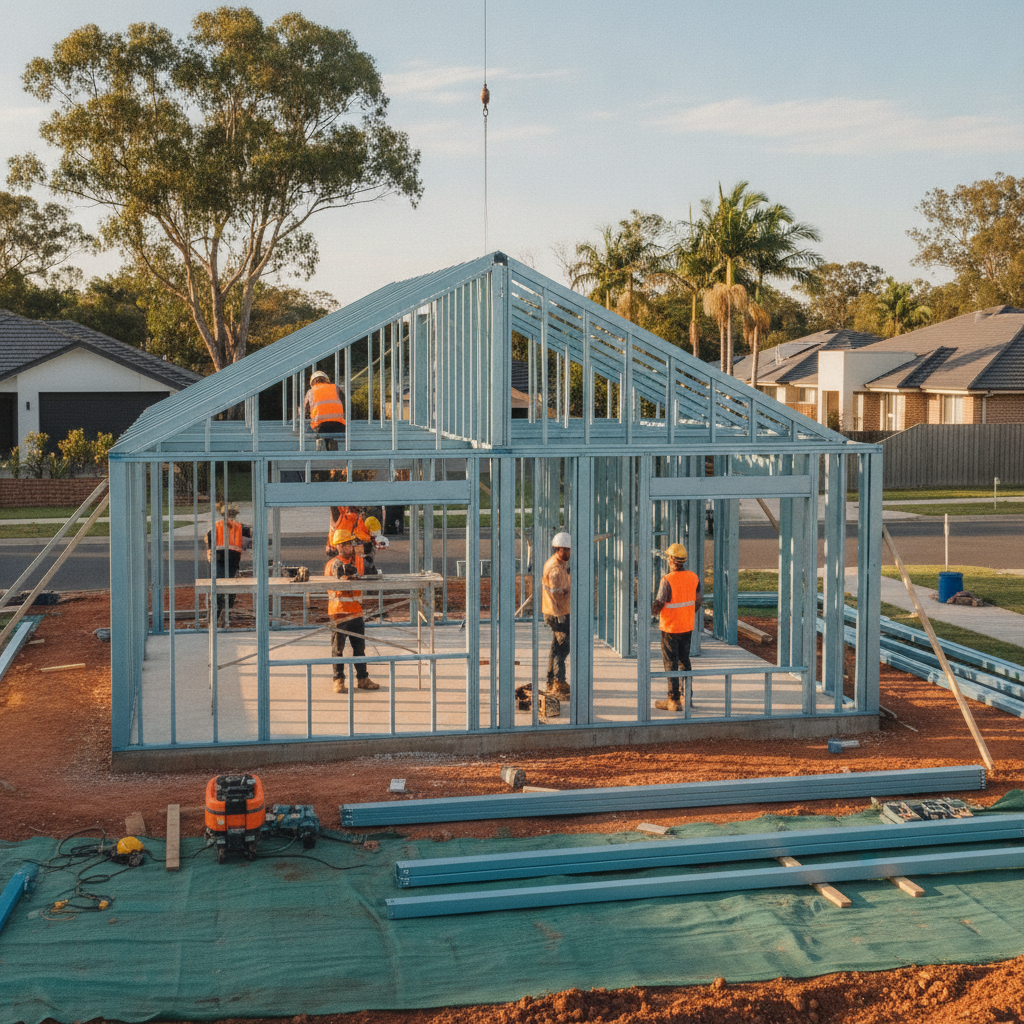
Using BlueScope TRUECORE steel for the framing allows for these expansive open plan designs. Because steel has a high strength to weight ratio, you can achieve larger spans without the need for bulky supporting columns. This means your living area can flow seamlessly onto an outdoor deck, perfect for those long summer evenings in the fresh country air.
External finishes are also following the trend of 'biophilic design', which is all about connecting the indoors with the outdoors. Using cladding in earthy tones, such as deep eucalyptus greens or outback reds, helps the home blend into the surrounding bushland rather than standing out as an eyesore.
Why Steel Frames are a Regional Essential
In many parts of regional Australia, two major threats loom over every homeowner: termites and bushfires. This is where the technical benefit of steel frames becomes a lifestyle benefit. Steel is 100 percent termite proof. In rural areas where timber-munching pests are a constant concern, having a frame made of TRUECORE steel provides a level of peace of mind that can't be understated.
Furthermore, steel is non-combustible. While no home is completely fireproof, using a steel frame as the backbone of your kit home is a smart, resilient choice for anyone building in a bushfire-prone area. When combined with appropriate bushfire-rated cladding and toughened glass, you are building a home that is better equipped to survive the harsh Australian climate.
Owner Builder Tips: Coordinating Your Trades
One of the most common questions new owner-builders ask is how to manage the workflow. When your kit arrives, it typically includes the 'shell', the frames, roofing, cladding, and windows. As the owner-builder, your job is to coordinate the local trades to turn that shell into a home.
- Book Early: Good tradespeople in regional towns are often booked out months in advance. Start talking to local plumbers and electricians as soon as you have your plans.
- Local Knowledge: Use local trades wherever possible. They know the local council requirements and the specific weather conditions of the area.
- Stay Organized: Keep a digital and physical folder for all your certificates, from the termite protection certificate to the electrical safety dockets. You will need these for your final occupation certificate.
Sustainable Living in the Country
The move to the country is often driven by a desire for a more sustainable life. Kit homes are inherently more efficient because they are pre-engineered to minimize waste. When a kit is delivered, the components are cut to precision, meaning there isn't a skip bin full of off-cuts at the end of the build.
Additionally, the structure of a kit home makes it easy to incorporate high quality insulation. By choosing the right R-value insulation for your ceiling and walls, you can keep your country home cool in the summer and snug in the winter, reducing your reliance on artificial heating and cooling. This is not just good for the environment, it makes for a much more comfortable living experience.
Conclusion: Your Future in the Great Outdoors
Moving to regional Australia is a bold and exciting step. It is a chance to reset, to find space, and to build a life that matches your values. By choosing a kit home, you are opting for a path that offers design flexibility, structural integrity, and the rewarding challenge of the owner-builder journey.
With a steel frame at its heart and the beauty of the Australian landscape as its backdrop, your new home will be more than just a place to live, it will be a testament to your vision for a better lifestyle. So, if you have been dreaming of that tree-change, perhaps it is time to stop looking at the maps and start looking at the floor plans. Your regional sanctuary is closer than you think.