I've spent fifteen years watching people pull their hair out over floor plans. Usually, it happens because they get seduced by a glossy brochure at 9 PM on a Sunday and forget that they actually have to build the thing. A kit home is a brilliant way to get a high-quality house without the ridiculous builder margins, but if you don't suss out the technical details before the steel arrives on the back of a Hiab, you're in for a world of hurt. You aren't just buying a house. You're buying a logistics puzzle.
Does this design actually fit my BAL rating?
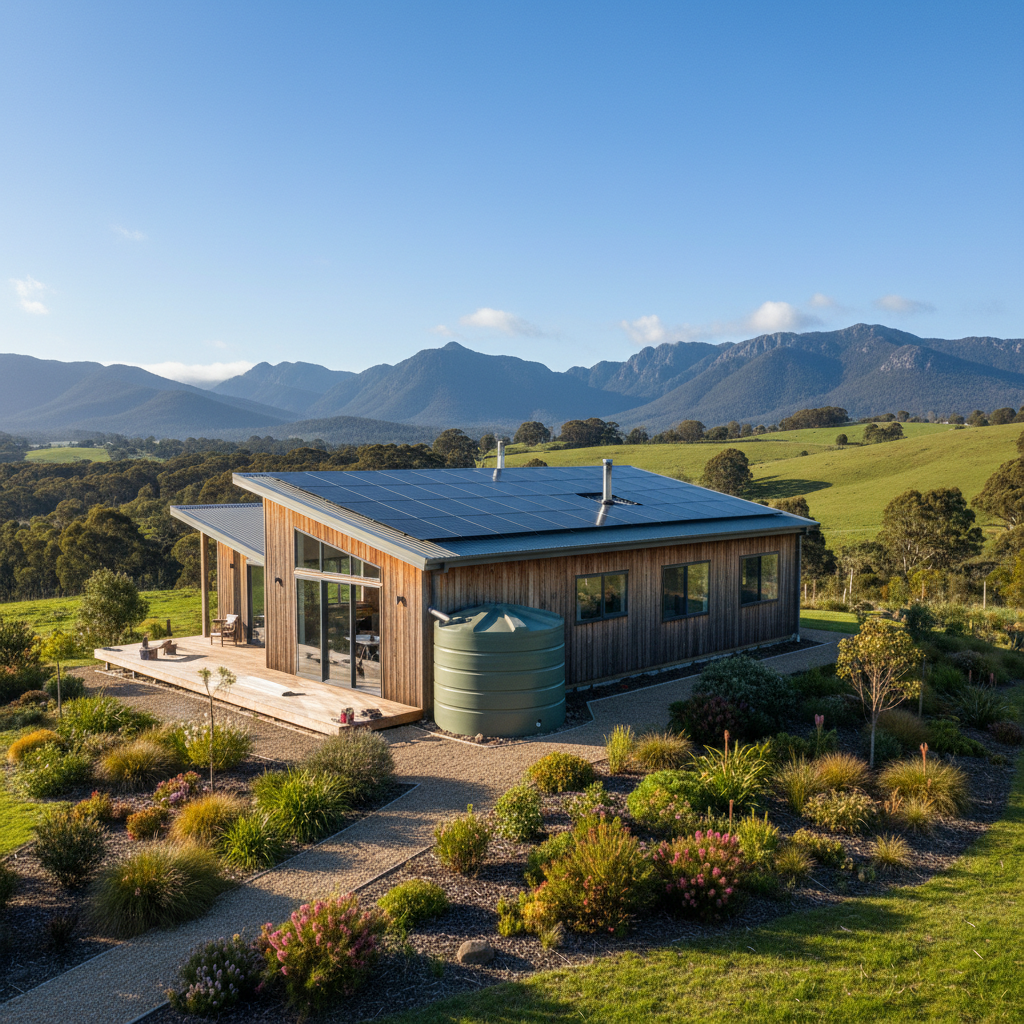
Bushfire Attack Level (BAL) ratings will dictate your life if you're building anywhere near scrub or bushland. If you're looking at a design with massive timber decks and wide open spans, but your block is rated BAL-29 or BAL-40, that design is going to change. Fast. You'll need to swap out timber for non-combustible materials. This is where steel frames really shine. Using something like BlueScope TRUECORE steel for your wall frames and roof trusses gives you a massive head start because steel doesn't burn. It's that simple. But you still need to ask the kit provider if the windows they've specced meet the toughened glass requirements for your specific zone. Don't assume the 'standard' package covers you for the high-risk stuff. It usually doesn't.
What is the maximum span of the roof trusses?
Open plan living is the Australian dream. Large, airy kitchens flowing into a lounge room where you can kick a footy around. But those big open spaces require serious engineering. Ask for the specifics on the roof spans. If you want a seven-meter wide room without any internal supporting walls, the steel trusses need to be beefy enough to handle that weight without sagging over time. This is where the quality of the engineering matters more than the paint color. Because we use BlueScope steel, we can get some pretty impressive spans, but every millimeter added to a span can change how the frame is manufactured. If you're an owner-builder doing the install yourself, keep in mind that a massive 12-meter truss is a pig to handle without a crane. Think about the logistics of the site before you go for the biggest span possible.
Is the floor system included or am I pouring a slab?
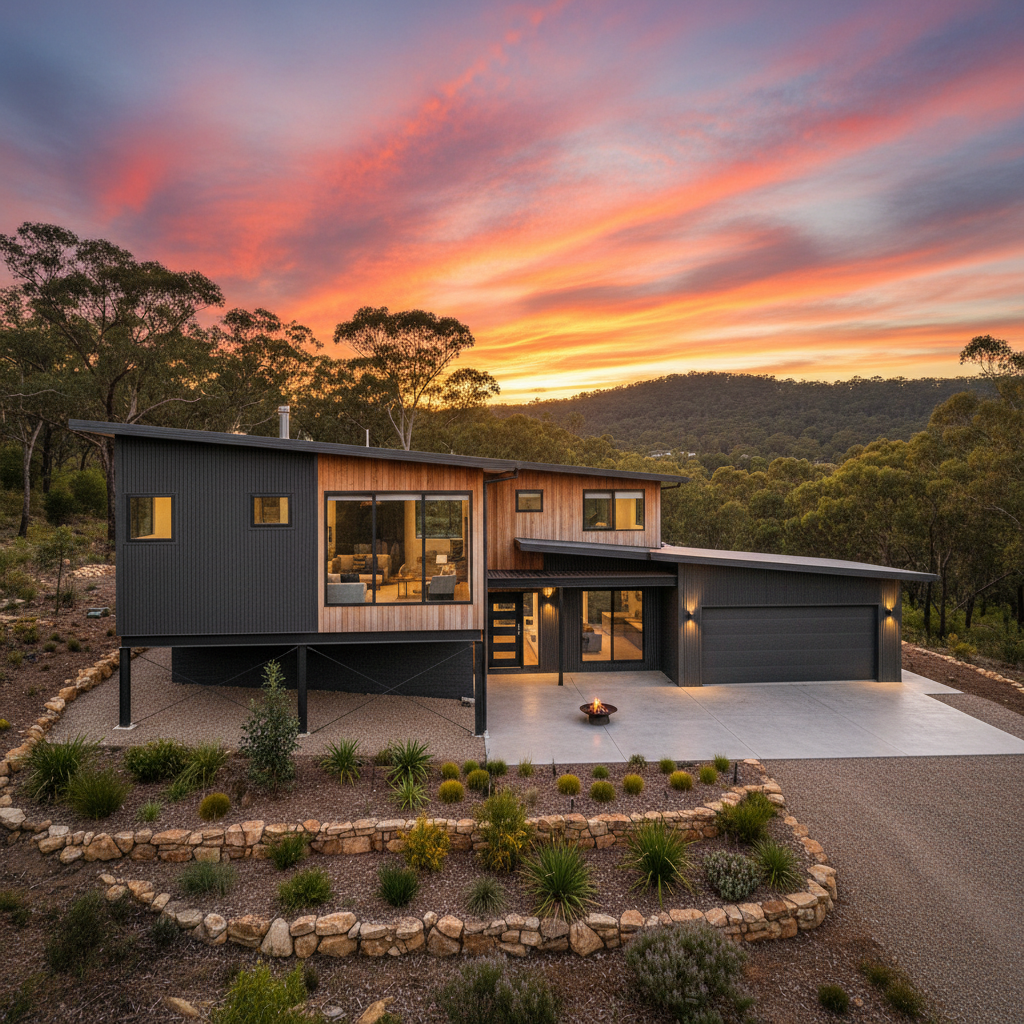
This catches so many people out. Some kits are designed specifically for a concrete slab on ground. Others come with a raised steel floor system. If your block has a bit of a slope to it, say more than a meter of fall across the building envelope, you probably want a raised floor. Ask the kit provider if their design can be modified for piers. Digging out a massive flat pad for a slab on a sloping block in places like the Adelaide Hills or the hinterland behind the Sunshine Coast is expensive. It involves retaining walls, drainage issues, and a lot of dirt being moved around. Often, it's cheaper to go with a steel sub-floor and just have your stumps engineered to suit the slope. Plus, it gives you under-floor access for plumbing later on, which is a godsend if you ever have a leak.
The Nitty Gritty of Point Loads
When you're looking at a floor plan, look for where the heavy stuff goes. Bathtubs. Kitchen islands with stone benches. These things create point loads. If you're on a raised steel floor, you need to know if the joists are doubled up under that heavy cast-iron tub you bought on sale at Bunnings. If you don't ask about point loads during the design phase, you'll end up with a bouncy floor or worse. Steel is incredibly strong, but it still follows the laws of physics. Tell your designer where the heavy stuff is going before they finalize the frame layout.
How much flexibility do I have with window placements?
Standard kits usually come with a set window schedule. But maybe you've got a killer view of the valley to the North-East and the standard plan only has a tiny peephole window there. Ask if you can shift things around. Because the frames are pre-manufactured in a factory, you can't just take a reciprocating saw to the steel studs once they arrive on site. That's a great way to compromise the structural integrity. You need to get those window openings right in the CAD software before the rolls of steel even hit the mill. Also, check the wind rating (N2, N3, or even C-class for the cyclonic North). A window that's fine in suburban Melbourne will rattle like a tin can in a gale up in Mackay if it isn't rated for the right pressure.
What exactly is in the 'Kit' and what is 'By Others'?
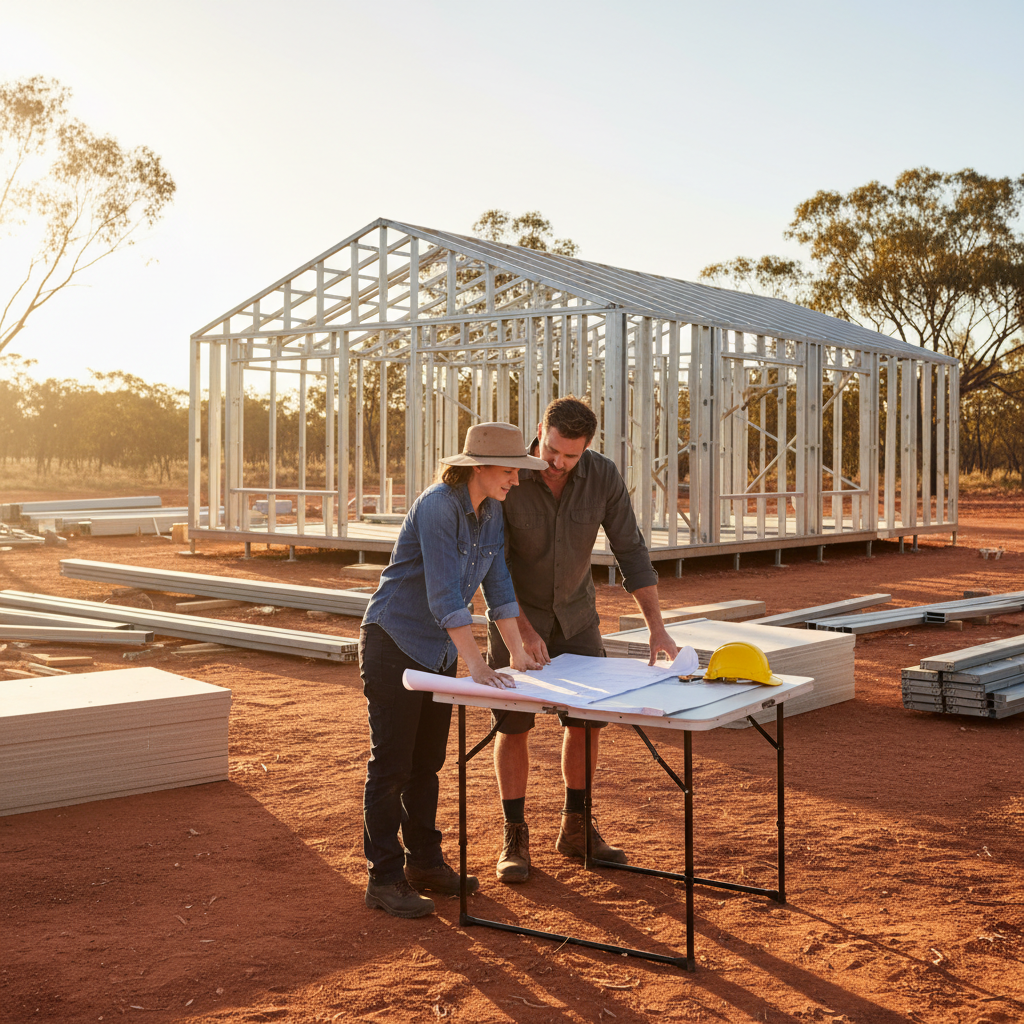
This is the big one. Most Australian kit homes include the TRUECORE steel frames, the Colorbond roofing, the cladding, and the external doors and windows. But they usually don't include the 'rough-in' stuff. You'll be sorting your own electrical cables, your own copper or PEX piping for the water, and your own gyprock. And definitely your own kitchen cabinets. Some people get a shock when they realize the kit doesn't include the tiles or the toilet. You're the project manager. That means you're the one calling the sparky and the plumber. Make sure you get a crystal clear checklist of what is arriving on the truck. If the insulation isn't included, you need to have those batts ready to go the second the roof is on and the windows are in, otherwise you're just standing in a very expensive tin shed.
Can the design be mirrored?
Sometimes the perfect plan is the wrong way around for your block. You want the garage on the south side to keep it cool, but the floor plan has it on the north. Most kit designers can mirror a plan with the click of a button, but you need to check if that messes with any of the engineering for the roof or the plumbing stacks. It's a simple question that can save you from a house that's dark and miserable because all your living areas are facing the wrong way. Solar orientation is everything in Australia. If you don't get the sun into your living room in July, you'll be running the heater 24/7, and that's just a waste of money.
What about the 'Over-Specified' areas?
Check if the design allows for extra noggins. If you know you want to hang a huge 75-inch TV on a swing arm in the lounge, tell the kit provider. They can add extra steel noggins into the frame design. Steel is different to timber; you can't just screw a heavy bracket into the thin flange of a stud and hope for the best. You want solid blocking there. Same goes for towel rails in the bathroom. It takes two minutes to add it to the digital design, but it's a massive pain to retro-fit once the wall is closed up. Be specific about your lifestyle. That's the real benefit of being an owner-builder. You get to customize the guts of the house, not just the paint on the walls.
Building a kit home isn't for the faint of heart, but it's arguably the most rewarding thing you'll ever do. Just don't get caught out by skipping the boring technical questions. Get your head around the spans, the BAL ratings, and the inclusions list before you commit. Once that steel starts arriving, the clock is ticking and you want to be ready to put it together like a pro.