Mastering the Elements: Why Solar Passive Design Matters
Building a kit home in Australia offers an incredible opportunity to create a space that is perfectly tuned to our unique climate. While many people focus on the aesthetic choices like paint colours or kitchen cabinetry, the most important decisions you will make happen long before the first steel frame is bolted into place. These decisions involve solar passive design, a set of building techniques that use the sun's energy and local breezes to maintain a comfortable indoor temperature without relying heavily on mechanical heating or cooling.
In Australia, where we experience everything from scorching summer heatwaves to biting winter frosts, solar passive design is not just a luxury; it is a fundamental part of smart building. By understanding how the sun moves across your specific block of land, you can design a home that is naturally bright, thermally efficient, and significantly cheaper to run over the long term. This guide explores how to integrate these principles into your kit home project from the ground up.
The Golden Rule: Orientation and the Northern Aspect
If you take only one piece of advice away from this article, let it be this: Pavilion orientation is the single most important factor in solar passive design. In the southern hemisphere, the sun spends the majority of its time in the northern part of the sky. This means your primary living areas, where you spend the most time, should ideally face north.
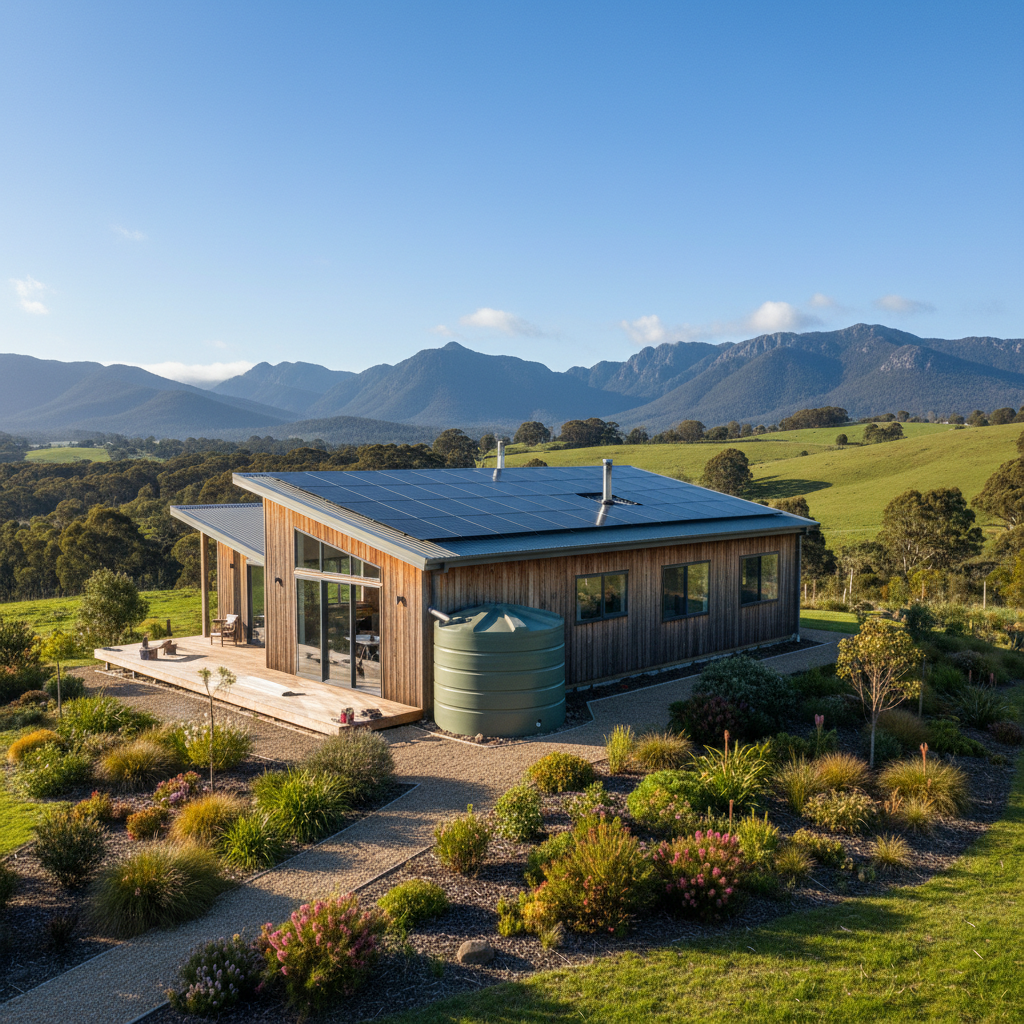
When you orient your kit home so that large windows and open plan areas face north, you allow the low angle winter sun to penetrate deep into the home, heating the floors and walls naturally. In summer, when the sun is much higher in the sky, well designed eaves or awnings will shade those same windows, keeping the heat out. If you orient your living areas to the west, you will be hit by the harsh afternoon sun in summer, making the home difficult to cool. Eastern orientations provide lovely morning light but little winter warmth, while south facing rooms tend to be dark and cool year round.
Building Techniques for Thermal Mass
Thermal mass refers to the ability of a material to absorb, store, and later release heat. In a solar passive kit home, high density materials like concrete slabs, brick internal walls, or stone features act as a thermal battery. During a sunny winter day, the sun shines through your north facing windows and heats up the concrete slab. As the air temperature drops at night, that stored heat is slowly released back into the room, keeping you warm.
For owner builders, the most common way to introduce thermal mass is through the foundation. A standard concrete slab is an excellent thermal heat sink. To make it effective, ensure that the slab in your northern living areas is not covered by thick carpets or rugs, which act as insulators and prevent the sun from reaching the thermal mass. Polished concrete or ceramic tiles are ideal finishes for maximizing this effect. In summer, this same mass helps keep the home cool by absorbing the heat from the internal air, provided the sun is kept off the slab by proper shading.
The Role of Progressive Steel Framing and Insulation
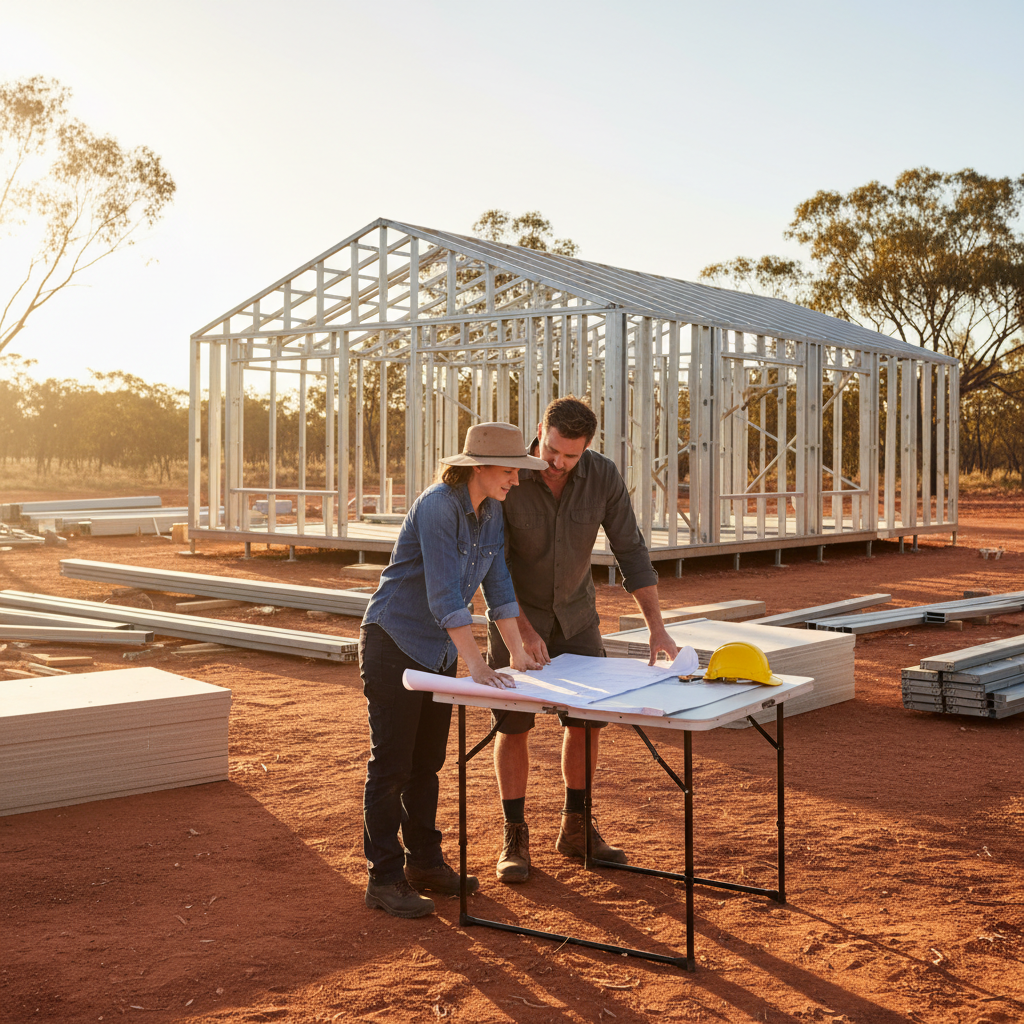
While thermal mass stores heat, insulation is what keeps it where you want it. In an Australian kit home context, using high quality steel frames provides a precision engineered structure that allows for consistent insulation layers. Because steel frames are straight and true, they don't warp or twist, ensuring there are no gaps in your wall cavities that could lead to thermal bridging.
When building your kit home, it is essential to use a high performance insulation system. This usually involves a combination of reflective foil laminate (to reflect radiant heat) and bulk insulation batts (to slow down conductive heat). Because steel is a conductor, using a thermal break between the steel frame and the external cladding is a legal requirement in many parts of Australia and a vital technical step to ensure your home remains thermally efficient. This prevents the outside heat from being conducted directly through the frame into your living space.
Harnessing Natural Ventilation
Cooling a home in the Australian summer is as much about air movement as it is about shade. Passive cooling relies on breezes to carry heat out of the house. When planning your kit home layout, consider the direction of the prevailing summer breezes in your area, such as the famous Fremantle Doctor in WA or the northeasterly breezes on the east coast.
To encourage natural ventilation, use the principle of cross ventilation. This involves placing window openings on opposite sides of a room to allow air to flow through. Using different types of windows can help direct this airflow; for example, louvre windows are excellent for controlling the volume and direction of air. Another effective technique is stack ventilation, which uses the fact that hot air rises. By placing high level windows or skylights that can be opened, you allow the rising hot air to escape, drawing cooler air in through lower windows.
Shading: Your Home's First Line of Defence
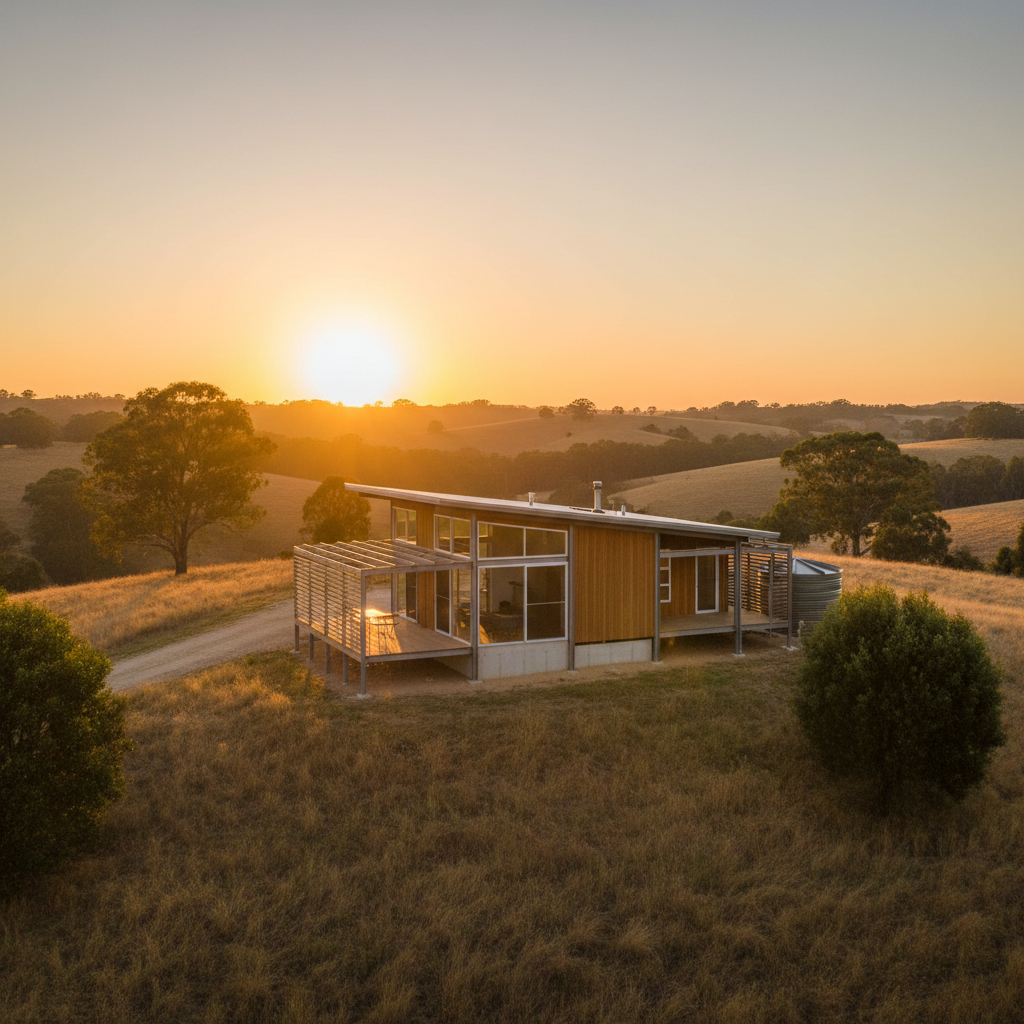
Proper shading is the key to preventing your kit home from turning into an oven during February. The beauty of the sun's path is that it is predictable. In Australia, the sun is high in summer and low in winter. This allows us to design eaves that are deep enough to block the high summer sun while letting the low winter sun pass underneath.
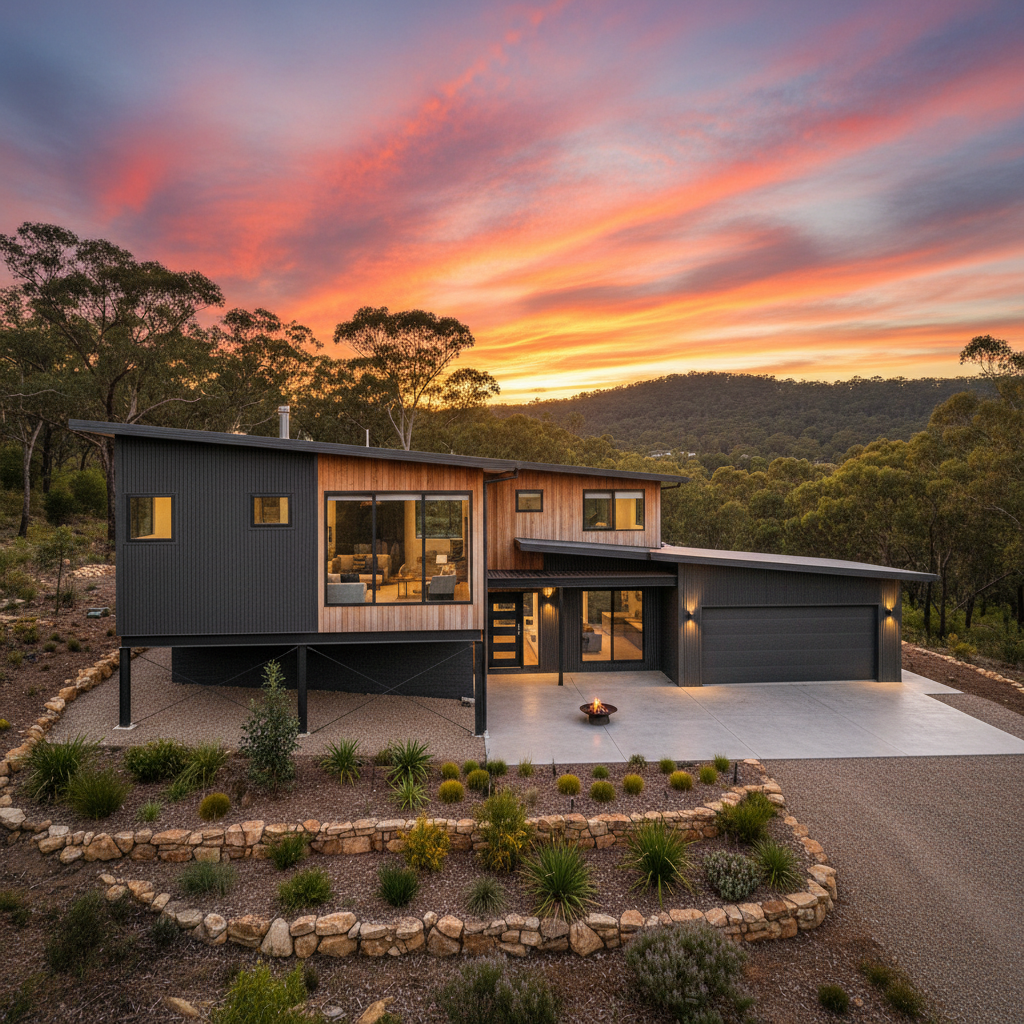
For north facing walls, a simple horizontal overhang or eave is often enough. For east and west facing walls, vertical shading is more effective because the sun is lower in the sky during the morning and afternoon. This might include external blinds, battened screens, or even strategic planting of deciduous trees. Deciduous trees are a fantastic natural shading tool; they provide thick green foliage in summer and drop their leaves in winter to let the light through. As an owner builder, planning your landscaping alongside your kit home construction is a smart move for long term comfort.
Practical Tips for Kit Home Owner Builders
- Check your site levels: Ensure your northern aspect is not blocked by neighbouring buildings or large evergreen trees that will steal your winter sun.
- Balance your glazing: While big windows are great for light, glass is a poor insulator. Aim for about 20 to 25 percent of your floor area as glazing on the northern side, and much less on the south, east, and west.
- Seal it up: Solar passive design works best when you can control the environment. Use high quality seals on doors and windows to prevent draughts that can bypass your insulation.
- Zoning: Design your kit home layout so you can close off rooms that aren't in use. This allows you to heat or cool only the areas you are using, improving the efficiency of your passive systems.
- Double glazing: If your budget allows, double glazing is one of the best upgrades you can make. It dramatically improves the thermal performance of your windows and reduces outside noise.
Conclusion
Building a kit home is a journey of choices, and prioritizing solar passive design is one that will pay dividends for decades. By focusing on orientation, managing thermal mass, ensuring robust insulation within your steel frames, and encouraging natural ventilation, you create a home that works with the Australian environment rather than against it. These building techniques don't just result in a more sustainable house; they create a more comfortable, light filled, and joyful place to live. As you plan your project, remember that the sun is your greatest free resource, make sure you invite it in at the right time and keep it out when it's not welcome.