Stop looking at the floor plan and start looking at how you brew your coffee
Most blokes and ladies getting into the owner builder game spend months staring at 2D drawings on a screen. You know the drill. It's late on a Tuesday, your eyes are stinging, and you're trying to figure out if the master bedroom is big enough for that king-size bed you bought on sale. But here is the thing. A floor plan is just a suggestion. It is a starting point. If you want a kit home that doesn't feel like a cookie-cutter box dropped into a paddock in Goulburn or a suburban block in Ipswich, you have to get your hands dirty with the design early on.
I have spent 15 years watching people build these things. The most successful projects are the ones where the owner actually sat down and thought about where they drop their keys, where the dog sleeps, and how the western sun is going to bake the living room at 4pm in February. You aren't just buying a pile of frames and cladding. You're building a machine for living. If the machine is clunky, you'll be annoyed every single morning.
The steel frame advantage for open plan living
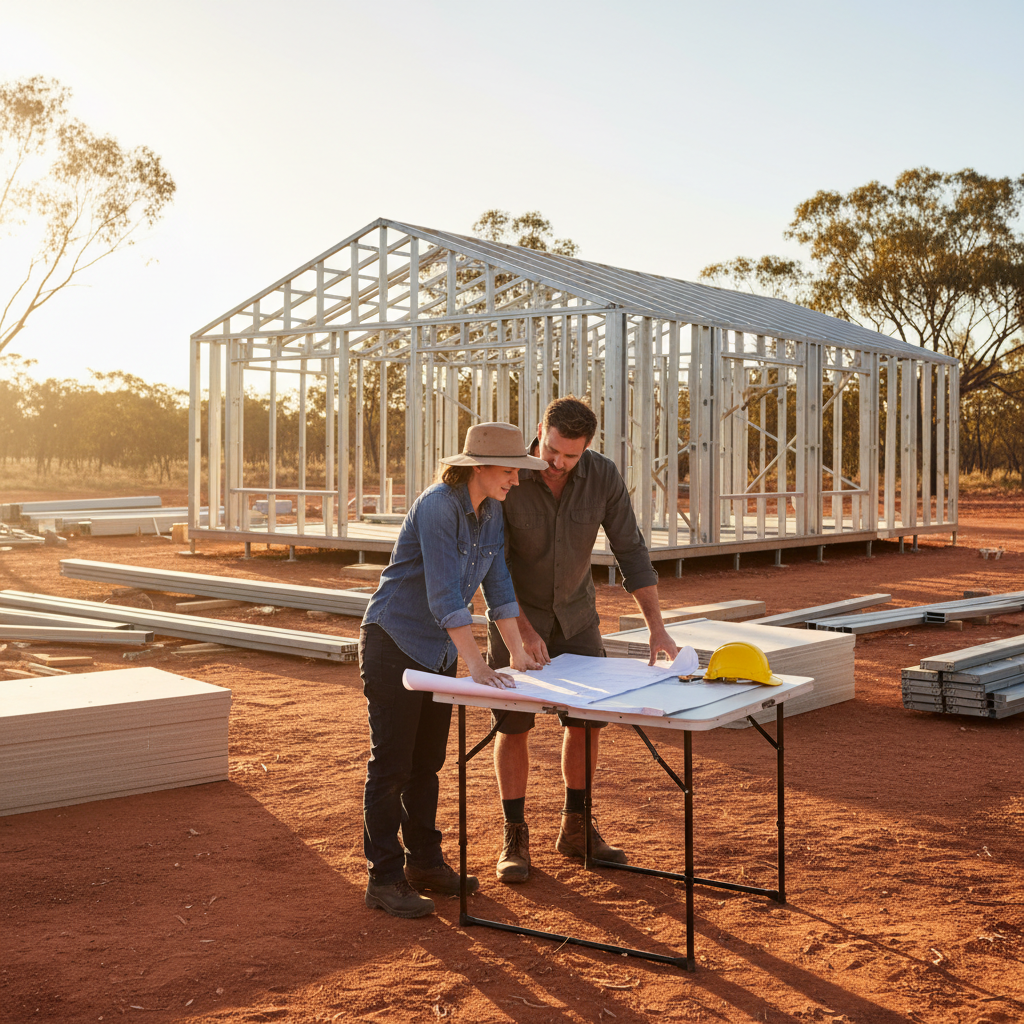
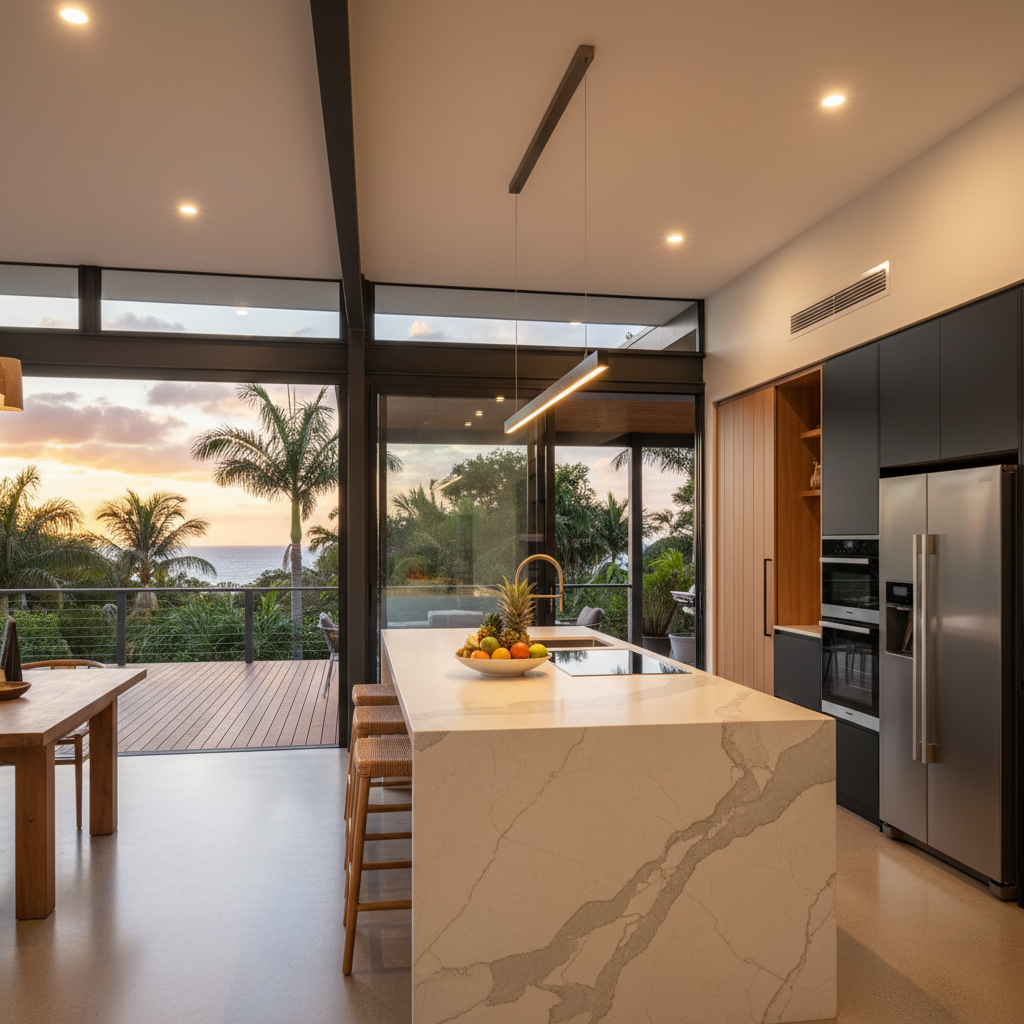
We use BlueScope TRUECORE steel for a reason. It is not just about the termites, though in places like Queensland or the Top End, that is a massive win. The real kicker for design is the strength-to-weight ratio. Steel allows for wider spans without needing a forest of internal load-bearing walls. This is where you can get creative. If you want a massive, five-metre wide opening between your kitchen and your deck, steel makes that happen a lot easier than timber.
But don't just go big because you can. Think about the zones. In a kit home, you've got your structural frames delivered as a set package, but what you do inside those walls is often up to you. I always tell people to look at the 'wet areas' first. Keep your plumbing close together to save on trades, but feel free to push the living room out. If you're building a bush block, maybe you want those high ceilings to let the heat rise. Steel frames stay straight as a die, so you won't be chasing warped studs when it comes time to screw in your plasterboard. That is a trade-off that pays dividends when you're doing the fit-out yourself.
Zoning for the actual human beings in your house
Kids are loud. This is a fact of life. If you design a kit home where the kids' bedrooms share a wall with the main living area, you will regret it by week two. One of the best tweaks you can make to a standard kit design is what I call the 'buffer zone'. Use a hallway, a bathroom, or even a walk-in robe to separate the sleeping quarters from the noisy parts of the house.
Think about these specific scenarios:
- The Mudroom Muddle: If you are on an acreage, do not let people walk straight into your nice lounge room with muddy boots. Flip the laundry layout. Make it an entry point. Add a bench and some hooks. It is a simple change to the internal layout that saves your floors for a decade.
- The Work-From-Home Reality: Most of us need a desk now. Don't just tick 'bedroom 4' and hope for the best. Is it near the NBN entry point? Is there a window that won't give you screen glare at 10 in the morning?
- The Outdoor Connection: In Australia, our 'living room' is often the verandah. Make sure your kit windows and doors are positioned to catch the breeze. If you're in a high wind area, check your kit's engineering matches your wind rating (like N3 or C2).
Thermal performance and your site
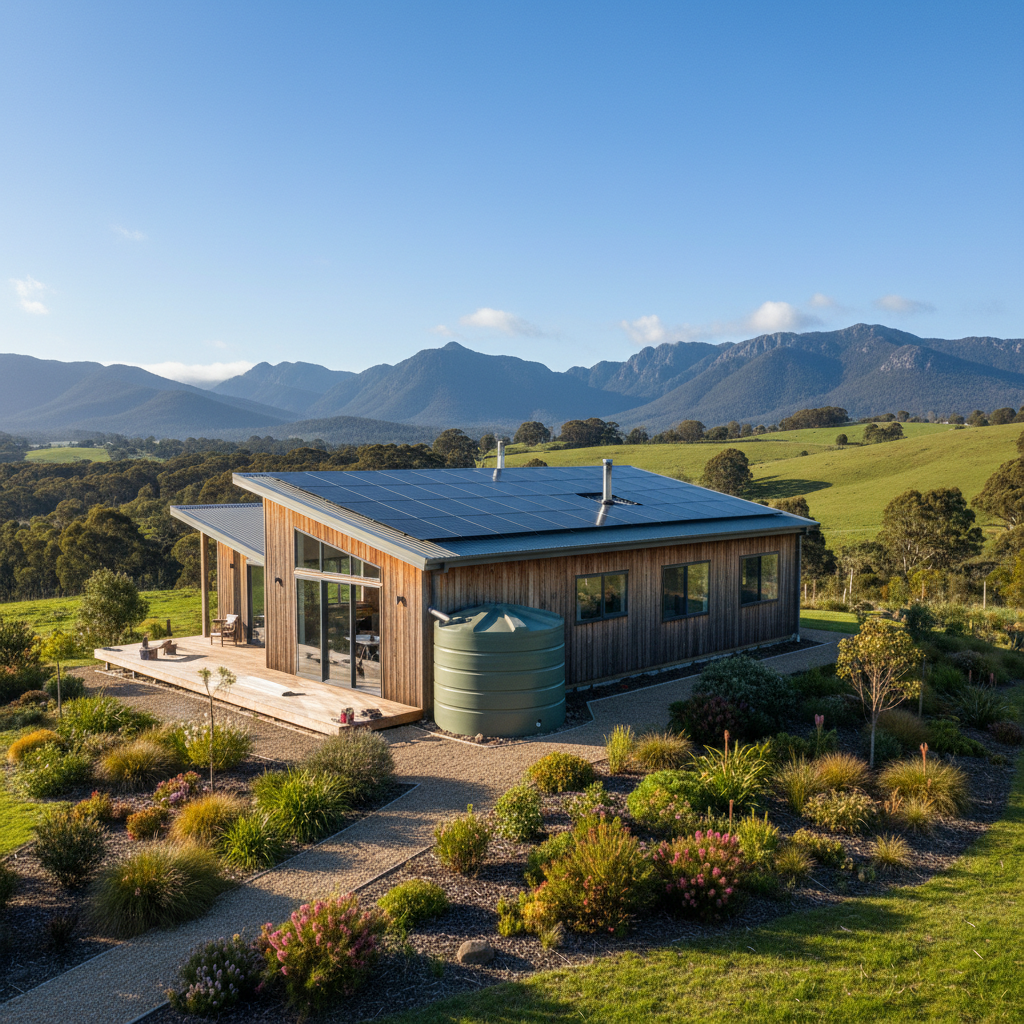
You can have the fanciest kit in the world, but if you face the big glass bifold doors toward the west in a Perth summer, you've built an oven. Not a home. An oven. You need to suss out your orientation before you even pour the slab. Because our kits come with the frames and the roofing, you've got the bones of a very efficient building, but you've gotta use them right.
I reckon you should always aim for a north-facing living area. This lets the low winter sun creep in and warm up your floor, while a decent eave or a bit of Colorbond roofing over a verandah keeps the high summer sun off the glass. We include insulation in the kits, but think about upgraded glass if you're in a cold spot like the Blue Mountains. Proper glazing and well-placed windows make more difference to your daily comfort than marble benchtops ever will.
The owner builder reality check
Look, being an owner builder is a massive undertaking. You're the project manager. You're the one dealing with council, the plumber, the sparky, and the guy delivering the slab. When you're looking at kit designs, keep the 'complexity' factor in mind. A simple rectangular footprint is much easier to get right than a house with fifteen corners and a complicated roofline.
Every corner you add is more flashing, more cutting, and more potential for a leak if you're not a pro. Stick to a smart, simple layout and put your effort into the finishes. Use that TRUECORE steel frame as your solid base. It won't shrink, it won't twist, and it's dead square. This makes your life ten times easier when you go to install your kitchen cabinets. There's nothing worse than trying to shim a cabinet against a wonky timber stud that's bowed in the sun.
Customizing without breaking the plan
People ask me all the time, "Can I move this wall?" The answer is usually yes, but do it before the steel is cut at the factory. Once those frames arrive on the back of the truck, you're pretty much locked in. That is why the planning phase is so vital.
Sit down with a pencil. Draw your furniture to scale on the floor plan. Does the sofa block the path to the sliding door? Is there enough room to walk around the dining table when people are sitting in the chairs? If the answer is no, move the wall 300mm now. It costs you nothing on paper, but it'll cost you a fortune to change once the slab is down.
Also, think about your storage. Most kit homes could do with more. Use the ceiling space if your design allows for it, or widen the garage by a metre if the block has the room. That extra metre of concrete is cheap compared to the utility of having a proper workbench or a place for the surfboards.
Don't forget the services
When you're customizing your design, think about the trades who come in after the frames are up. Steel frames come with pre-punched holes for your electrical and plumbing. It's a dream for the sparkies. But if you decide to move your kitchen from one side of the house to the other at the last minute, you're going to be jack-hammering the slab. Not fun.
Get your electrical plan sorted while you're still looking at the kit options. Put power points where you actually need them. Next to the bed. In the kitchen island. Near the front door for a vacuum. It sounds boring, but this is the stuff that makes a house a home.
Final thoughts for the road
Building a kit home is probably the biggest DIY project you'll ever take on. It's a ripper way to get into the market and end up with a high-quality, steel-framed house that’ll outlast you. Just don't rush the design side. Take your time, walk the site at different times of the day, and make sure that layout actually works for how you live. Whether you're a young family or looking to downsize on a coastal block, the house needs to serve you. Not the other way around. Get the bones right, trust the steel, and the rest will fall into place.