The Beauty of the Blank Canvas
There is a common misconception that choosing a kit home means settling for a cookie-cutter box that looks exactly like your neighbor's place. In reality, the modern Australian kit home is more of a sophisticated starting point than a finished product. For the Australian owner-builder, the true joy of this building method lies in the ability to take a proven, engineered structure and bake your own personality, lifestyle, and regional needs right into the design.
Whether you are building a coastal retreat in New South Wales, a suburban family home in Victoria, or a rural getaway in Queensland, your home needs to function for how you actually live. This guide will walk you through the practicalities of customizing your kit home, ensuring that the final result feels less like a kit and more like a bespoke architectural expression of your life.
Understanding the Framework for Flexibility
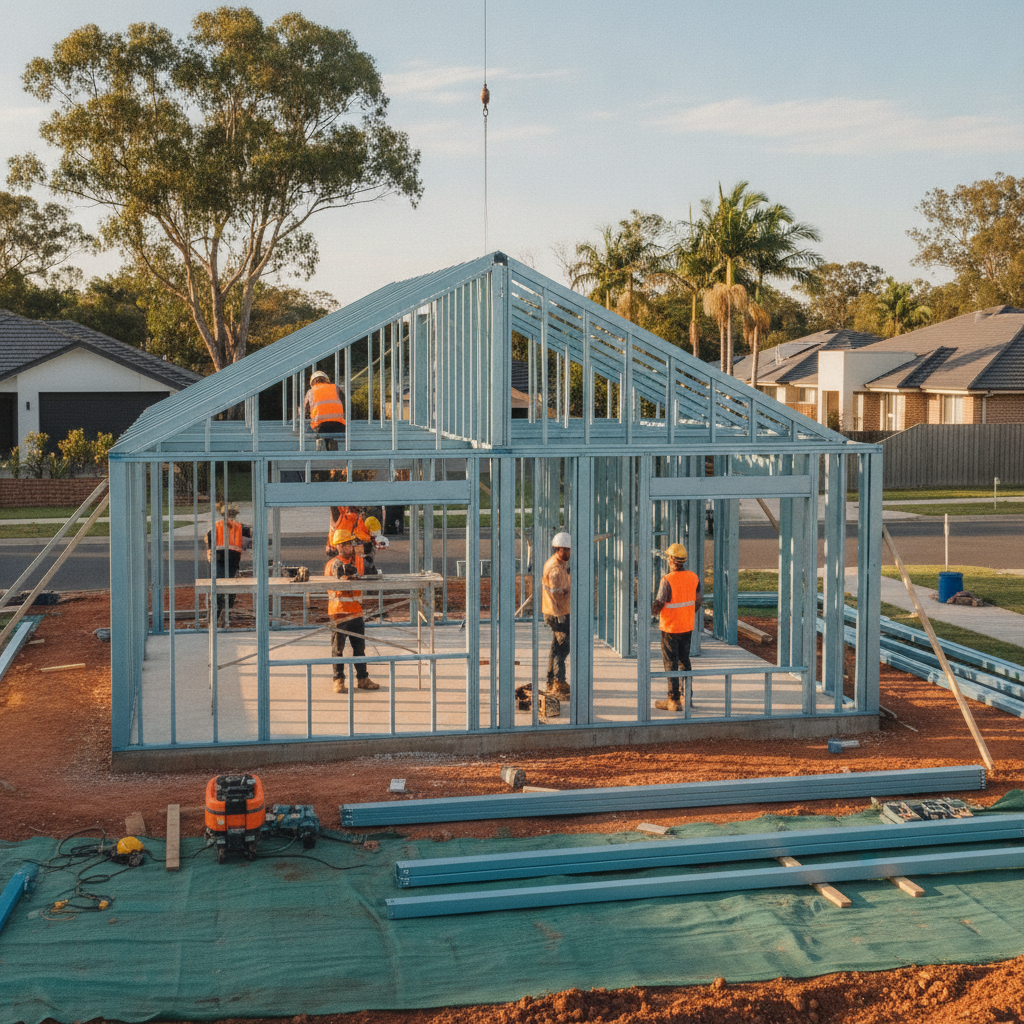
Before you start moving walls on a floor plan, it is helpful to understand what makes a kit home so versatile. Most high quality kits in Australia utilize steel frames made from TRUECORE steel. Because steel has such a high strength to weight ratio, it allows for longer spans and open plan layouts that would be far more complex with traditional timber framing. This engineering gives you a robust skeleton that you can then dress in almost any way you choose.
The customization process usually happens in two stages: structural modifications and aesthetic choices. While the core kit includes the frames, roofing, cladding, windows, and doors, how you arrange and finish these elements is where the magic happens.
Designing for the Australian Climate
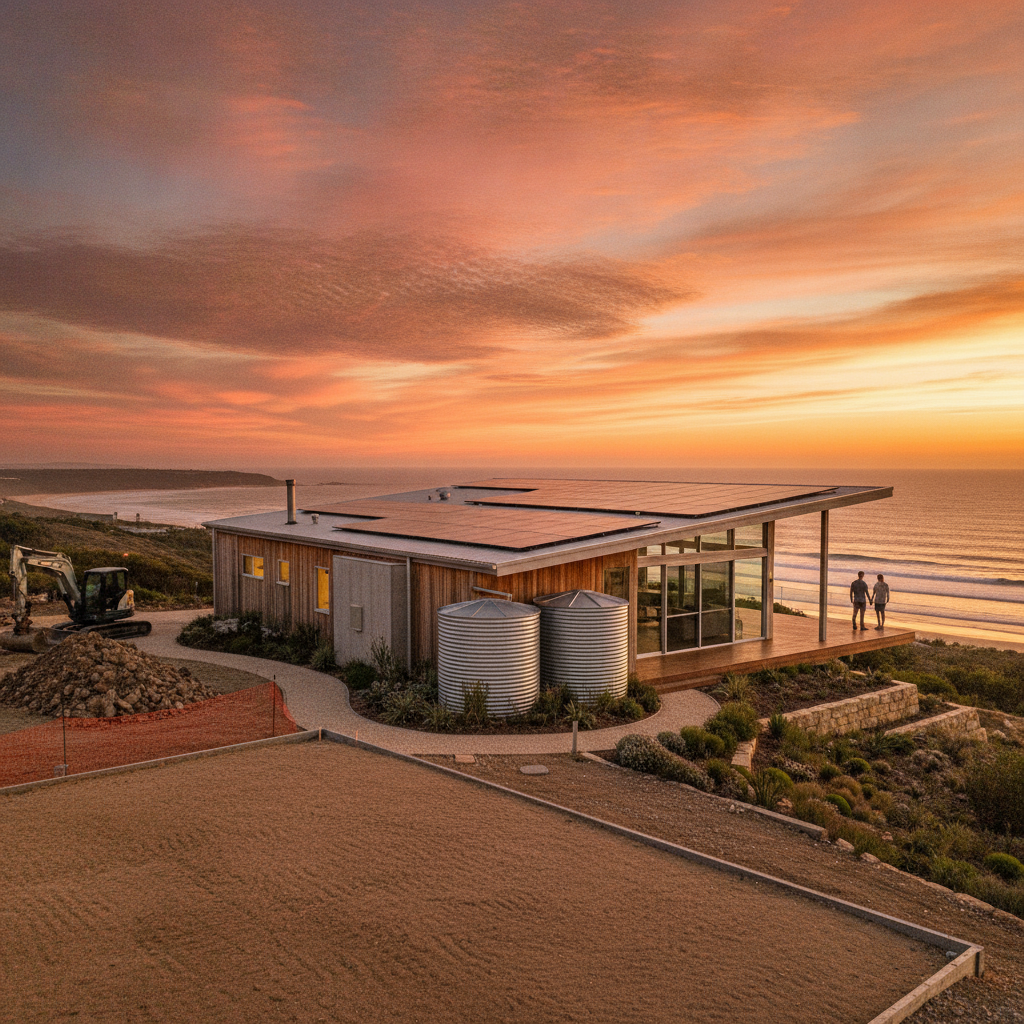
Australia is a land of extremes, and a home in Hobart requires a very different design strategy than one in Broome. One of the first steps in customizing your kit home should be looking at your block and your local weather patterns.
Orientation and Solar Passive Design
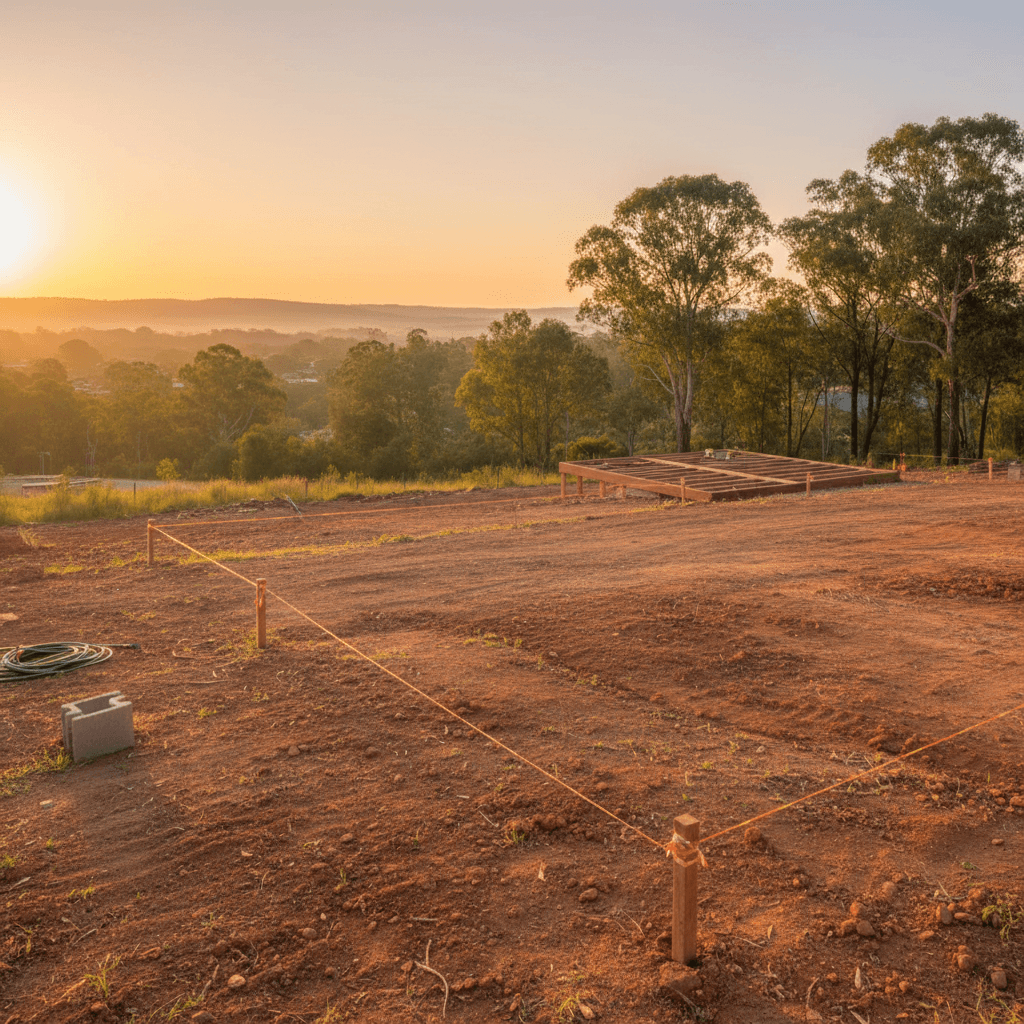
You can often flip or mirror a kit home floor plan to suit your block's orientation. In the southern hemisphere, you want your main living areas and large windows facing north. This allows the low winter sun to penetrate and warm the home, while the high summer sun can be blocked by clever eaves or pergolas. When choosing your kit, look at how the layout interacts with the path of the sun. Even a simple change, like moving a window to a different wall, can significantly impact your home's energy efficiency and comfort.
Ventilation and Breezeways
If you are building in a warmer climate, consider how you can encourage cross-flow ventilation. This might involve upgrading standard windows to louvres or positioning doors to create a direct path for the afternoon breeze. A kit home with an open plan central area is perfect for this, as it allows air to move freely throughout the house rather than getting trapped in small, walled-off rooms.
The Great Australian Indoor-Outdoor Flow
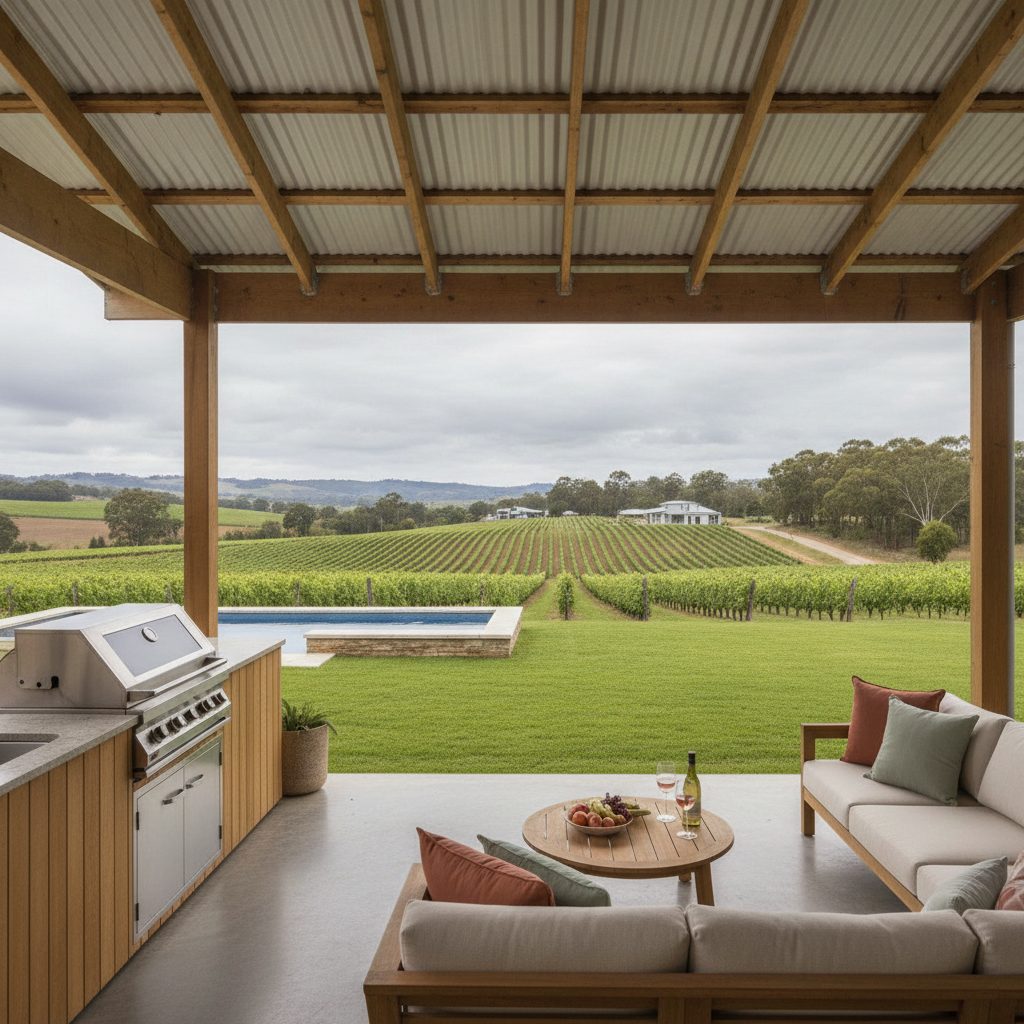
We spend a huge portion of our lives outdoors, so your kit home design should reflect that. A standard kit might include a set of sliding doors, but many owner-builders choose to upgrade these to large stacker doors or bi-fold systems during the planning phase. This creates a seamless transition to a deck or veranda.
Think about the outdoor space as an extension of your living room. When customizing your cladding and roofing, you can extend the roofline to create a permanent alfresco area. Using consistent flooring materials between the inside and the outside can also trick the eye into thinking the space is much larger than it actually is. Since your kit provider supplies the roof and frames, integrating these extensions at the design stage ensures the entire structure is engineered correctly from the start.
Tailoring the Interior Layout to Your Lifestyle
How do you use your home on a daily basis? This is the most important question to ask during the customization phase. Here are some common ways Australian families tweak their kit designs:
- The Work From Home Pivot: Many standard three-bedroom designs can be modified to include a dedicated home office or a quiet nursery. If you do not need a third bedroom, you might choose to remove a non-load-bearing internal wall to create a larger creative studio.
- The Gourmet Hub: If you love entertaining, the kitchen is where you should focus your attention. While the kit provides the space, you can customize the layout to include a butler's pantry or an oversized island bench. Because you are managing the fit-out as an owner-builder, you have total control over the cabinetry and appliances.
- Zoned Living: For families with teenagers or those who frequently host guests, creating "zones" is essential. You might choose to position the master suite at one end of the home and the secondary bedrooms at the other, separated by a central communal living zone.
Choosing Your Exterior Identity
The cladding you choose will define the look of your home more than almost any other element. Kit homes are incredibly versatile here. You might choose a classic horizontal weatherboard look for a coastal cottage feel, or a sleek vertical profile for a more contemporary, industrial aesthetic. Many owner-builders mix and match materials, using a feature cladding on the entry wall to add visual interest.
Don't forget the color palette. Working with a steel roof means you have access to a wide range of modern colors that are designed to withstand the Australian sun. Choosing a lighter roof color can help keep the home cooler in summer, while darker tones can look striking in a bush or urban setting.
Practical Tips for the Customization Process
When you are ready to start customizing, keep these practical tips in mind to ensure a smooth build:
- Consult the Pros Early: If you want to move windows or doors, talk to your kit provider during the quoting stage. It is much easier and cheaper to change the engineering on paper than it is to make changes once the steel frames have been manufactured.
- Keep Plumbing Together: To keep your construction simplified, try to keep wet areas like bathrooms, the kitchen, and the laundry close to each other. This reduces the amount of plumbing work required under the slab or through the walls.
- Think About Storage: One thing many people forget in the design phase is storage. Look for opportunities to add built-in robes or a walk-in linen cupboard. These small additions don't change the frame much but make a massive difference to livability.
- Focus on Lighting: During the design, think about where you want your task lighting and where you want ambient light. While the kit provides the shell, your electrical plan is your chance to create a specific mood.
The Owner-Builder Advantage
The beauty of the kit home model is that it puts you, the homeowner, in the driver's seat. Because you are responsible for arranging the site works, the trades, and the final fit-out, you aren't locked into a builder's limited range of taps, tiles, or flooring. You can source reclaimed timber for your island bench, find vintage light fittings, or install that specific Japanese soaking tub you've always wanted.
By starting with a high quality, steel-framed kit, you have the peace of mind that the structural integrity of your home is world-class. This allows you to focus your energy on the creative side of the build, turning a house plan into a home that truly reflects your lifestyle.
Conclusion
Customizing a kit home is all about balance. It is about taking a smart, efficient building system and layering it with your unique requirements. By focusing on orientation, indoor-outdoor flow, and a layout that matches your daily habits, you can create a stunning home that rivals any custom architect-designed property. Remember, the kit is the foundation, but your vision is what makes it a home. Take the time to plan, don't be afraid to ask questions, and enjoy the process of building a space that is uniquely yours.