Taking the Lead: Communication for the Australian Owner Builder
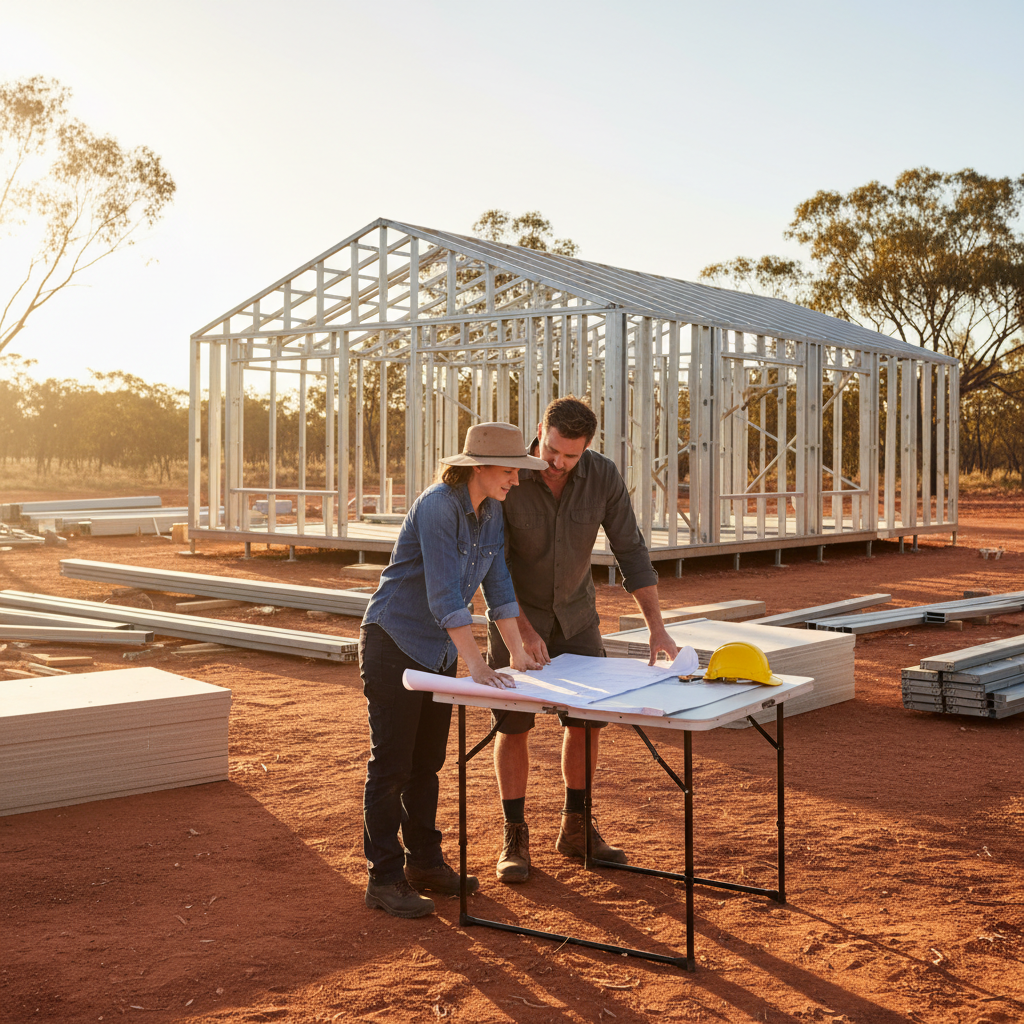
Stepping onto a building site as an owner builder is an empowering moment. You have the plans in your hand, your steel kit home components are ready for delivery, and the vision for your future home is finally becoming a reality. However, for many first-timers, the most daunting part of the process isn't the physical labor or the technical drawings, it is managing the people.
In the Australian building industry, clear communication is the difference between a smooth project and a stressful one. As an owner builder, you are the project manager. This means you are the bridge between your kit supplier, your council, and the various tradespeople who will help you assemble and finish your home. When you are working with high quality steel frames, precision is key, and ensuring everyone is on the same page from day one is essential to getting the best out of your materials.
The Language of the Site: Talking to Trades
One of the first things you will notice when chatting with electricians, plumbers, or concreters is that they value clarity and brevity. They are often managing multiple jobs and appreciate an owner builder who knows exactly what they want. To communicate effectively, you need to speak their language, at least to a basic degree.
Be Specific, Not Vague
Instead of saying, I want the lights over there, refer to your electrical plan. Say, I need three LED downlights spaced 1200mm apart, centered on the kitchen island. Providing exact measurements and referencing your drawings gives trades the confidence that they won't have to redo work later. Since your kit home comes with precise engineering drawings for the steel frames, use these as your primary reference point during site walkthroughs.
Ask, Don't Assume
If you are unsure about a technical aspect, ask the tradesperson for their professional opinion. Australian trades are highly skilled, and a quick question like, Based on this steel frame layout, where do you recommend we run the main stacks? can save you hours of headaches. This professional respect builds rapport and ensures they feel invested in the quality of your build.
Coordinating with Suppliers: The Logistics of Steel
Managing the arrival of your kit is a major milestone. Because your home uses BlueScope TRUECORE steel, you are working with a material that is dimensionally accurate. This is a massive advantage, but it requires diligent coordination with your supplier to ensure the site is ready when the truck arrives.
The Pre-Delivery Checklist
Before your frames, cladding, or roofing arrive, touch base with your supplier to confirm the delivery sequence. Ask about the size of the truck and whether there are any site access requirements. For a kit home builder, organizing where materials are dropped is vital. You want your floor joists or wall frames positioned so they are easy to lift into place, rather than buried under a pile of roofing iron.
Verify Deliveries Immediately
When the delivery arrives, take the time to check the packing slip against the items on the ground. If something is missing or damaged, report it to the supplier straight away with photos. In the world of kit homes, momentum is everything. Checking your inventory early means you won't be held up three weeks later when you realize you are short on a specific bracket or screw.
The Steel Advantage: Communication through Precision
Using steel frames provides a unique advantage when talking to follow-on trades like plasterers and cabinet makers. Unlike traditional timber, which can warp, twist, or shrink, steel stays perfectly straight and true. This is a great talking point when you are briefing your trades.
Tell your plasterer early on that the home is a steel frame kit. They will appreciate knowing they are working with perfectly straight walls, which makes their job of achieving a Level 4 finish much easier. Similarly, telling a kitchen installer that the corners are exactly 90 degrees thanks to the precision of steel fabrication will make their installation process faster and much more accurate.
Managing the Schedule: Keep Everyone in the Loop
Schedule drift is the most common frustration for owner builders. To combat this, maintain a simple project calendar and share it with your key trades. A weekly text message or email update can do wonders for site harmony.
The Power of the Weekly Update
On Friday afternoon, send a quick update to the trades scheduled for the following week. Something as simple as, Hi Steve, the slab is cured and the steel frames are being stood on Monday. We are still on track for you to start the rough-in on Thursday afternoon, keeps the project at the front of their minds. If there is a delay, let them know as soon as possible. Trades appreciate honesty because it allows them to slot in other work rather than showing up to a site that isn't ready for them.
Practical Tips for a Harmonious Site
Creating a good working environment leads to better craftsmanship. Here are a few practical tips for the Aussie owner builder:
- Provide Site Essentials: Ensure there is a clean toilet on site, access to water, and a safe area for power tools. A happy tradie is a productive tradie.
- Keep the Site Tidy: As the owner builder, taking 20 minutes at the end of each day to clear scrap and sweep the slab makes the site safer and more professional for the next person coming in.
- Documentation is your Friend: Keep a folder on site with all your permits, kit home engineering drawings, and appliance specifications. When a plumber asks for the offset of a toilet, you can point to the document rather than guessing.
- Morning Tea Chat: You don't need to be their best friend, but a polite greeting and an occasional offer of a cold drink on a 30 degree day goes a long way in building a team atmosphere.
Navigating Conflict and Issues
Despite your best efforts, things may occasionally go wrong. Perhaps a window was installed slightly off-level, or a supplier forgot a box of flashing. When this happens, stay calm and focus on the solution rather than the blame.
Refer back to your plans. If the work doesn't match the specifications of your kit home drawings, point this out politely. I noticed the window opening doesn't match the steel frame layout here, can we look at how to pull this back into alignment? Most professionals will work with you to fix an error if they are approached with respect and clear evidence.
Conclusion: Building More Than Just a House
Being an owner builder of a kit home is a journey of personal growth as much as it is a construction project. By mastering the art of communication, you aren't just ensuring that your steel frames are bolted down correctly or that your cladding is straight, you are building professional relationships and a reputation as a competent manager.
Remember that you and your trades have the same goal: to see a beautiful, high quality home finished to a high standard. By utilizing the precision of your steel kit home and maintaining clear, respectful, and organized communication, you will navigate the build process with confidence. Take it step by step, keep your plans handy, and don't be afraid to lead your project with pride. Your future home is worth the effort.