Picking the Right Foundation for Your Aussie Dream
So, you've finally decided to take the plunge and build your own kit home. It's an exciting time. You've probably spent hours scrolling through floor plans, imagining where the barbie will go and which way the kitchen should face to catch that morning sun. But before you get too carried away with interior paint colours, there's a fundamental question you need to answer. Are you going to build flat on the ground or lift the whole thing up?
In Australia, your block of land usually makes this decision for you, but not always. Sometimes you have the luxury of choice. Choosing between a single storey home on a concrete slab and an elevated home on stumps (or piers) isn't just about looks. It affects how you use your yard, how the house handles the heat, and how much dirt you'll have to move before you even start building. Let's get stuck into what you need to consider before you sign off on those plans.
The Lowdown on Single Storey Slab Homes
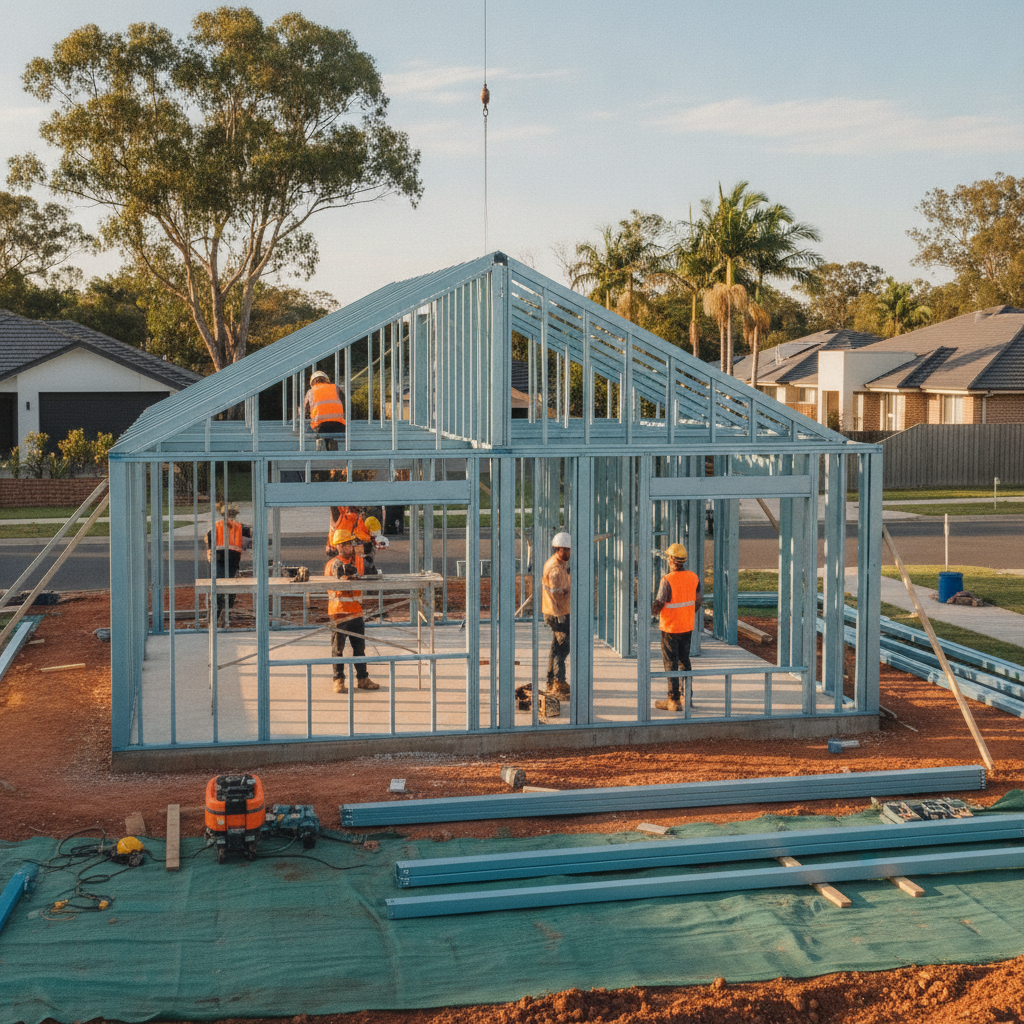
Typically, when people think of a modern Australian kit home, they picture a sleek, ground-level design. It's a classic for a reason. Building on a concrete slab provides a solid, permanent feel that many owner-builders love. If you've got a dead flat block, this is often the path of least resistance.
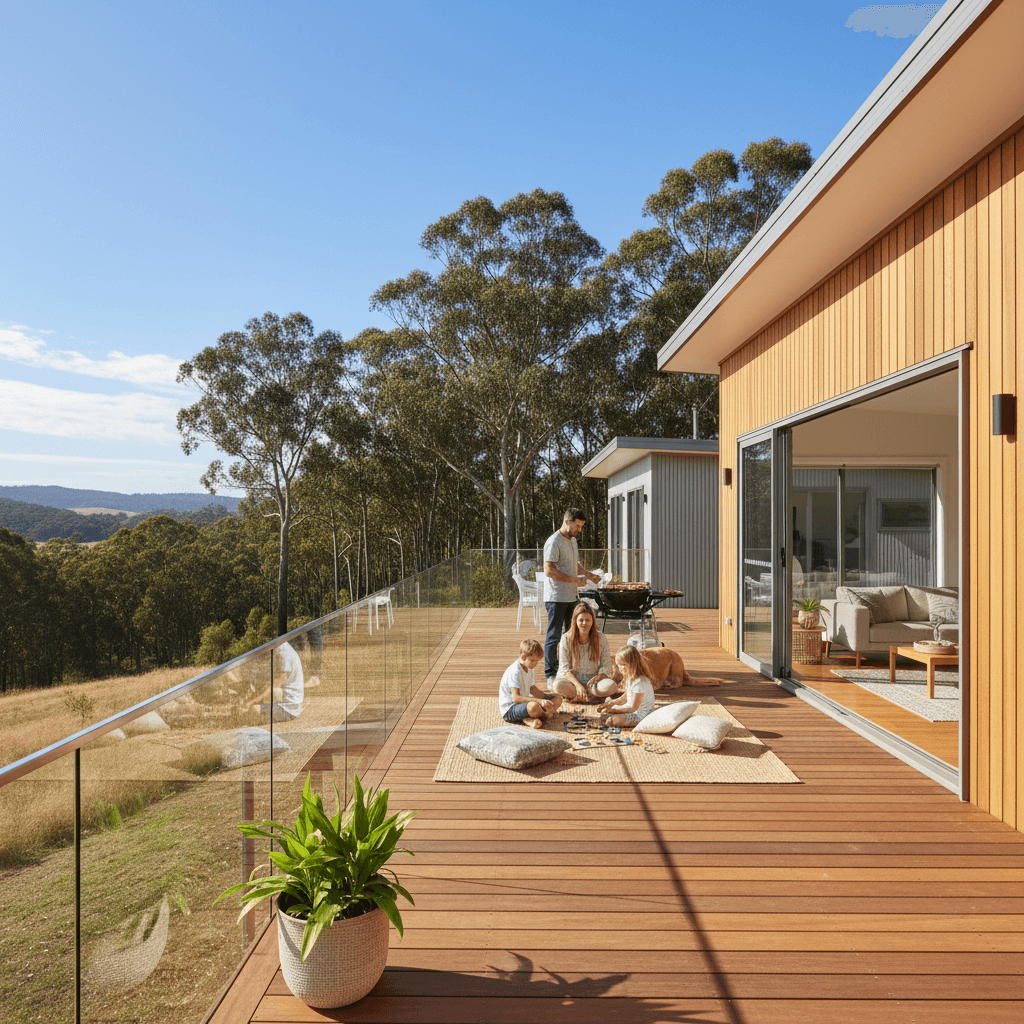
One of the biggest perks of a single storey slab home is the indoor-outdoor flow. There's nothing quite like opening up the sliding doors and walking straight out onto a level patio. It makes the house feel heaps bigger than it actually is. It's also a winner for accessibility. If you're planning on staying in the home long term, not having to worry about stairs as you get older is a massive plus. No worries about the knees giving out after a long day in the garden.
But here's the kicker. Slabs don't play well with slopes. If your block has a bit of a wobble to it, you're going to spend a lot of time and effort on site works. We've seen plenty of people get caught out by the sheer amount of earthmoving required to create a flat pad for a slab. You're looking at cut-and-fill, retaining walls, and drainage issues. It can get messy quickly. Does a slab really make sense if you have to dig half the hill out first?
Why Elevated Homes are Making a Comeback
Elevated kit homes are a staple of Australian architecture, especially when you head north or toward the coast. Think of the classic Queenslander style. By lifting the home off the ground, you're essentially working with the land rather than against it. Most kit homes using steel frames, like those made with TRUECORE steel, are perfect for this approach because they're lightweight and incredibly strong.
Got a steep block? An elevated design is likely your best mate. Instead of moving tonnes of dirt, you just use stumps of varying lengths. It saves a lot of heartache during the site prep phase. Plus, there's a major hidden benefit: under-house storage. Even a modest elevation creates a spot to park the ute, store the mower, or set up a workshop. We reckon that extra space is worth its weight in gold.
Airflow is another cracker of a reason to go elevated. By allowing air to circulate under the floorboards, you can keep the house significantly cooler during those scorching Australian summers. Natural ventilation is a lifesaver when the humidity kicks in. It's a simple, low-tech way to make your home more comfortable without relying 100 percent on the aircon.
The Verdict: Which Suits Your Block?
How do you actually decide? It comes down to a few key factors that every owner-builder should suss out early on.
1. The Slope: This is the big one. As a general rule of thumb, if your block has more than a one-metre fall across the building envelope, an elevated home starts looking a lot more attractive. Building a slab on a steep slope often requires massive retaining walls that can end up making the house feel like it's sitting in a hole.
2. The Soil: Have you had a soil test yet? Some soil types in Australia are 'reactive', meaning they expand and contract significantly when they get wet. This can put a lot of stress on a concrete slab. In some cases, an elevated home on deep piers is a more stable long-term solution for tricky ground conditions.
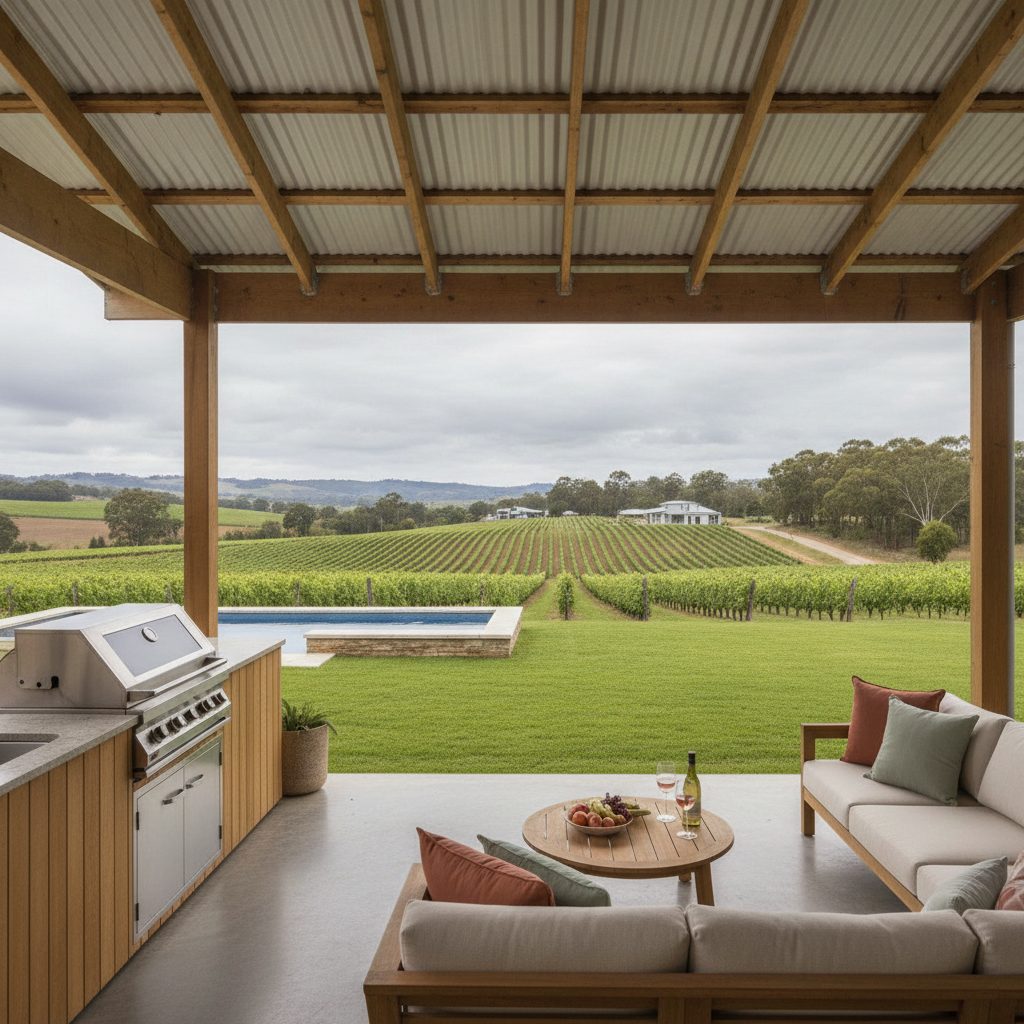
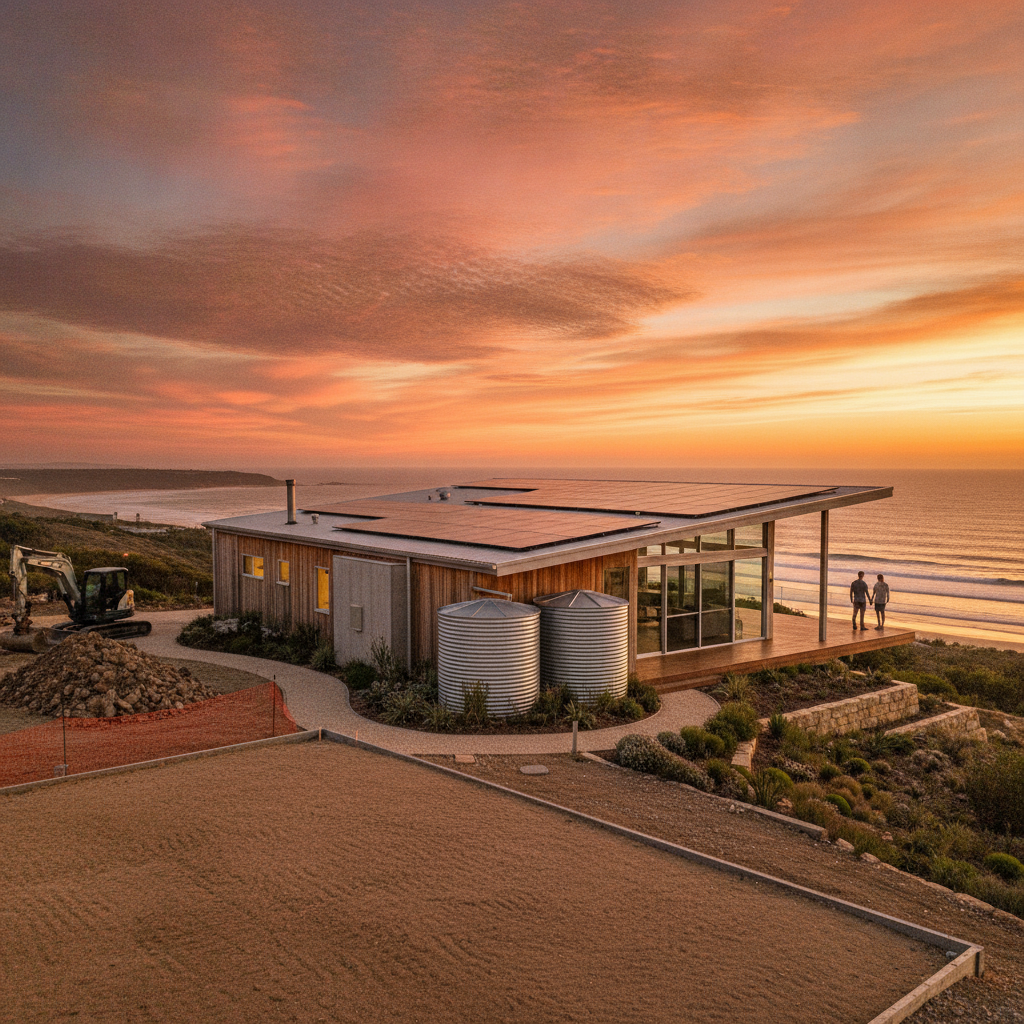
3. The View: Ever stood on your block and thought, "The view would be amazing if I was just two metres higher"? That's the beauty of elevation. Lifting the home can clear the fence line or the neighbours' roof, turning a standard suburban outlook into a stunning vista.
4. Maintenance and Pests: Here's a tiny detail that matters. Elevated homes make termite inspections a breeze. You can literally crawl under there and see what's going on. With a slab, the perimeter is your only real line of sight. On the flip side, stairs mean carrying groceries up every single day. Is that something you're keen on?
Owner Builder Realities: Site Prep and Tiling
As an owner-builder, you're managing the trades and the workflow. It's important to remember that these two styles require different sequences. With a slab home, your plumbing must be 100 percent accurate before the concrete is poured. There are no second chances once that truck arrives. You're locked in. In our experience, this can be a bit nerve-wracking for first-timers.
With an elevated kit home, you've got a bit more breathing room. The plumbing can often be run and adjusted under the floor after the frames are up. However, the flooring itself changes. You'll likely be working with a timber or compressed sheet subfloor rather than concrete. If you've got your heart set on large-format floor tiles throughout the whole house, a slab is generally easier and more stable for that specific finish. This doesn't mean you can't tile an elevated home, but you'll need to be extra careful with the subfloor stiffness to avoid cracked grout lines later on.
Weathering the Aussie Elements
We can't talk about Australian kit homes without mentioning our unique climate. If you're building in a flood-prone area, elevation isn't just a design choice; it's a necessity. Even a few hundred millimetres can be the difference between a dry carpet and a disaster during a heavy storm.
And then there's the heat. A slab acts as a giant thermal mass. In winter, if it's positioned to soak up the sun, it can keep the house warm well into the night. But in summer, if it gets hot, it stays hot. An elevated home loses heat much faster. Depending on where you live—whether it's the chilly hills of Tassie or the tropics of Darwin—this thermal behavior should heavily influence your choice.
Final Thoughts for Your Project
So, which way are you leaning? There's no right or wrong answer, only what works for your specific patch of dirt and your lifestyle. A single storey slab home offers that seamless, grounded lifestyle that's perfect for families and retirees on flat blocks. An elevated kit home is the problem-solver for slopes, the king of ventilation, and the master of the view.
Take some time to walk your block at different times of the day. Think about the breeze, the sun, and where you'll want to spend your Sunday arvos. Once you've got that sussed out, the rest of the project will start falling into place. Building a kit home is a huge achievement, and getting the foundation right is the first step toward a house you'll love for years. She'll be right if you do the homework now!