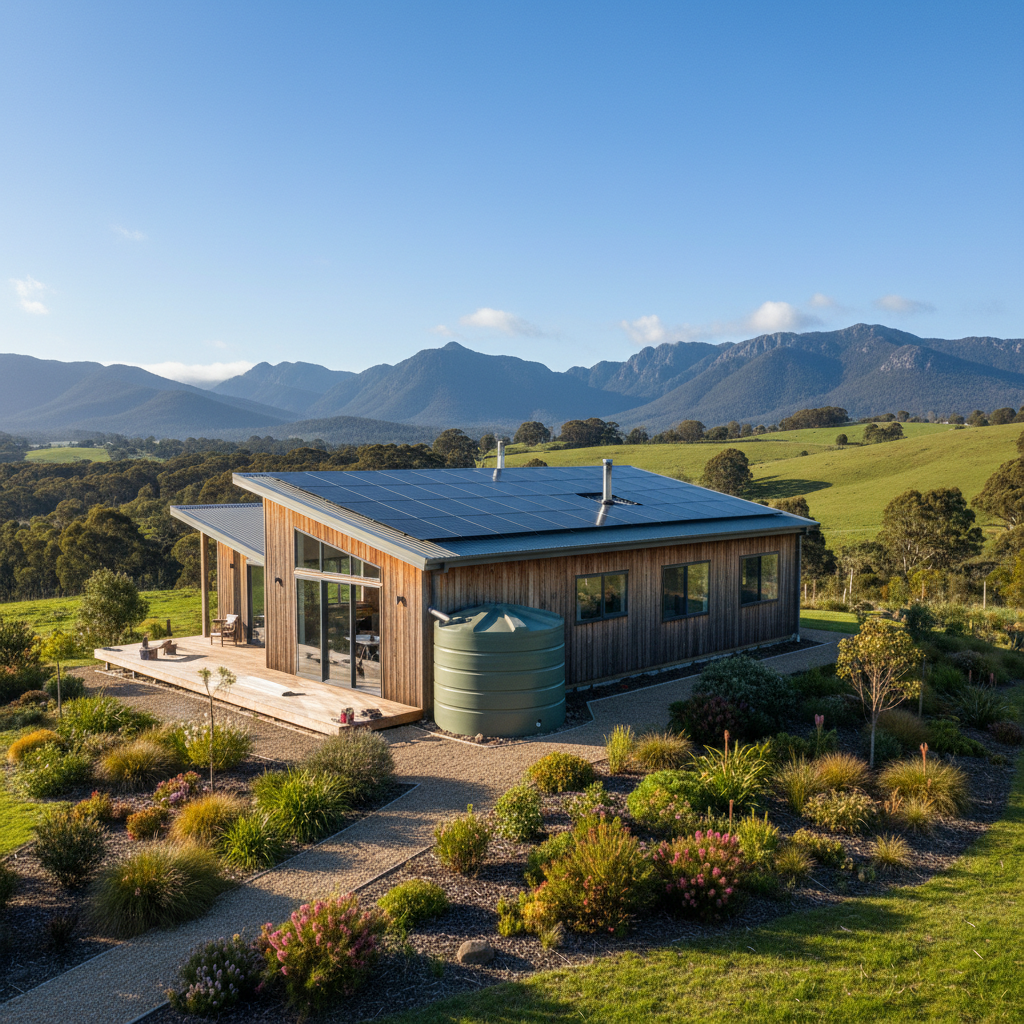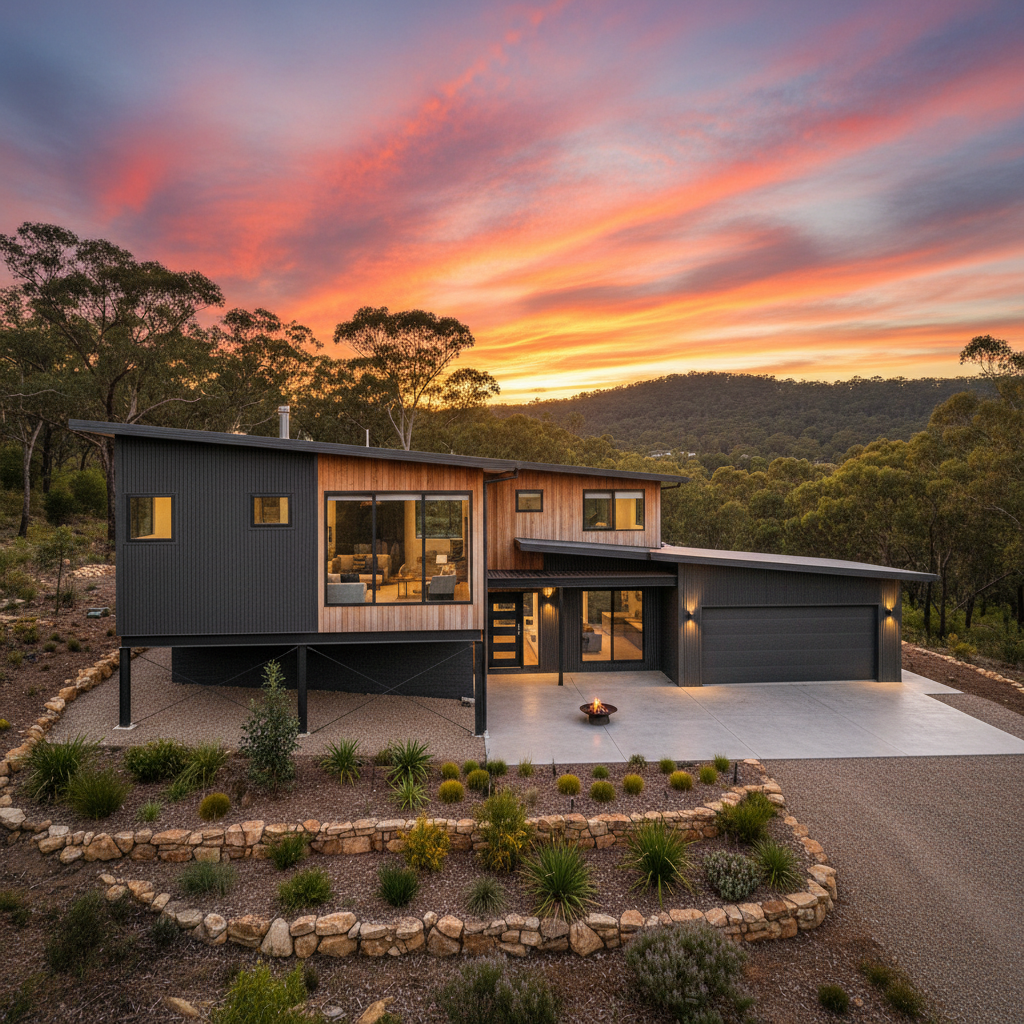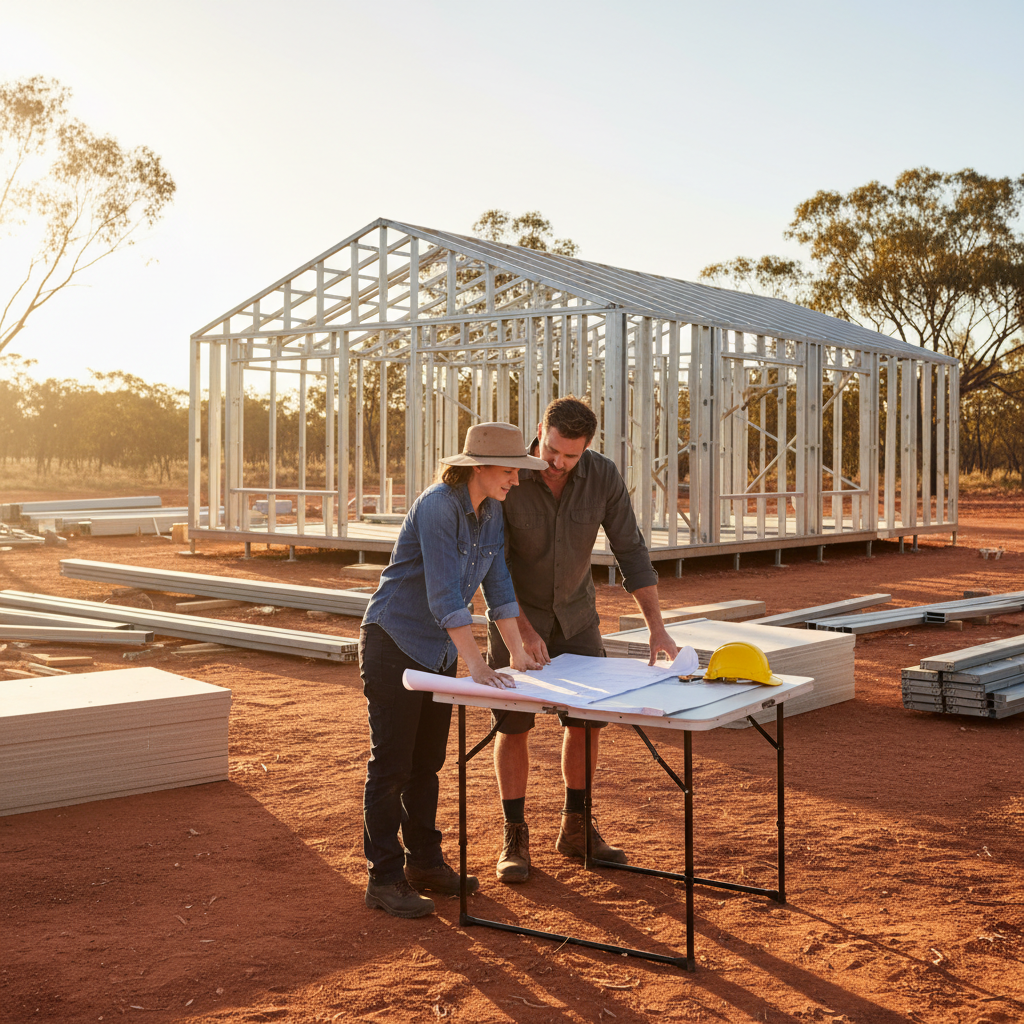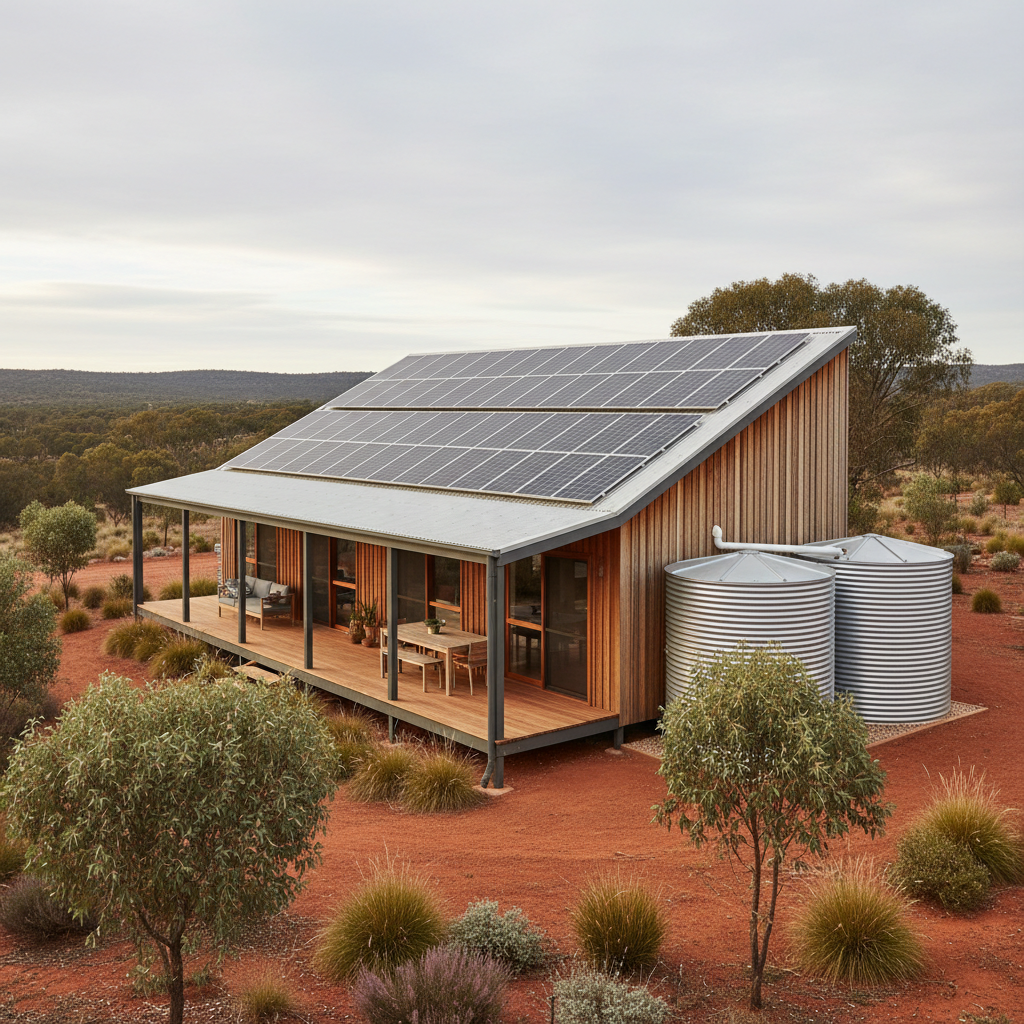
Standing on a vacant block of dirt in the middle of a Gippsland winter with a clipboard in your hand makes you realize one thing pretty quickly. Designing the house was the easy part. Building it is where the actual work starts. Most people walk into the owner builder world because they want control. They want to know exactly what's behind their walls, and they want to save a packet by not paying a builder's margin. That's fair enough. But if you aren't prepared for the sheer volume of paperwork and the logistical gymnastics required before a single piece of BlueScope steel arrives on your site, you're going to have a rough time.
The Red Tape Nightmare: Council and White Ants
Before you even think about ordering a kit, you need to talk to your local council. Every local government area in Australia operates like its own little kingdom. What passes in Dubbo won't necessarily fly in the Mornington Peninsula. You'll need an Owner Builder permit first. In most states, like NSW or Victoria, this involves a short course. Don't skip the fine print here. The course covers your legal obligations, especially around site safety and insurance. If a sparky trips over a piece of loose flashing on your site and you don't have the right cover, you're cooked.
Then comes the DA (Development Application) or CDC (Complying Development Certificate). This is where you'll need your site plans, elevations, and those engineering bits that come with your kit. If you're building in a bushfire prone area, you'll need a BAL (Bushfire Attack Level) rating. This dictates what kind of windows and cladding you can use. If you're at a BAL-29 or BAL-40, those cheap timber windows you saw online are out of the question. You'll be looking at toughened glass and specific seals. My advice? Get a private building certifier. They cost more than the council guy, but they'll actually answer the phone when you have a question about slab set-outs on a Friday afternoon.
Site Prep Is Not Just Flattening Dirt
I've seen guys try to save money by doing their own site levelling with a hired bobcat and a laser level they bought from a pawn shop. Don't. If your slab isn't square and level to within a few millimeters, your steel frames won't line up. Steel is unforgiving. Unlike timber, you can't just shave a bit off with a plane if the wall is leaning. It's precison-engineered. If the concrete is out, the whole house is out. Plus, you need to think about drainage. Nobody wants a beautiful new home that turns into an island every time a summer storm rolls through Brisbane or Sydney. You need a proper sediment control plan and a designated spot for trade waste. If the council inspector drives past and sees mud running into the street drains, that's a fat fine right there.
The Slab and the Plumbing
Get your plumber in before the mesh goes down. Your kit will come with a specific footings plan. You need to make sure your 'wet areas' like the laundry and bathroom match up exactly with the internal wall layouts in your kit plans. I once saw a bloke in Adelaide who had his toilet waste pipe sticking up right where a structural steel column was supposed to bolt down. He had to jackhammer the slab. It was a mess. Check your measurements four times. Then check them again.
The Delivery Day Chaos
When the truck arrives with your kit, it's a big day. But it's also stressful. You need clear access. If you've got a narrow driveway with low-hanging gum tree branches, that semi-trailer isn't getting in. You'll end up paying for a 'double handle' where they move everything to a smaller truck, or worse, they'll drop it on the nature strip and leave you to figure it out. Have a clear, flat area ready with some timber dunnage (gladiators or pallets) to keep the steel and the cladding off the wet ground. Cover it with heavy-duty tarps. Even though TRUECORE steel is tough and built for Aussie conditions, you don't want your plasterboard or insulation sitting in a puddle for three weeks while you wait for the rain to stop.
Putting the Puzzle Together
The beauty of a steel frame kit is that the holes are usually pre-punched. It’s like a massive Meccano set for adults. But you still need the right tools. Invest in a high-quality impact driver, a decent hammer drill for the slab anchors, and a proper set of levels. Don't use that plastic one that's been rattling around in your boot for three years. Get a 1200mm and a 2400mm professional level. You're building a house, not a dog kennel.
Start with your floor system if you aren't on a slab, then move to the walls. Bracing is where most owner builders get confused. Follow the engineering drawings to the letter. AS 4100 (the steel structures standard) is there for a reason. If the plan says you need sixteen 12mm bolts in a specific bracket, don't reckon that ten will do the job. Wind loads in Australia are no joke, especially if you're building on the coast or up on a ridge.
The Trade Shuffle
While you're doing the heavy lifting, you need to be a project manager. That means booking your roofers, sparkies, and plumbers well in advance. Good blokes are usually booked out months ahead. Tell them you're owner building. Some trades hate working for owner builders because the sites are often a shambles and the scheduling is wonky. Prove them wrong. Have the site clean. Have the materials ready. And for the love of everything, have some cold water and maybe a box of biscuits in the shed for them. It goes a long way. Because if you need them to come back and fix a leak at 6pm on a Tuesday, they're more likely to show up if you weren't a pain in the neck during the rough-in.
Lock-Up and Beyond
Once the roofing and cladding are on, and the windows are in, you've hit 'lock-up'. This is a huge milestone. The house is weather-tight. Now you can focus on the insulation and the internal linings. This is where you'll really appreciate the steel frames being straight. It makes hanging the plasterboard so much easier than trying to fix sheets to wonky, warped timber studs. But remember, you can't just screw a heavy TV bracket anywhere into a steel stud without a noggin or some extra support. Think about where you want your kitchen cabinets and wall-mounted dryers now, before the walls go up. Add your extra timber or steel blocking while the frames are exposed. It’ll save you a massive headache later.
Being an owner builder is a long slog. It's about five months of sore thumbs, dust in your coffee, and arguing with the council over the phone. But when you finally move in and you know every bolt in that frame is done right because you put it there yourself, it's a pretty good feeling. Just keep your site clean, your paperwork filed, and your spirit level handy. You'll get there.