The Great Shift to Regional Australia
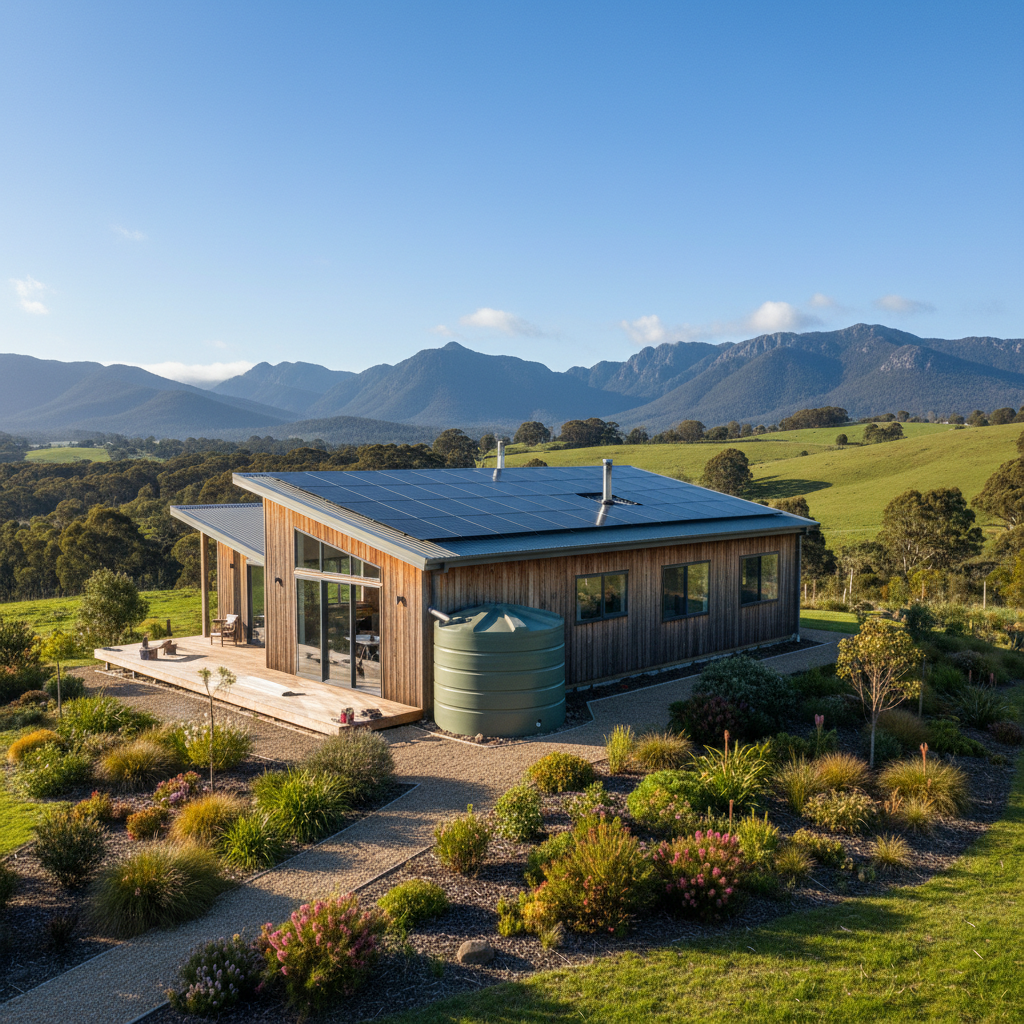
Walk down any suburban street in Melbourne or Sydney right now and you'll see the same thing. Skips in the driveway, 'For Sale' signs on every third corner, and people packing up SUVs. The pandemic didn't just change how we work, it completely rewrote the rulebook on where we want to wake up. We spent two years staring at the same four walls and realized they were way too close to the neighbors. Now, everyone's looking for five acres and a bit of breathing room. But here's the kicker. Finding a builder in the middle of nowhere who isn't booked out until 2027 is like finding a needle in a haystack. That's why the owner builder route is exploding right now.
It's about control. When you take charge of your own project, you aren't at the mercy of a big volume builder's schedule. You get your kit delivered, you get your slab poured, and you start moving. I've seen more people in the last eighteen months trade the 400 square meter block for a rural lifestyle than in the previous ten years combined. It's a genuine shift in the Australian psyche.
Designing for the New Normal
We used to build houses for sleeping and eating. That's it. You went to the office for eight hours, the kids went to school, and the house was just a base. Not anymore. The houses being built today, especially the steel frame kits we see landing on sites from Tamworth to the Huon Valley, look different. People are asking for dedicated office spaces that aren't just a desk wedged into a hallway. They want 'Zoom rooms' with decent natural light. They're prioritizing mudrooms because they're actually spending time outside in the dirt. Plus, the open plan thing is being questioned. Families realized that being in one giant room together 24/7 is a recipe for a headache. We're seeing more requests for 'away spaces' or second lounges where someone can actually read a book in peace.
But it's not just about the floor plan. It's about the resilience of the structure itself. If you're building in a regional area, you're likely dealing with higher BAL (Bushfire Attack Level) ratings. This is where steel frames really earn their keep. Using TRUECORE steel means you aren't handing a five-course meal to local termites, and it gives you a solid head start on meeting those nasty bushfire requirements in the NCC Volume 2. Nobody wants to build their dream home only to have it eaten by bugs or warped by the Aussie sun before the first Christmas.
The Owner Builder Reality Check
Don't get it twisted. Being an owner builder isn't just about swinging a hammer on the weekend and drinking a cold one. It's a job. You're the project manager. You're the one on the phone at 6:30 AM making sure the plumber actually shows up this time. But the satisfaction? It's huge. There's a particular kind of pride when you stand under a roof that you helped coordinate.
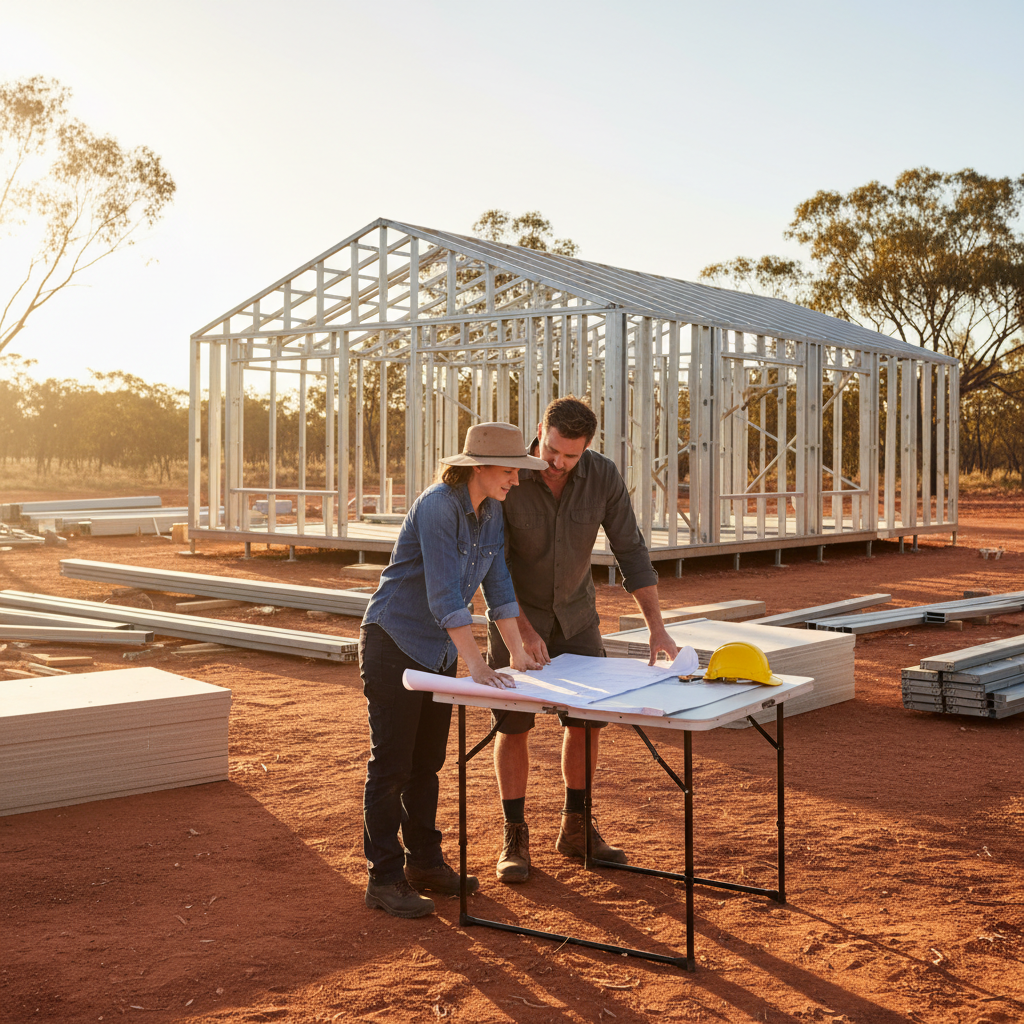
If you're jumping into this, my biggest tip is to get your head around the paperwork early. Don't wait until the kit arrives on the back of a semi-trailer to start looking for your certifier. Get your DA or CDC sorted, talk to your local council about their specific requirements for steel structures, and have your subbies lined up months in advance. Good chippies and sparkies are busier than a one-armed bricklayer in a storm right now. You need to be their favorite customer. Have the site ready, have the plans printed, and have the coffee hot.
Practical Tips for the Site
- Check your site access. A kit home comes on a big truck. If your driveway has a low-hanging gum tree or a hair-pin turn, that driver isn't going to be happy.
- Storage is key. When your frames, roofing, and cladding arrive, you need a flat, dry spot to keep them. Don't just chuck them in the long grass.
- Invest in a good cordless impact driver. You'll be driving thousands of screws into that steel. Your wrists will thank me later.
- Keep the site clean. A messy site is a dangerous one, and it drives subbies mental. Spend ten minutes at the end of every day picking up offcuts.
Why Steel is Winning the Popularity Contest
I've worked with timber and I've worked with steel. Both have their place. But for a kit home, steel is just easier to handle for the DIY crowd. It doesn't warp. It doesn't twist. If you leave a steel truss out in the rain for two days because the weather turned sour, it's still going to be straight as an arrow when the sun comes out. Timber? Not so much. It'll start looking like a banana before you can say 'she'll be right.'
Also, termites in Australia are no joke. They're relentless. Building with a TRUECORE steel frame is like an insurance policy you only pay for once. You still need your barriers and inspections, but knowing the bones of the house can't be eaten gives you a better night's sleep. Especially when you're building out in the scrub where the termites are basically the local mayors.
The Future of Regional Design
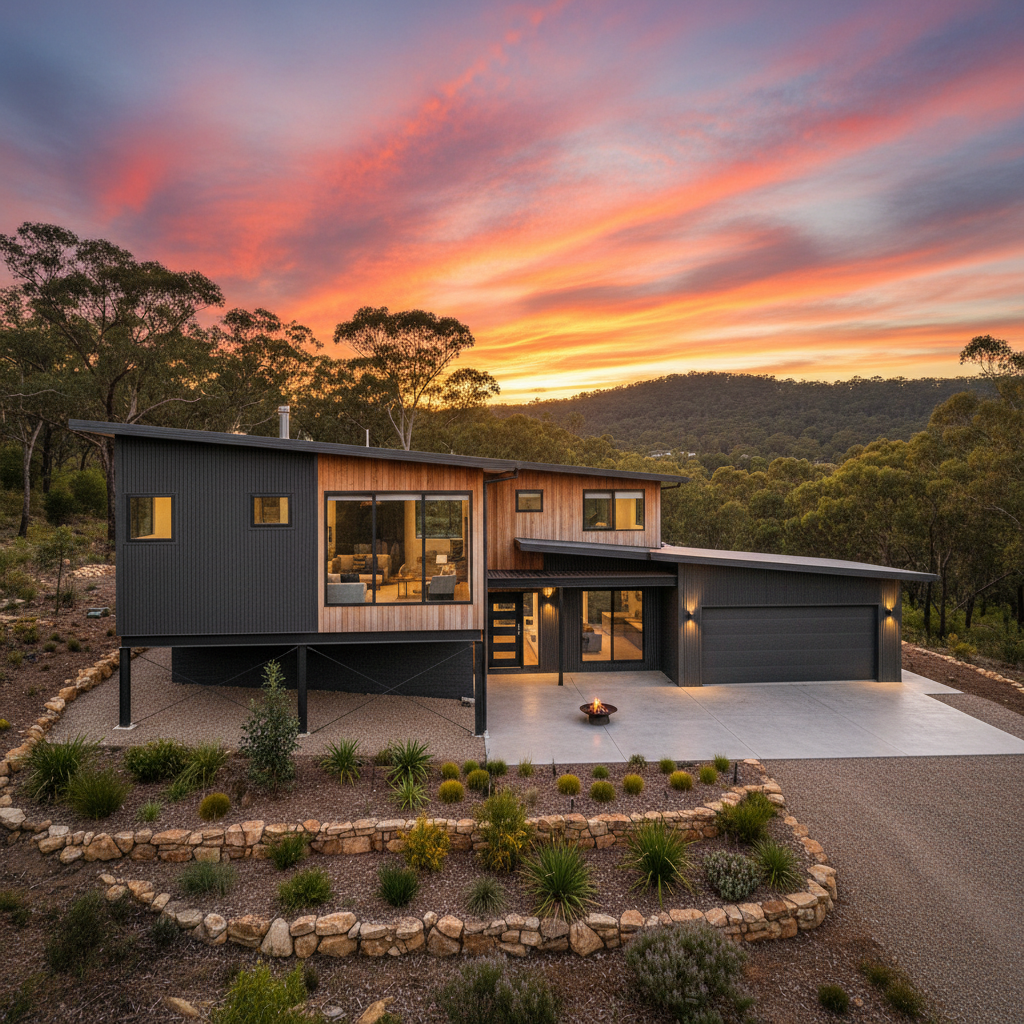
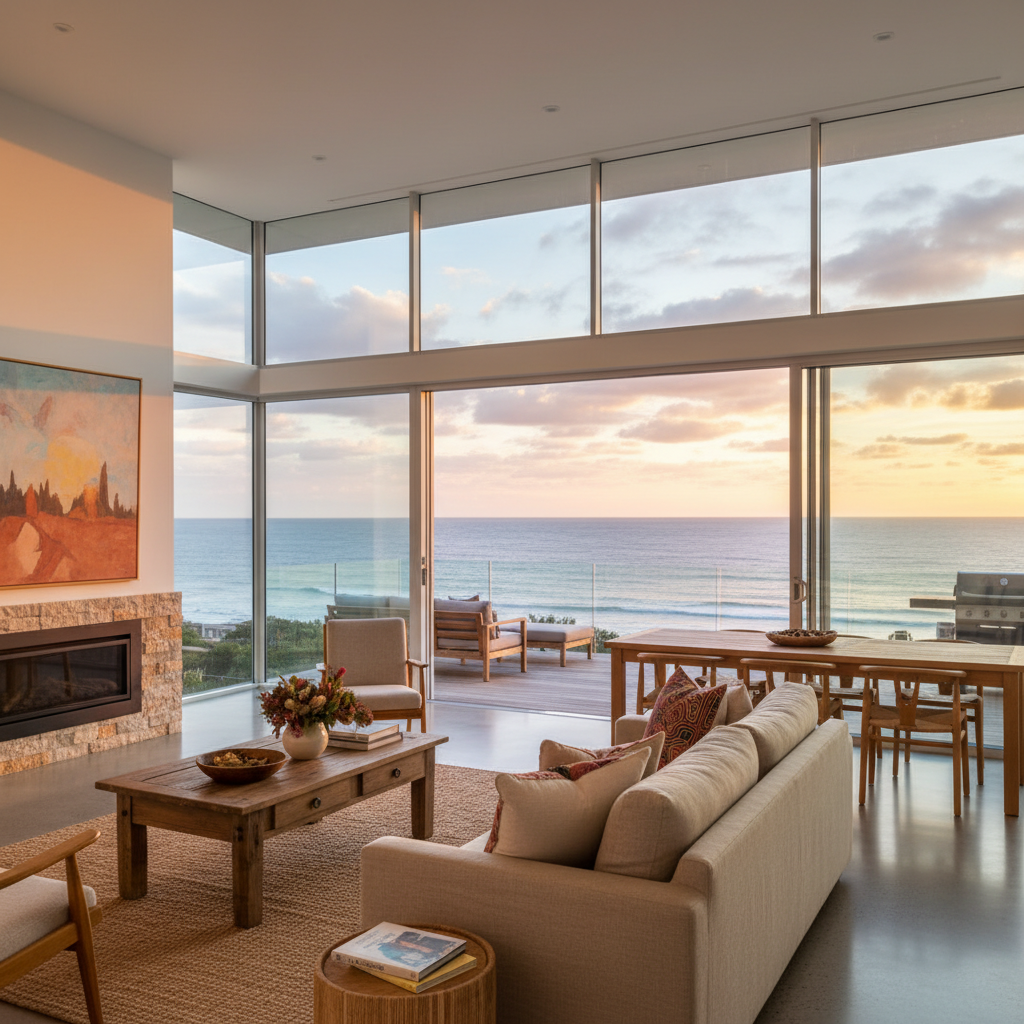
We're moving away from the 'McMansion' style. People are prioritizing quality over sheer square meterage. They want high ceilings, big windows to soak up the view they just paid half a million dollars for, and wide verandas to keep the heat off the walls. The aesthetic is shifting towards that modern acreage look. Darker cladding, maybe some Shale Grey or Monument on the roof, and lots of timber accents to soften the industrial feel of the steel. It's a great look. It fits the Australian landscape better than those beige boxes we see in the outer suburbs.
Because at the end of it, we're all just looking for a bit of autonomy. Building a kit home gives you that. You aren't just buying a product, you're buying into a process that you control. It's a way to get a high-quality, architecturally designed look without the architect's price tag or the corporate builder's timeframe. It's tough work, and you'll probably have a few choice words for a bolt that won't line up at some point, but the end result is a house that's actually yours. Not just a house you live in, but a house you built. That's the real Australian dream in the 2020s.
So, stop scrolling and start planning. Look at your site, check your BAL rating, and get a feel for the dirt you're standing on. The shift to the country isn't a fad. It's the new reality for a lot of us who realized life is too short for a two-hour commute and a tiny backyard.