Navigating the Choice Between Single Storey and Elevated Kit Homes
When you start your journey as an owner builder in Australia, the site you choose is just as important as the floor plan you fall in love with. One of the first major decisions you will face is whether to build a classic single storey home on a concrete slab or opt for an elevated kit home on a subfloor system. This choice impacts everything from your site preparation costs to how your home handles the unique Australian climate.
At Kit Home Tips, we believe that understanding the relationship between your land and your home's foundation is the secret to a successful build. Whether you are looking at a coastal block in Queensland or a sloping bush block in Victoria, the foundation sets the stage for your entire project. In this guide, we will break down the pros and cons of single storey vs elevated living to help you make the right call for your Australian dream home.
The Appeal of Single Storey Living on a Concrete Slab
The Australian suburb was built on the slab on ground single storey home. It is a familiar, sturdy, and reliable construction method that many owner builders find approachable. When you build a kit home on a concrete slab, you are creating a seamless transition between your indoor living spaces and the great outdoors.
Accessibility and Ease of Flow
One of the biggest drawcards for single storey homes is accessibility. With no stairs to navigate, these homes are perfect for young families with prams or for those looking to 'age in place'. The ability to walk straight from your kitchen onto a level patio area is a lifestyle benefit that is hard to beat for weekend BBQs and outdoor living.
Thermal Mass and Energy Efficiency
A concrete slab offers significant thermal mass. In many parts of Australia, this can be used to your advantage. During winter, a slab can soak up the sun's heat during the day and release it slowly at night. While our kit homes come with high quality insulation and BlueScope steel frames, combining these with a well positioned concrete slab can help regulate your internal temperature naturally.
When to Consider an Elevated Kit Home
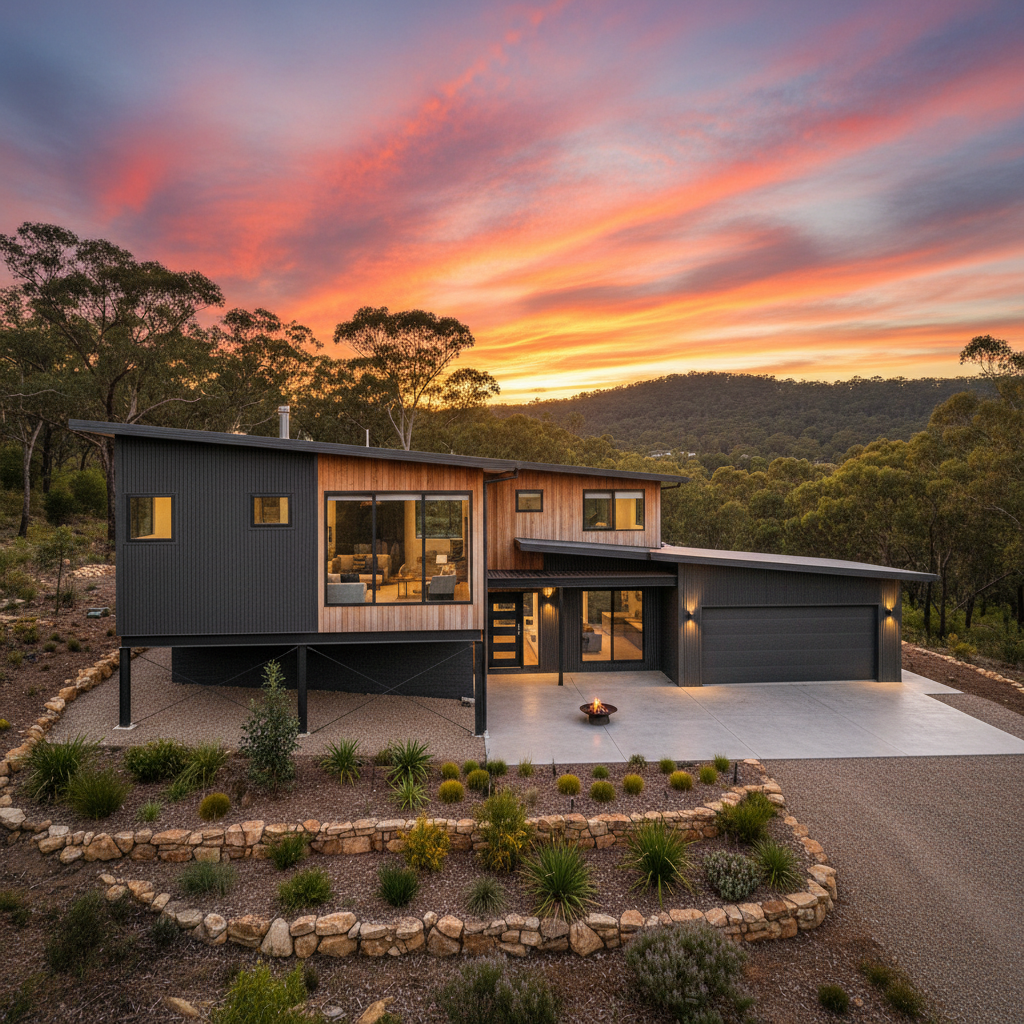
While slabs are popular, the Australian landscape is rarely perfectly flat. This is where elevated kit homes shine. Using a subfloor system with steel piers allows you to hover above the ground, which offers a range of practical and aesthetic benefits.
Conquering Sloping Blocks
If you have a block with a significant incline, an elevated home is often the most sensible choice. Instead of spending a fortune on massive earthworks, retaining walls, and site leveling, you can use varying pier heights to level the house while the land remains in its natural state. This not only saves on heavy machinery costs but also minimizes the impact on the local environment and natural drainage patterns.
Superior Airflow and Cooling
In the humid northern parts of Australia, elevated homes (often called 'Queenslanders') have been the gold standard for over a century. By raising the home off the ground, you allow air to circulate underneath the floor. This natural ventilation helps cool the entire structure, reducing your reliance on air conditioning during those sweltering summer months.
Easier Access for Maintenance
One of the often overlooked benefits of an elevated kit home is the ease of access to plumbing and electrical services. If you ever need to renovate or repair a pipe, having a crawl space underneath the house makes the job significantly easier for tradespeople compared to a slab where pipes are encased in concrete.
Comparing the Two: Which Suits Your Block?
Choosing between these two styles usually comes down to three main factors: your block's topography, your local climate, and your personal lifestyle preferences.
Site Topography
If your block is dead flat and has good soil stability, a single storey slab on ground home is usually the most straightforward path. However, if your land is rocky, sloping, or prone to minor surface flooding, an elevated home provides a safer and more adaptable solution. Building on piers means you don't have to fight the land, you work with it.
Local Climate and Ground Conditions
Is your block in a high rainfall area? Elevated homes are excellent for staying dry. Is your block in a bushfire prone area? While both styles can be built to meet BAL (Bushfire Attack Level) ratings, a slab on ground home is often easier to seal against embers at the ground level. However, modern kit homes using steel frames and non combustible materials are highly adaptable to both foundation types in fire zones.
The Aesthetic Factor
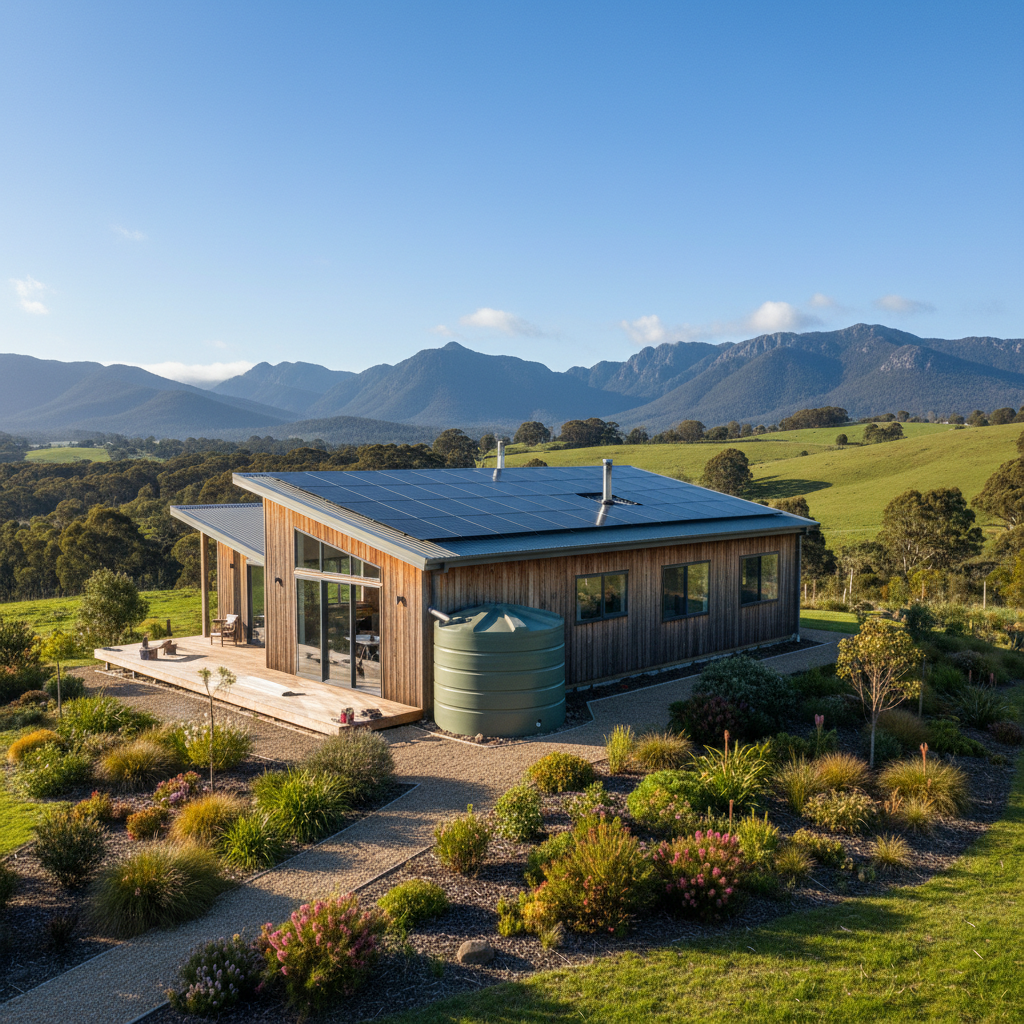
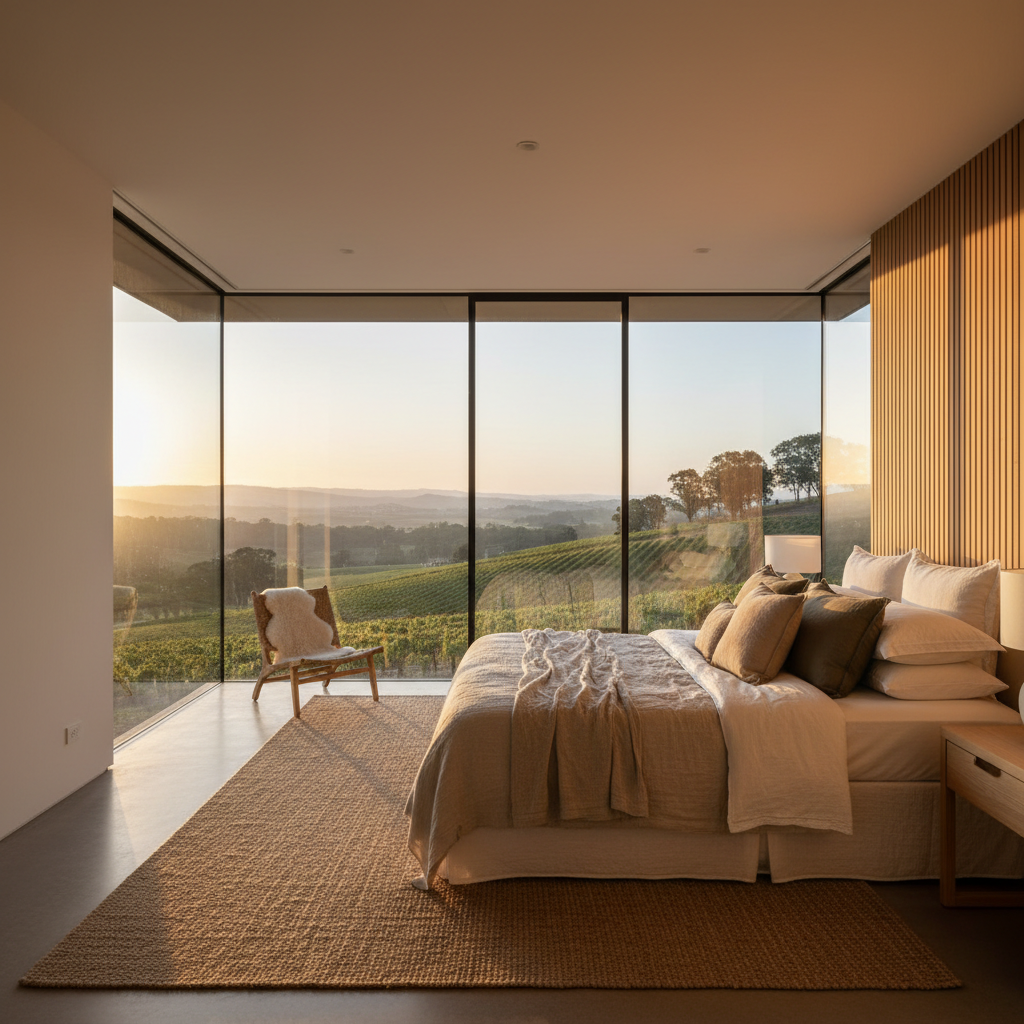
There is a distinct look to each style. A single storey slab home feels grounded and modern, often fitting perfectly into suburban landscapes. An elevated home has a classic, airy feel that often suits rural or coastal settings, especially if the elevation allows you to capture a better view of the surrounding landscape or the ocean.
Practical Tips for Owner Builders
Regardless of which style you choose, here are a few actionable tips to keep your project on track:
- Get a Soil Test Early: Before you commit to a foundation style, hire a structural engineer to perform a soil test. This will tell you how the ground will react to a slab or piers and is essential for the council approval process.
- Consider Drainage: If you go with a slab, ensure your site has proper perimeter drainage. If you go elevated, make sure the water won't pool under the house.
- Think About Under-House Space: On an elevated home, if you raise it high enough, you might create a great space for a tandem carport or a shaded workshop area without increasing the footprint of the home.
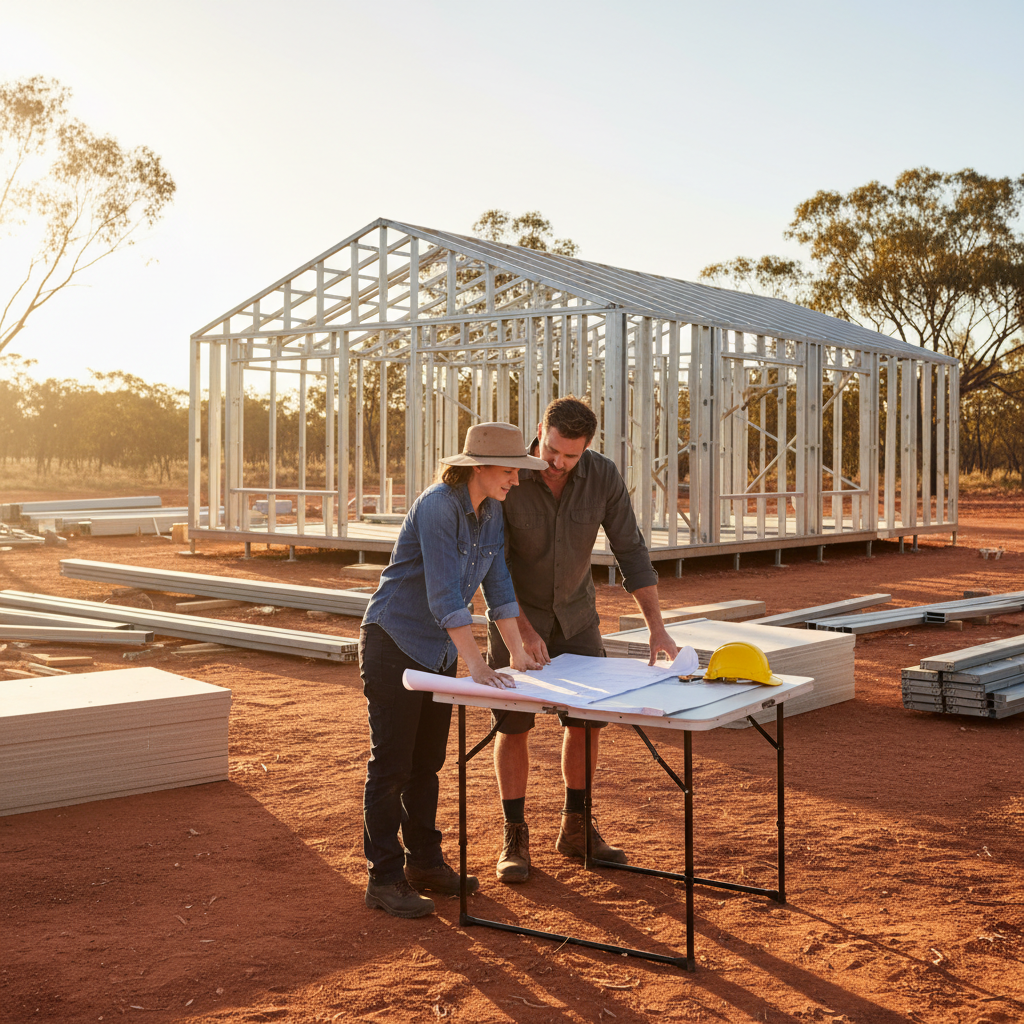
- Steel Frame Advantages: Whether you build on a slab or a subfloor, using TRUECORE steel frames ensures your home's skeleton is termite proof and won't warp or twist over time, which is especially important as foundations settle.
Final Thoughts
There is no 'one size fits all' answer when it comes to the best foundation for an Australian kit home. The right choice is the one that respects the natural contours of your land and aligns with how you want to live. A single storey slab home offers rugged stability and indoor-outdoor flow, while an elevated home provides versatility, breeze, and a clever solution for tricky terrain.
By taking the time to assess your block and considering the long term benefits of each style, you can ensure your kit home project starts on solid ground. Happy building!