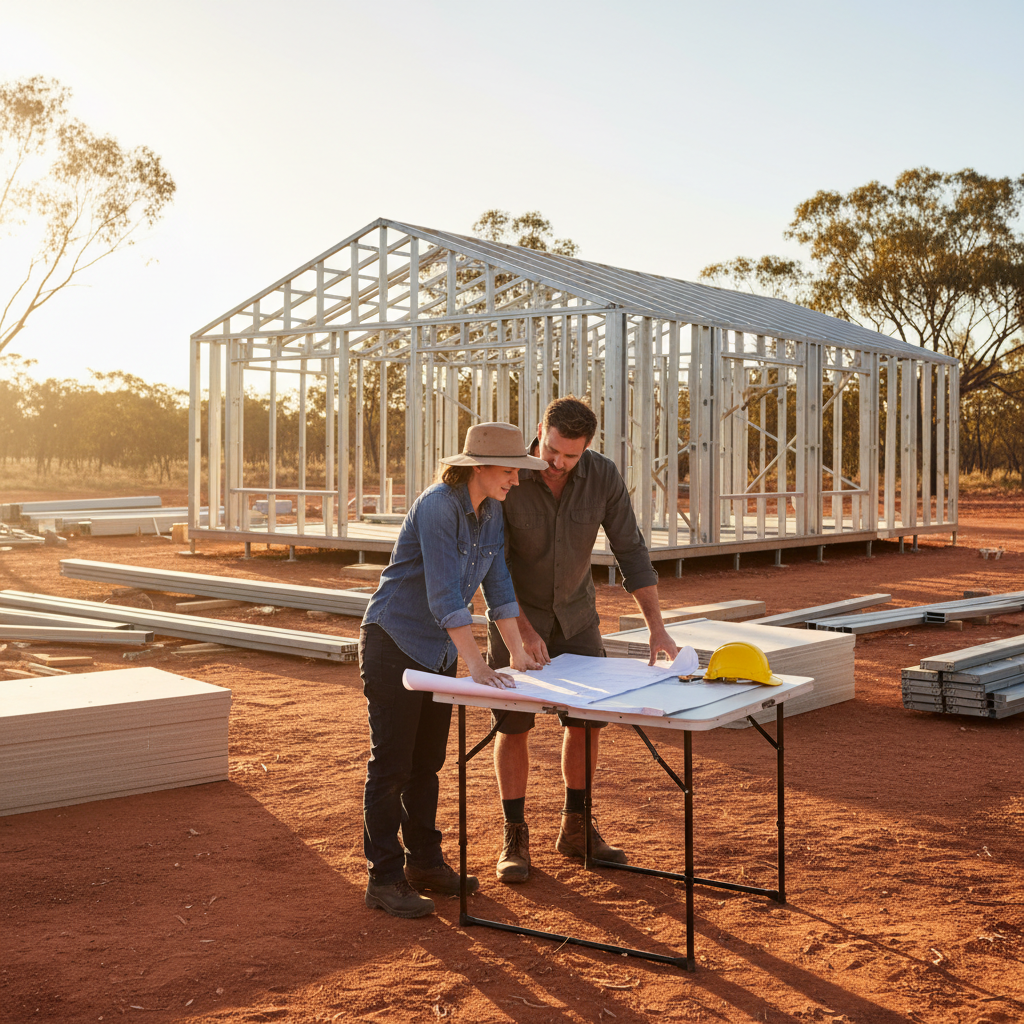
I have lost count of how many owner-builders I have met who spent six months obsesing over kitchen tapware but didn't spend sixty seconds thinking about which way their house actually faces. It is a classic mistake. You get your kit delivered, the TRUECORE steel frames go up in three days, and suddenly you realize the living room is a fridge in July and a furnace in January. Most people think natural light is just about having big windows. It isn't. It is about where those windows sit in relation to the sun and how the air moves when the afternoon breeze finally hits.
The North-Facing Rule is Not Just a Suggestion
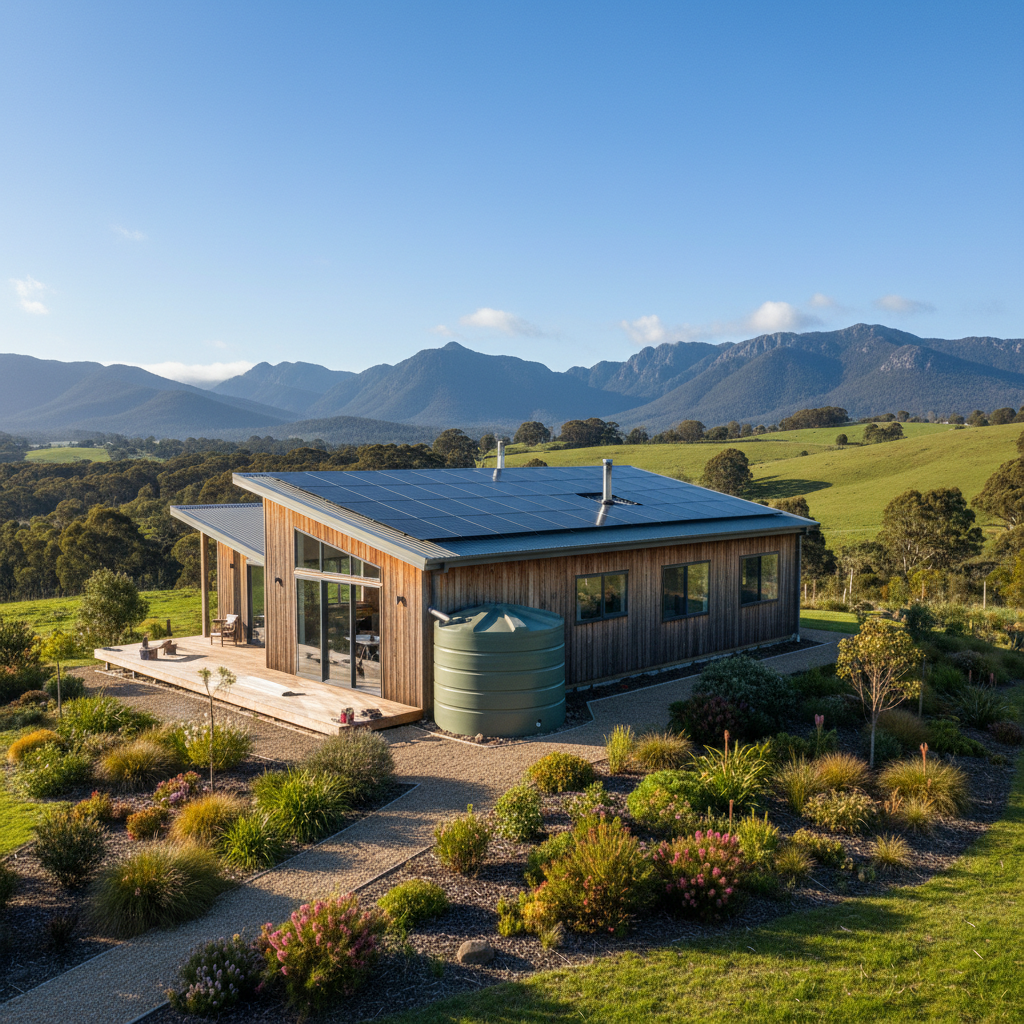
Down here in the southern hemisphere, the sun spends its time hanging out in the north. If you want a kit home that feels decent to live in, your main living areas need to face that way. Simple as that. I am talking about your lounge, your dining area, and maybe your deck. If you put your laundry and bathroom on the northern side, you are wasting the best real estate in your floor plan. The goal is to let that low winter sun creep right into the house to heat up your floor, while using eaves to block the high summer sun.
Steel frames make this easier than old-school timber. Because steel has a higher strength-to-weight ratio, we can often achieve larger spans without needing a forest of internal load-bearing walls. This means you can have those wide-open living areas that allow light to penetrate deep into the back of the house. If you are looking at a design like the 'Valley View' or something similar, look at the window schedule. Are they big enough? Could you swap a standard sliding door for something wider? Adding an extra 600mm to a window width during the design phase costs peanuts compared to trying to hack into a wall two years later. Plus, since the frames are pre-drilled and precise, what you see on the plan is exactly what shows up on the truck. No wonky timber studs making your window installs a nightmare.
Cross Ventilation and the Venturi Effect
Airflow is not just about opening a window. It is about pressure. To get a breeze moving through a kit home, you need an entry point and an exit point. If you only open one window in a room, the air just hits a wall and swirls around. It stays stagnant. But if you have a window on the windward side and a smaller one on the leeward side, the air gets sucked through. This is basic physics, but it is the difference between a house that smells like damp towels and one that feels fresh.
Think about louvres. A lot of people reckon they're a bit 1970s, but they are incredibly practical for Australian kit homes. You can leave them cracked open during a summer storm without the rain blowing inside across your nice new floorboards. Place them low on the cool side of the house and high on the warm side. Hot air rises. It's called the chimney effect. If you've got a raked ceiling in your kit design, put a small operable window up high. The hot air escapes out the top and pulls cool air in from the bottom. It works. It's free cooling. Why wouldn't you do it?
Getting Particular About Glazing
Windows are the weakest link in your home's thermal envelope. You can have the best insulation in the world tucked into those steel wall cavities, but if you go cheap on the glass, you'll feel the heat radiating off it like a toaster. In most parts of Australia now, the NCC (National Construction Code) Volume 2 requirements for energy efficiency are getting tighter. You should be looking at high-performance glass as a minimum.
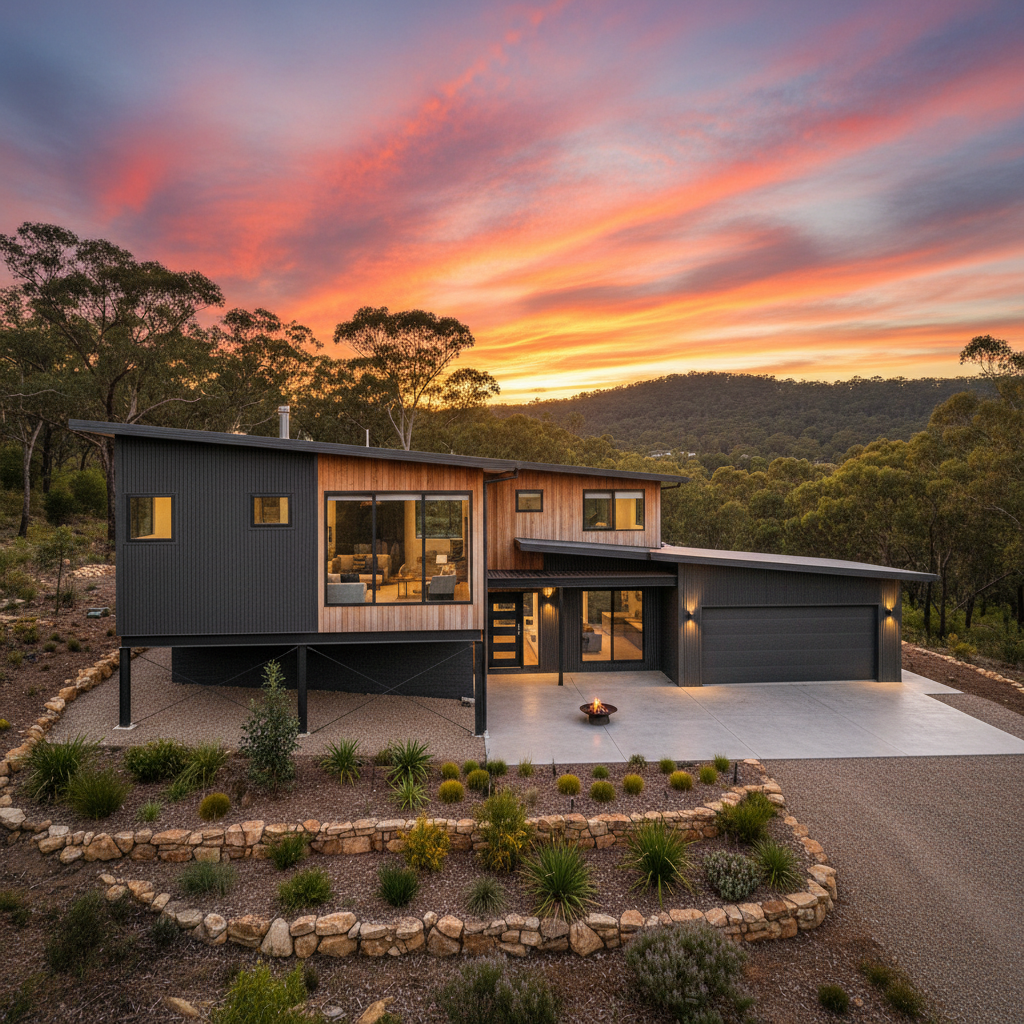
Double glazing is great, but it is heavy. This is where the rigidity of a steel kit house is a massive plus. The frames don't warp or sag over time, so those heavy double-glazed units keep sliding smoothly for decades. If you are building in a spot like the Blue Mountains or down in Tassie, double glazing isn't a luxury. It is a necessity. But even in Queensland, a low-e coating on your glass can reflect a massive amount of infrared heat away before it even gets inside. It keeps the brightness but loses the burn.
The Problem with West-Facing Glass
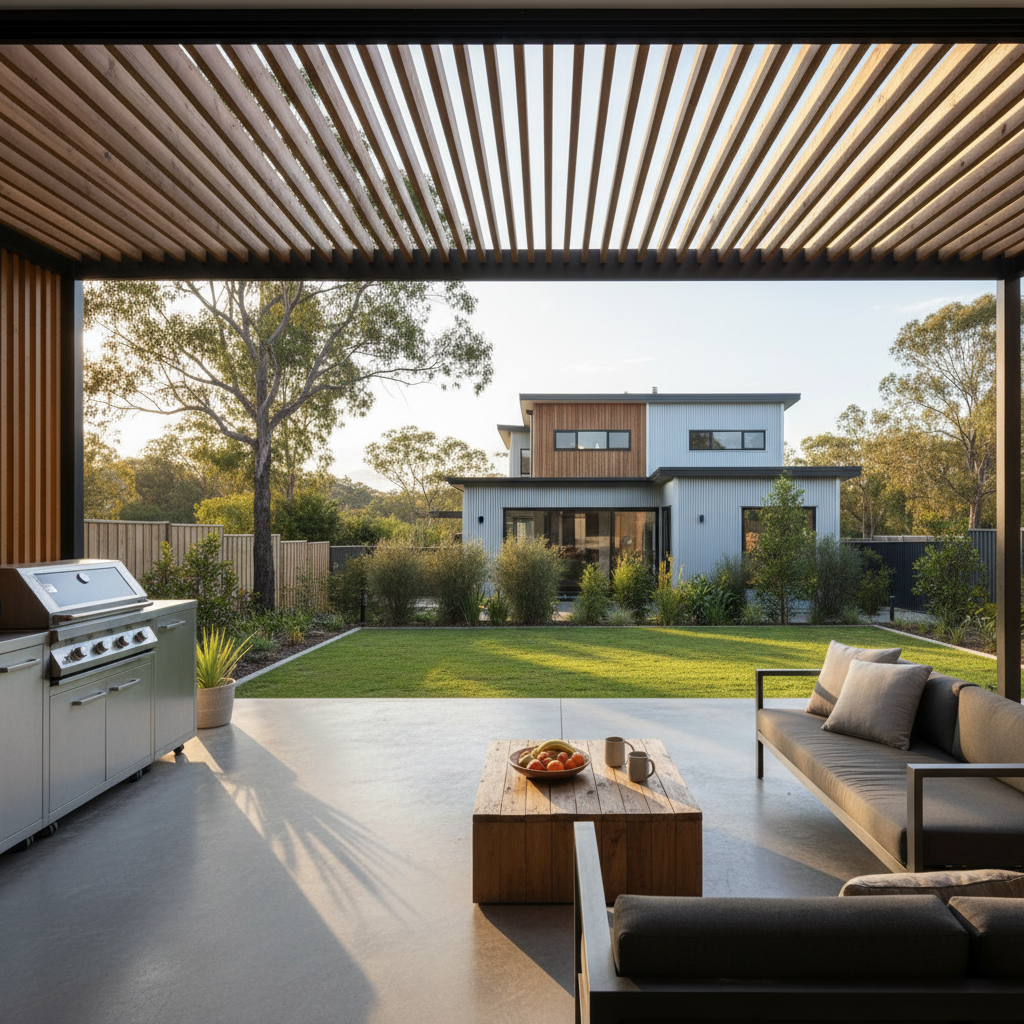
I will say this once: avoid massive windows on the western side of your house. Just don't do it. The afternoon sun in Australia is brutal. It hits at a low angle that eaves can't block. If you have a view to the west that you simply cannot ignore, you need to plan for external shading immediately. Internal blinds won't cut it because the heat has already passed through the glass and is trapped inside. You need shutters, awnings, or deciduous trees that drop their leaves in winter to let the light in but fluff up in summer to provide shade.
Roofing and Solar Gain
Your roof is basically a giant solar collector. Since our kits use genuine BlueScope Steel, you have a choice of colors. Don't just pick 'Monument' because it looks trendy on Instagram if you live in a hot climate. Dark colors soak up heat. Lighter colors like 'Surfmist' reflect it. This affects the air temperature in your roof cavity, which then affects how much heat leaks down through your ceiling. We include insulation in our kits for a reason, but you can make that insulation's job a lot easier by picking a smart color and ensuring you have some roof ventilation like a Whirlybird or ridge vents.
Practical Tips for the Owner Builder
- Check your site orientation at different times of the day before you pour the slab. Stand where the kitchen is supposed to be at 4pm and see where the shadows fall.
- Don't forget the flyscreens. It sounds basic, but if you want ventilation, you need to be able to leave windows open without being eaten alive by mozzies.
- Think about internal doors. Open-plan is great for light, but if you have a long hallway, stick a highlight window at the end of it so it isn't a dark tunnel.
- Check your BAL (Bushfire Attack Level) rating. If you're in a high BAL zone, your window choices might be restricted to toughened glass and specific shutters, which impacts how much light gets in.
Building your own place is a massive undertaking. There's a lot of physical labor once the kit arrives and you start coordinating your sparkies and plumbers. But the physical work is easy compared to the mental work of fixing a bad design. You can't just move a window once the steel is up and the cladding is on. Well, you can, but you'll hate yourself for the extra work and the wasted cash. Take the time now to sit with your floor plans. Look at the compass needle. If your main windows are staring at a fence or a south-facing hill, rethink it. A bright, breezy house stays comfortable long after the novelty of the new kitchen wears off.