The North-Facing Myth and Real-World Orientation
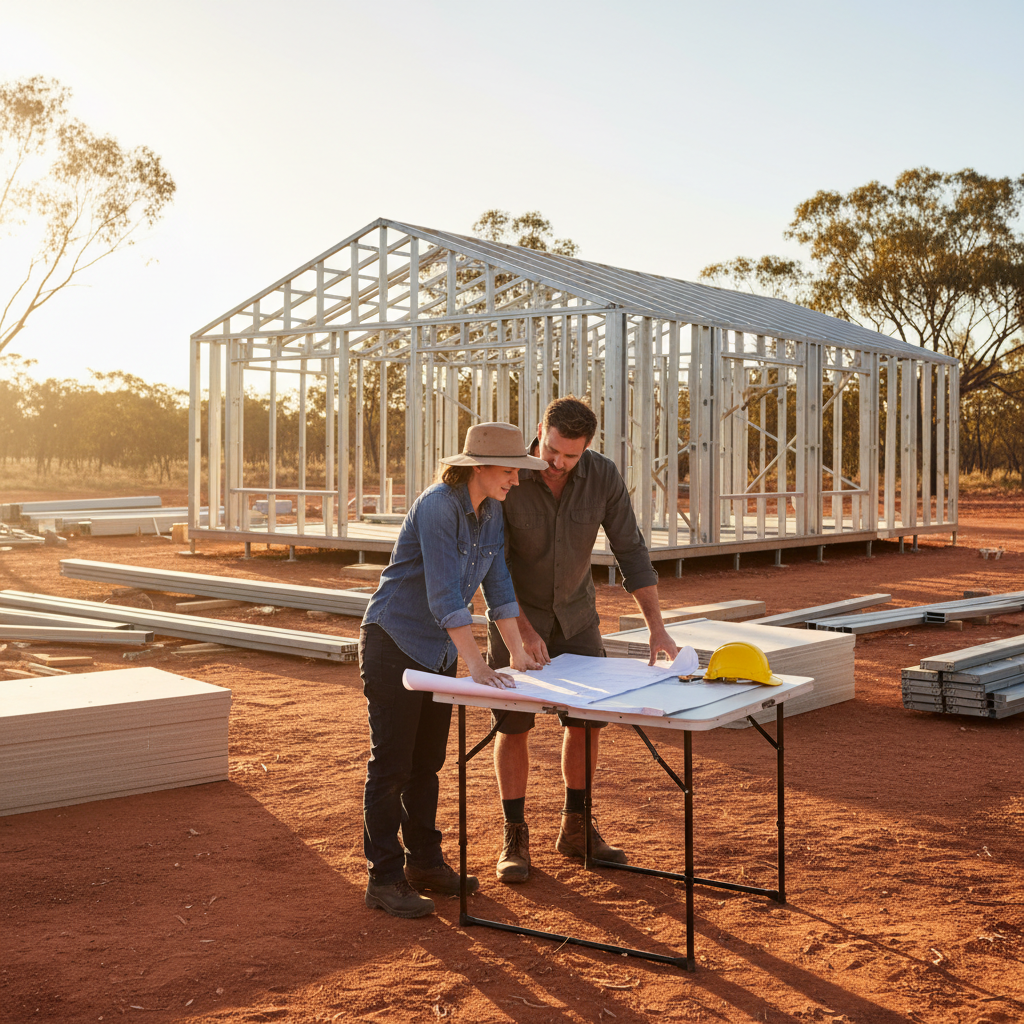
Most blokes at the pub will tell you to just point the house north and walk away. They aren't wrong, but they're oversimplifying things to the point of being dangerous. If you're building a kit home in somewhere like Dubbo or Wagga, blindly pointing every bit of glass north without a plan for shading is a fast track to turning your living room into a pizza oven by 2pm. You need to look at your site before the first truck arrives with your BlueScope steel frames. Walk the dirt at different times of day. Where's the shade from that old gum tree actually falling at 3:00 in the afternoon? That's what matters.
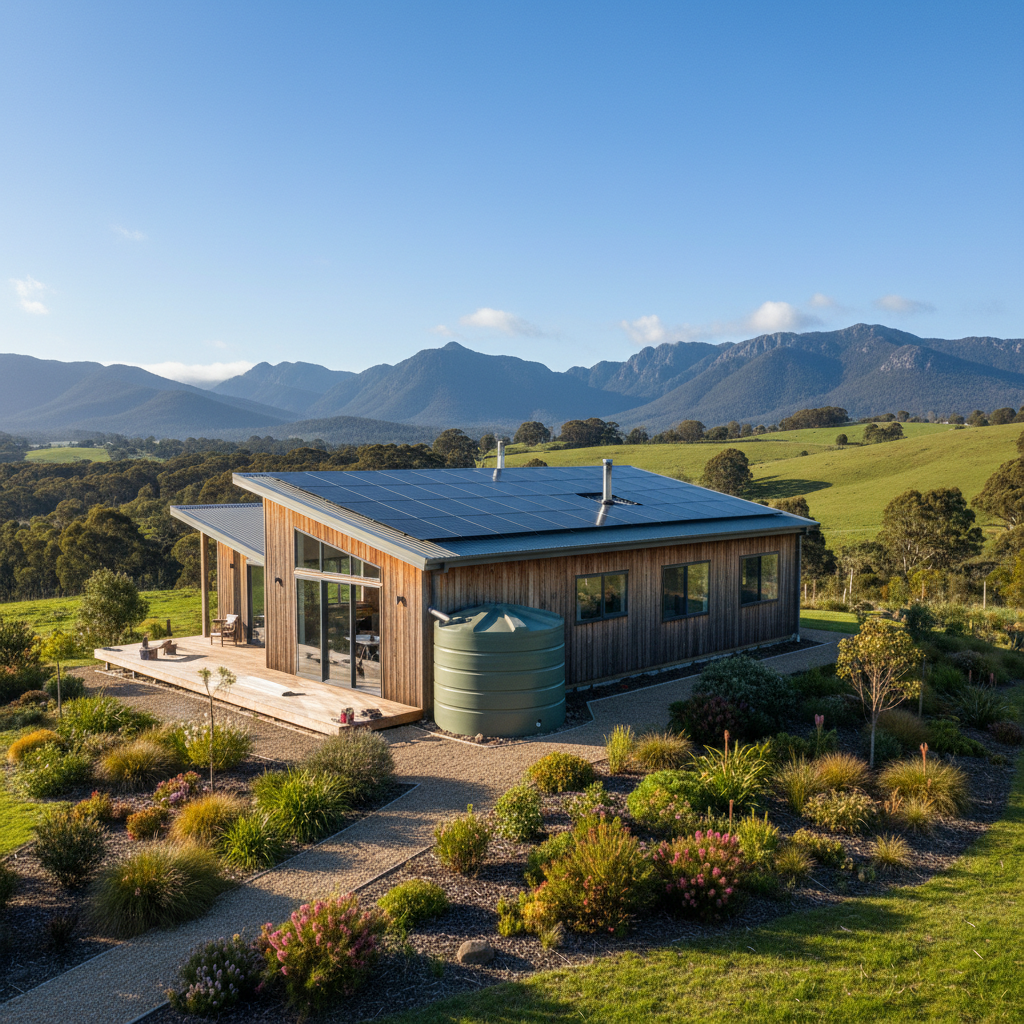
Positioning your main living areas on the northern side is the golden rule for a reason. It lets that low winter sun creep across your floorboards when you actually want the heat, but keep those eaves wide. I reckon a 600mm or even 900mm eave is the smartest money you'll ever spend on a kit. It cuts the high summer sun stone dead before it hits the glass but still lets the winter light in. It’s physics, not magic. If you're looking at a design like the Valley View or something similar with big verandahs, you've already got a head start on this.
Zoning for Airflow and the Venturi Effect
I see it all the time. People pick a floor plan because the kitchen looks nice, but they don't think about how the air actually moves. If you want a house that stays cool without the aircon screaming 24/7, you need path-of-least-resistance airflow. This means aligning windows or doors directly across from each other. But here is the trick most people miss: the exit opening should be slightly larger than the entry opening. It’s called the Venturi effect. It literally pulls the air through the house faster. So, have a smaller window on the side the breeze comes from and a massive sliding door on the other side. Try it. It works.
Think about your internal doors too. If you've got a hallway that acts like a bottleneck, your ventilation dies right there. We often suggest using transom windows (those little hopper windows above internal doors) if you're worried about privacy but still want a cross-breeze. In a steel frame kit, these are easy to frame up during the initial install. Because TRUECORE steel is dead straight, you aren't fighting warped timber when you're trying to fit those fiddly higher frames.
The Glass Trap: Quality Over Quantity
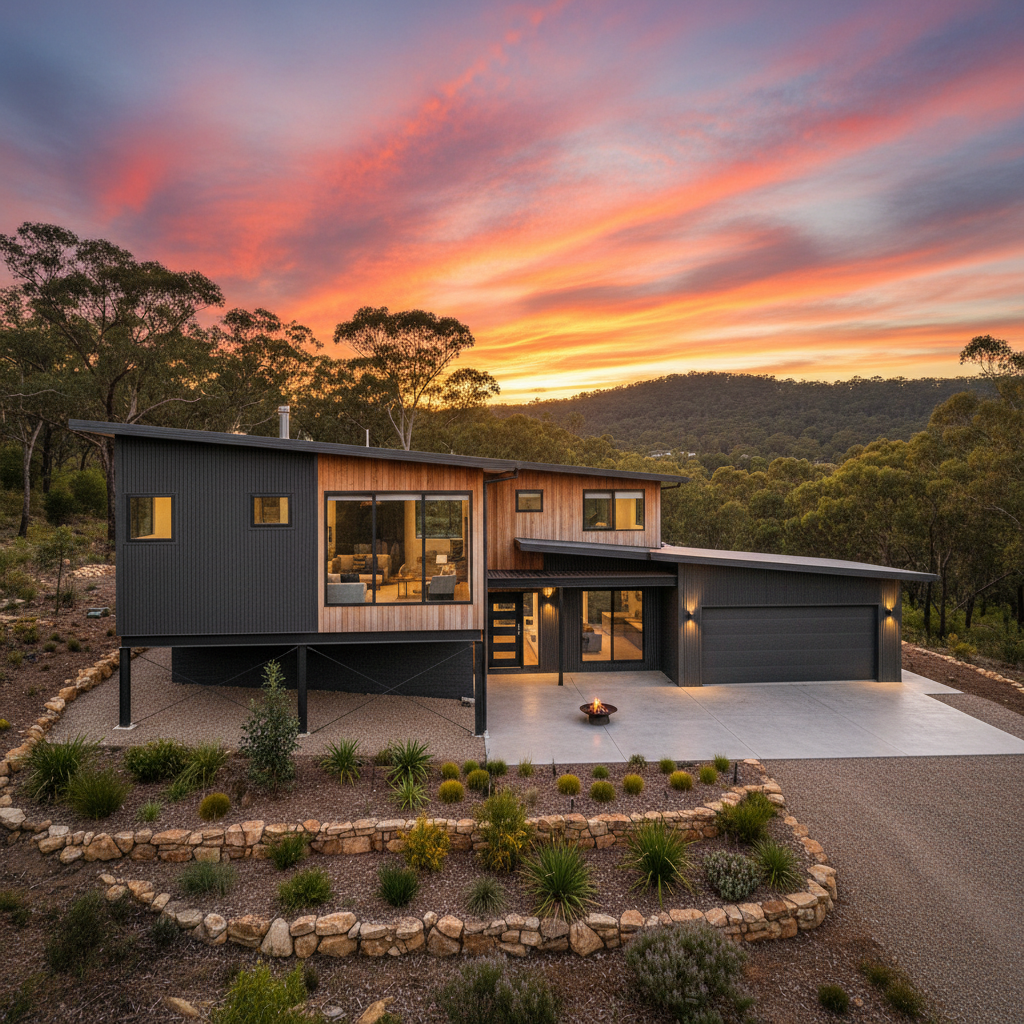
You don't need a glass curtain wall to get a bright house. In fact, too much glass in the wrong spot is a liability in the Aussie climate. I’ve been inside homes in Queensland where they went overboard with the windows and the glare was so bad you had to wear sunnies to eat your breakfast. Not ideal. It's about placement. High-level windows, or Clerestory windows if you want to be fancy, are worth their weight in gold. They let light fetch deep into the back of a room without sacrificing your privacy or your wall space for the telly.
And let's talk about the windows themselves. Most kits come with standard aluminium frames. They're fine. They do the job. But if you're in a spot that gets properly cold, like Cooma or the Blue Mountains, you've got to look at the U-value. Don't let the technical jargon scare you. Lower is better. Low-E glass is a decent middle ground if you can't stretch the budget to double glazing. It’s got a microscopic coating that reflects heat back to its source. Keeps the heat out in Jan and keeps it in during July. Simple.
Thermal Mass and the Slab Connection
Your kit home sits on a footing, usually a concrete slab for most owner-builders. That slab is a giant thermal battery. If you've designed your kit with the right northern exposure, that concrete soaks up the sun's heat all day. Then, when the sun goes down and the temperature drops, it radiates that heat back into the room. But this only works if you haven't covered the whole thing in thick, shaggy carpet. If you want that light to actually do some work, think about polished concrete or tiles in the main sun-drenched areas. It’s about more than just looks. It’s about energy. And because kit homes are light-weight construction (steel and cladding), they don't hold heat like a double-brick oven. This means they cool down fast at night, which is exactly what you want in most parts of Australia.
Don't Forget the Wet Areas
Bathrooms and laundries are often treated as afterthoughts. They get shoved into the dark corners of the floor plan with one tiny window that never gets opened. That is a recipe for mould and a miserable vibe. If you can, get a skylight into your ensuite. There are some brilliant solar-tube options these days that don't involve cutting massive holes in your roof trusses. Seeing natural light while you're brushing your teeth makes the space feel twice as big. Plus, it saves you flicking the light switch on at midday. Every little bit helps when you're managing your own build and trying to keep long-term costs down.
Practical Tips for the Owner-Builder
- Check your BAL (Bushfire Attack Level) rating before you fall in love with a specific window style. High BAL ratings require toughened glass and specific mesh screens that can change the look and cost.
- Louvres are brilliant for ventilation, especially in tropical climates, but they are rubbish for sealing out the cold. If you're down south, stick to awning or casement windows for a better seal.
- Position your outdoor living areas where they won't block all the light from your main indoor zones. A massive patio roof is great for a BBQ, but it can make your kitchen feel like a cave if you aren't careful.
- Think about the height of your windows. A window that goes right down to the floor lets in heaps more light and makes the room feel connected to the backyard.
Wrapping It Up
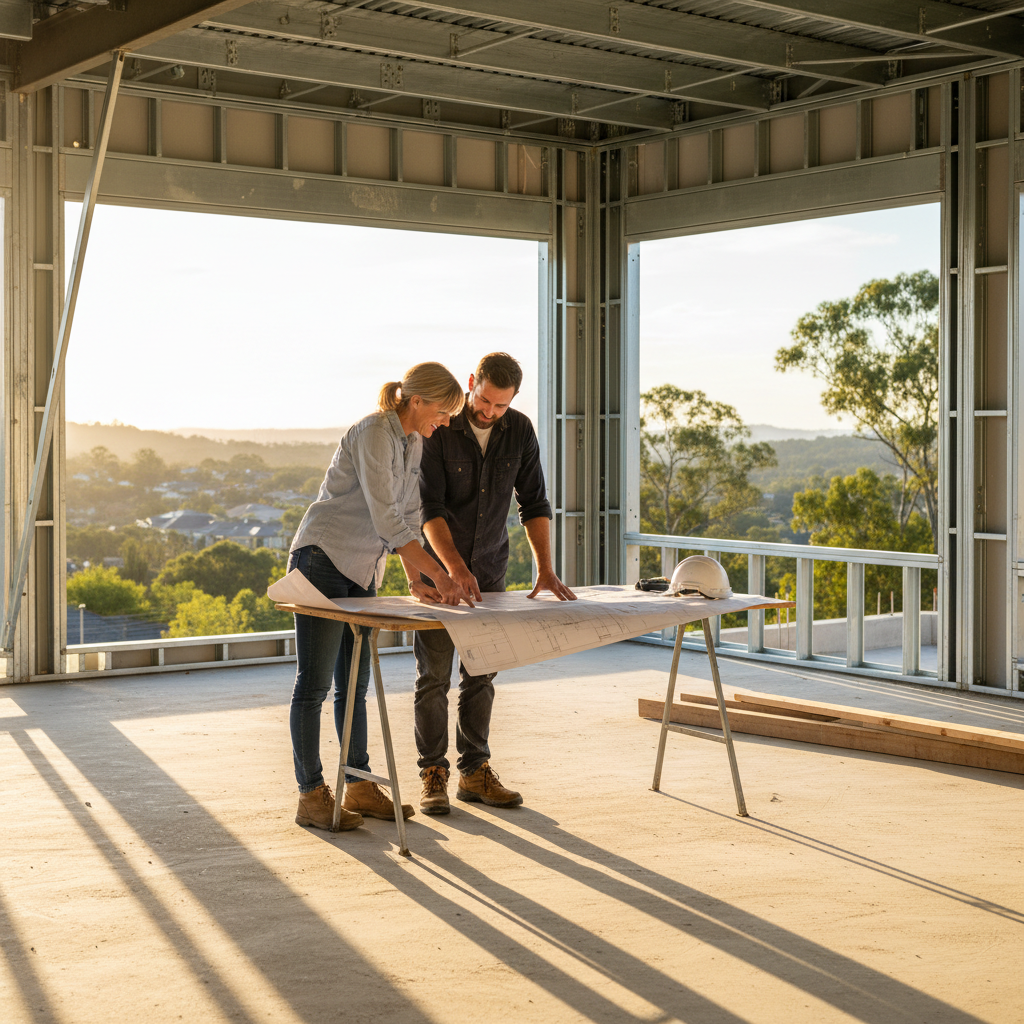
At the end of the day, you're the one who has to live in the thing. Don't let a generic floor plan dictate how you live. Move a window. Swap a solid door for a glass one. Increase your eave depth. When you're working with a kit, you've got the flexibility to make these calls during the planning stage. Get it right on paper first and the rest follows. You want a house that breathes with the landscape, not one that fights it.