Bringing the Great Australian Outdoors Inside
There is something uniquely Australian about a home that feels like it breathes. Whether you are building on a bushy block in the hinterland or a suburban lot, the way your home interacts with the sun and the breeze can make the difference between a house and a sanctuary. When you choose to go down the kit home path, you are not just getting a structural package, you are getting the freedom to position and design your home to capture the best of our beautiful climate.
Designing for natural light and ventilation is about more than just a pretty view. It is about wellness, comfort, and creating a space that feels larger than its footprint. In this guide, we will walk through the practicalities of passive design, showing you how to work with your kit home layout to maximize every ray of sunshine and every cooling afternoon breeze.
The Power of Orientation: Setting the Foundation
The most important decision you will make as an owner-builder happens before the first steel frame is even bolted together. Orientation is the art of placing your home on your site to take advantage of the sun's path and prevailing winds. In Australia, the 'Golden Rule' is to orient your main living areas towards the north.
By placing your lounge, dining area, and kitchen on the northern side of the house, you allow the low winter sun to penetrate deep into the home, providing natural warmth when you need it most. In summer, the sun is higher in the sky, meaning a well-planned eave or awning can easily block that harsh heat while still keeping the interior bright. If you position your kit home poorly, you might find yourself living in a dark cave in winter or a hot box in summer, regardless of how many windows you have.
Assess Your Site's Micro-Climate
Every block of land has its own personality. Spend some time on your site at different times of the day. Where does the morning sun hit? Where do the afternoon northeasterlies come from? Talk to your neighbors about how the wind moves through the area. Understanding these patterns allows you to tweak your kit home floor plan to suit the specific environment of your Australian property.
Clever Window Placement for Maximum Impact
Windows are the lungs and eyes of your home. When reviewing your kit home design, look at the size and placement of every opening. While it is tempting to put massive windows everywhere, strategic placement is often more effective than sheer volume.
The Magic of Highlight and Clerestory Windows
If you have a wall that faces a fence or a neighbor's driveway, you might be tempted to keep it solid for privacy. However, high-level windows (often called highlight or clerestory windows) are a fantastic way to let light stream across the ceiling without sacrificing your seclusion. Because light bounces off the ceiling and reflects down, these windows can make a standard room feel incredibly airy and bright.
Creating Sightlines
To make your kit home feel more spacious, align your windows and doors to create long sightlines. If you can stand at your front door and see all the way through the house to the backyard, the home will feel significantly larger. Using glass sliding doors or large fixed-pane windows at the end of hallways can transform a functional space into a design feature.
Mastering Cross-Ventilation
Australia is famous for its 'Southerly Busters' and coastal breezes. Capturing these is the key to a comfortable home without relying constantly on air conditioning. Cross-ventilation works on a simple principle: high pressure on one side of the house and low pressure on the other. This creates a vacuum effect that pulls air through the building.
To make this work in your kit home, you need openings on opposite or adjacent walls. A single window in a room will let some air in, but it won't move the air. By placing a second window or a door across from the first, you create a clear path for the breeze. For the best results, try to place these openings in the path of the prevailing summer winds in your specific region.
Louvres: The Owner-Builder’s Best Friend
In many Australian kit home designs, louvre windows are a popular choice for good reason. Unlike standard sliding windows which only ever allow 50 percent of the opening to be clear, louvres allow for 100 percent airflow. They can be angled to catch a breeze and funnel it inside, and they can remain open during light rain, keeping your home fresh even during a summer storm.
The Role of Ceiling Heights and Open Spaces
Heat rises. It is a simple law of physics that we can use to our advantage. Kit homes designed with higher ceilings feel cooler because the warmest air sits well above your head. If your kit includes a pitched roof or raked ceilings, you have a golden opportunity to incorporate venting. Raising the ceiling in your main living hub not only adds a sense of luxury but also allows more room for larger windows to bring in that precious natural light.
Open-plan living is another hallmark of the modern Australian kit home. By minimizing internal walls between the kitchen, dining, and living areas, you allow light to flood through the entire zone. It also means that a breeze entering from the back deck can travel all the way through to the front of the house without being blocked by partitions.
Reflecting Light with Interior Choices
Once your kit home is standing and the steel frames are clad, your internal fit-out choices will play a massive role in how the light behaves. As an owner-builder, you have total control over your finishes. To maximize brightness, consider the following:
- Light Internal Paint: Pale colors reflect light, while dark colors absorb it. Whites, light greys, and creams will bounce sunlight into the darker corners of a room.
- Flooring Materials: Polished concrete or light-colored timber can help reflect light. If you are using a slab on ground, the thermal mass of the concrete can help regulate temperatures if it is hit by direct winter sunlight.
- Mirrors and Glass: Strategically placed mirrors opposite windows can effectively 'double' the amount of light in a room.
Don't Forget the Insulation
Light and air are wonderful, but you also need to manage the heat that comes with them. High-quality insulation is an essential part of any kit home package. It acts as a barrier, keeping the heat out in summer and the warmth in during winter. When you have large glass areas to capture light, ensure you are using quality window seals and perhaps look into performance glass or double glazing to ensure your 'light-filled' home stays thermally efficient.
Outdoor Living as an Extension of the Home
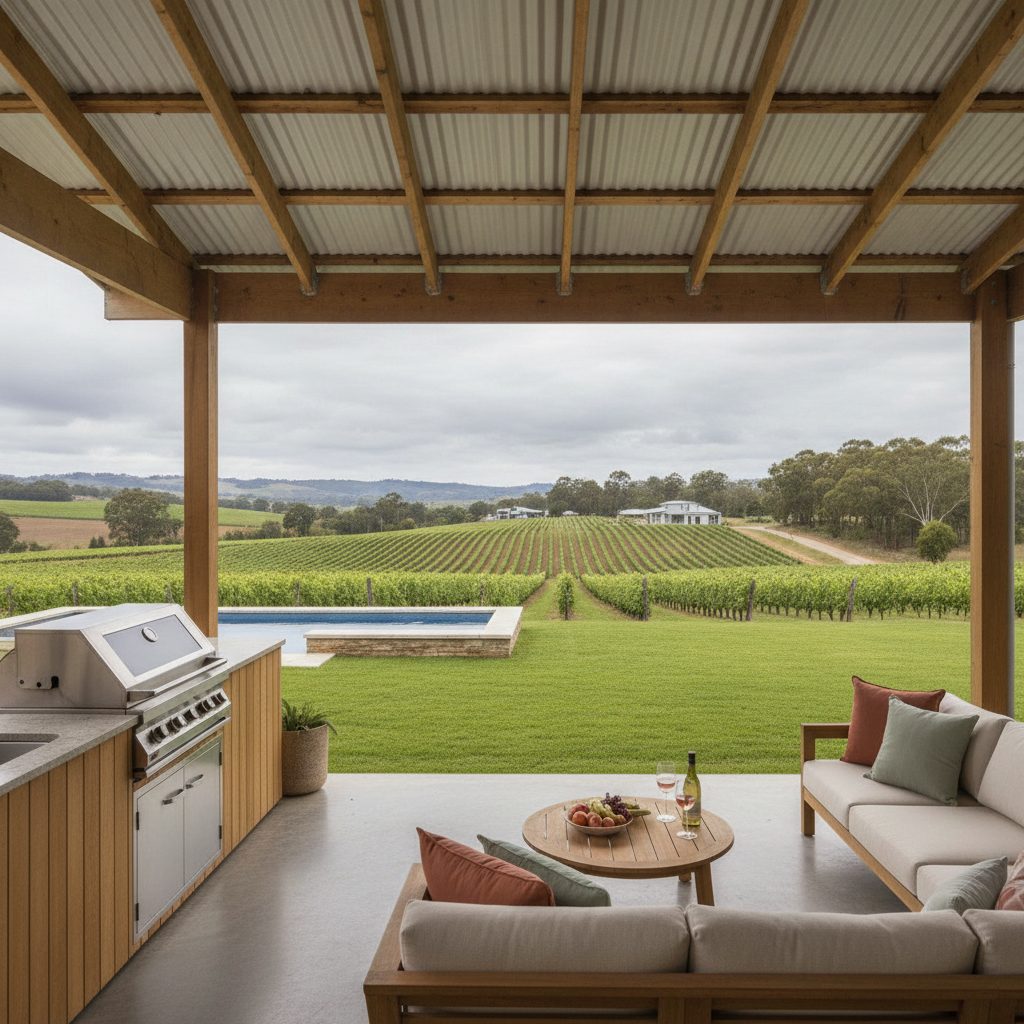
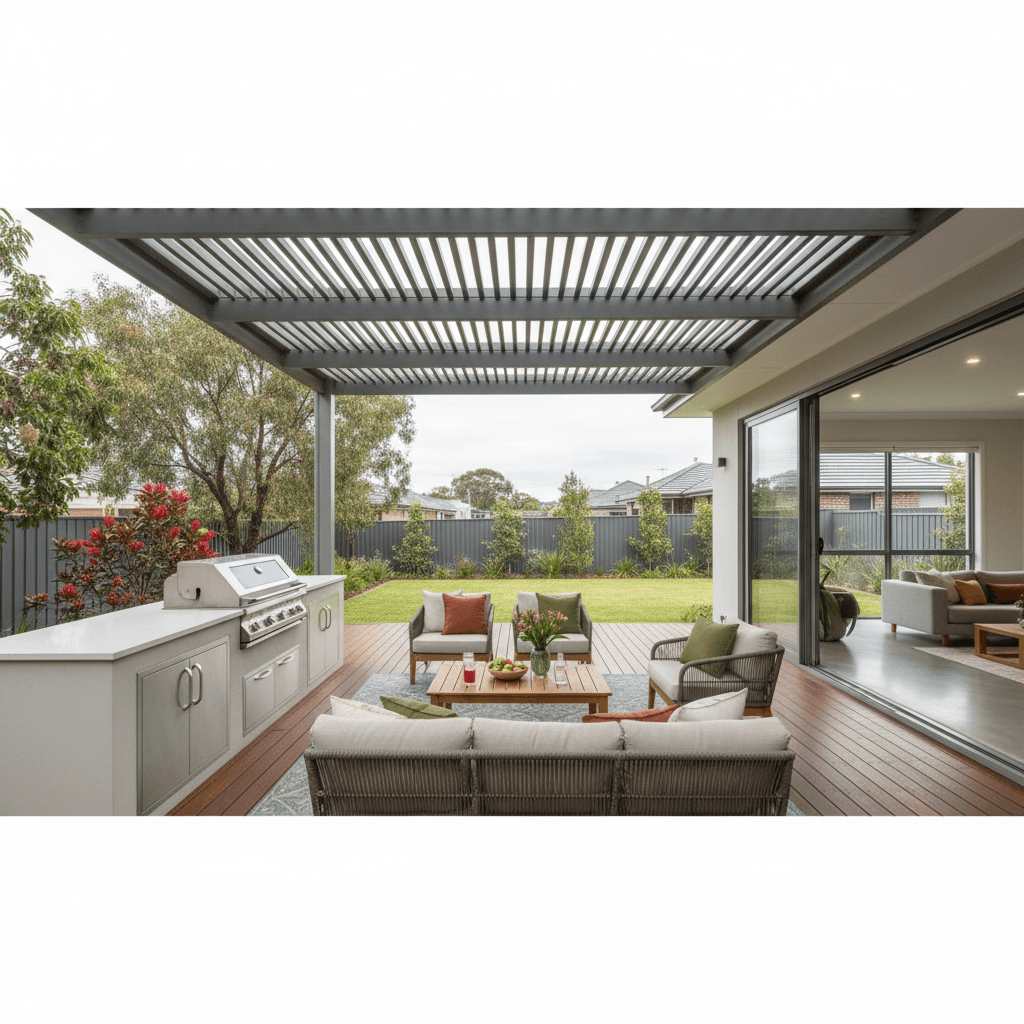
In Australia, we don't just live in our homes, we live around them. Integrating a large deck or verandah into your kit home design does more than just give you a spot for the BBQ. Large alfresco areas provide shade to the walls of the house, preventing the sun from hitting the glass directly in the heat of the day. This 'buffer zone' allows you to keep your large glass doors open to catch the breeze while remaining protected from the elements.
Practical Tips for Your Kit Home Journey
If you are currently in the planning stages, here are a few quick tips to keep in mind:
- Check your eaves: Ensure your design has adequate eave depths. They are the simplest and most effective way to manage solar gain on northern walls.
- Internal Doors: Consider using glazed internal doors or even cavity sliders that can stay open. This allows light to move between rooms even when you need the doors closed for noise control.
- Landscape for light: Deciduous trees planted on the northern side of your home are nature's blinds. They provide shade in summer but drop their leaves in winter to let the sun through.
- Vertical Vents: In two-storey kit homes, consider a void or an open stairwell. This creates a 'stack effect' where hot air rises and escapes through upper-level windows, pulling cool air in from the ground floor.
Conclusion
Building a kit home in Australia offers an incredible opportunity to create a space that is perfectly tuned to our unique environment. By focusing on orientation, smart window placement, and the simple laws of airflow, you can create a home that feels bright, breezy, and effortlessly comfortable. Remember, a well-lit and well-ventilated home isn't just about saving on energy, it is about the feeling you get every morning when the sun hits your kitchen bench and the afternoon breeze rolls through the house. Happy building!