Creating a Brighter, Airier Home in the Lucky Country
When you sit down to plan your kit home journey, it is easy to get caught up in floor plans, kitchen finishes, and the high-strength benefits of your BlueScope steel frames. While those elements are vital, there is one factor that will define how your home actually feels to live in every single day: the way it interacts with the sun and the breeze. In the Australian climate, getting your natural light and ventilation right is the difference between a house that feels like a sanctuary and one that feels like a hothouse.
In this guide, we are looking at practical kit home tips to help you master passive design. Whether you are building on a leafy block in the Hinterland or a coastal strip in Western Australia, these strategies will help you create a bright, breezy, and energy-efficient home without needing to rely on the air conditioner 24/7.
1. The Power of Orientation: Follow the Sun
The single most important decision you will make Happens before the first steel frame is even bolted together. Orientation refers to how your home sits on your land in relation to the sun. In Australia, the golden rule is to orient your main living areas and largest windows toward the north.
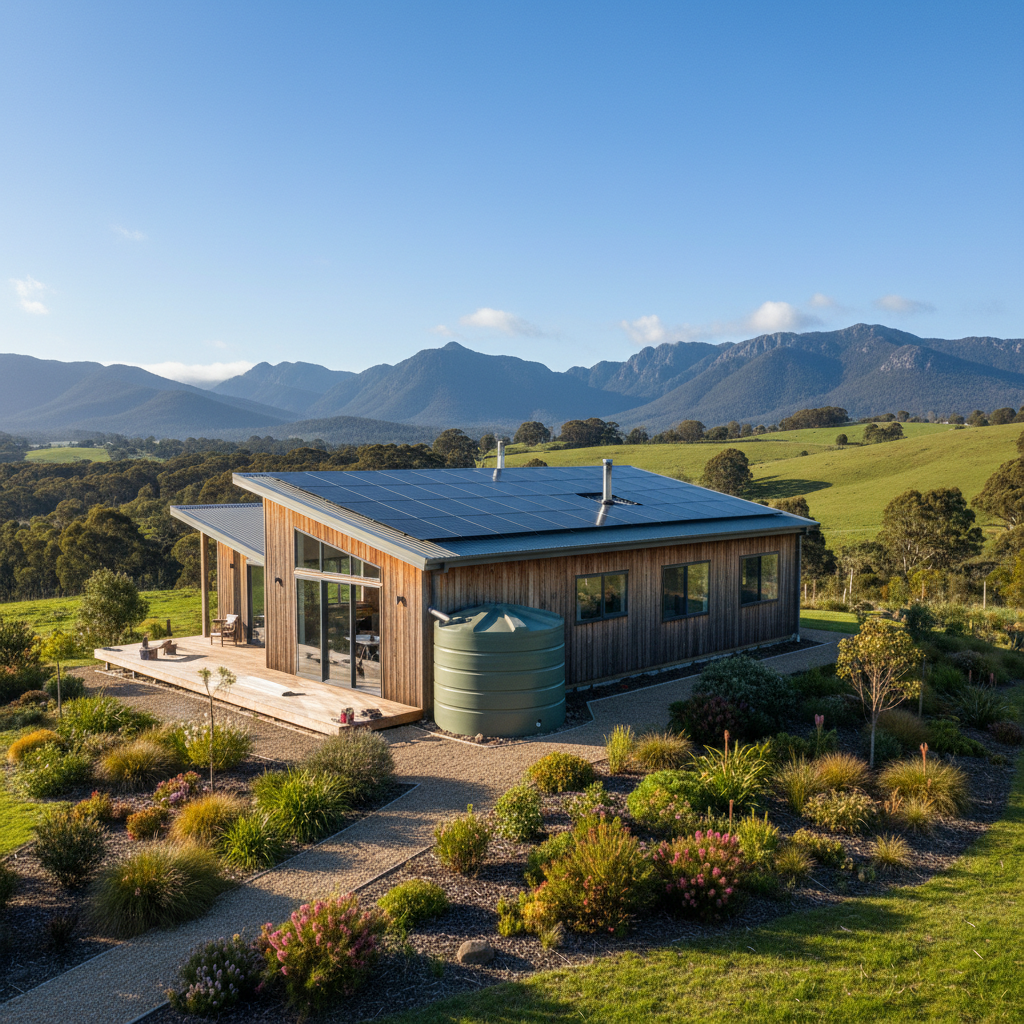
Why the north? In the southern hemisphere, the northern sun is your best friend. In winter, the sun sits lower in the sky, allowing warmth to penetrate deep into your home. In summer, the sun is high and overhead, making it much easier to block out with simple eaves or awnings. By placing your lounge, dining, and kitchen areas on the northern side of your kit home, you ensure they are bathed in natural light year-round.
Practical Tip for Owner-Builders:
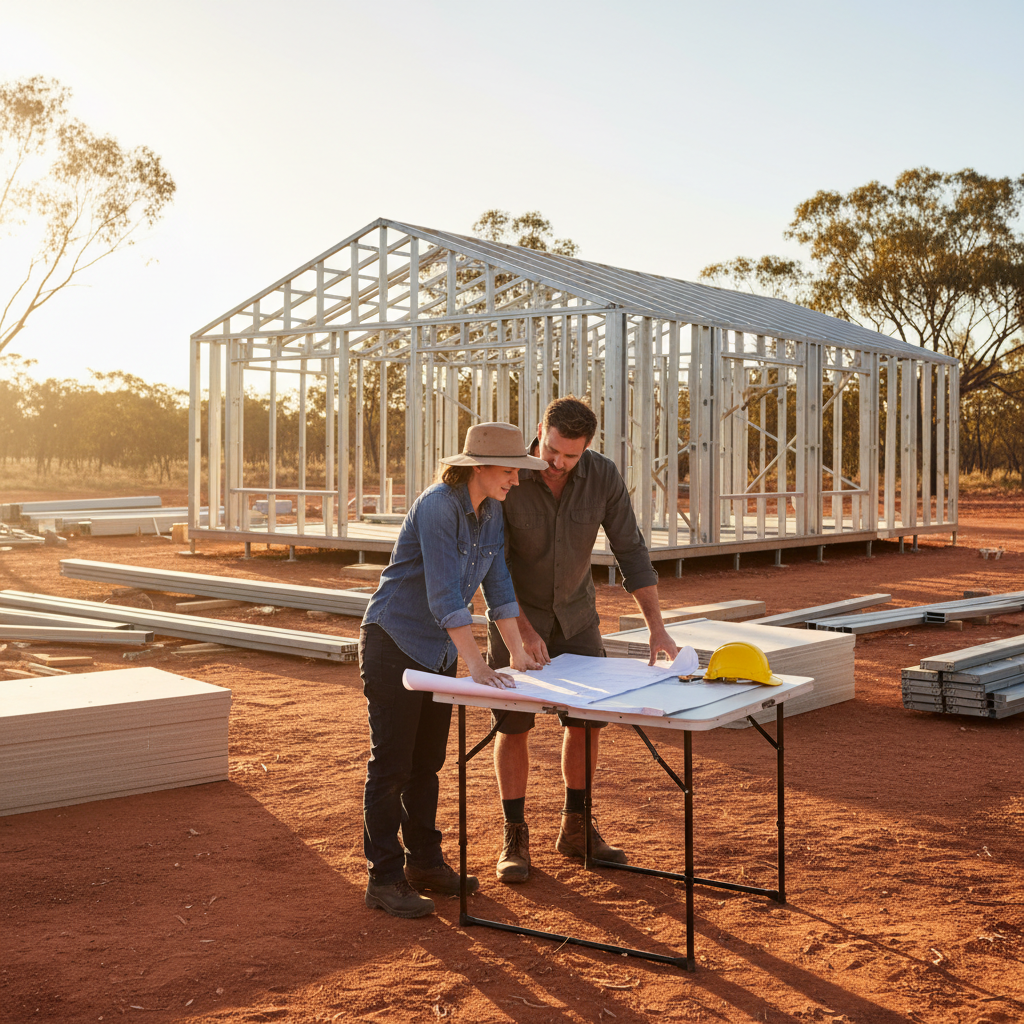
Spend a few hours on your block at different times of the day before finalized your site plan. Note where the shadows fall and where the morning light hits. This simple observation can save you years of living in a dark, cold living room.
2. Cross-Ventilation: Capturing the Australian Breeze
Airflow is the secret ingredient to a comfortable Australian home. Cross-ventilation occurs when you have openings on opposite or adjacent sides of a room, allowing a breeze to enter one side and push out the warm, stale air through the other. This creates a natural cooling effect that is far more pleasant than a mechanical fan.
When selecting your kit home design, look for layouts that allow for straight paths of airflow. If your home is deep, consider using internal doors with highlight windows or open-plan designs that do not block the path of the wind. Since kit homes often feature strong steel frames that allow for wide, open internal spans, you have a unique opportunity to create large, unobstructed spaces that breathe beautifully.
3. Window Selection and Placement
Windows are more than just glass in a wall, they are your portals for light and air. In a kit home, you usually have the flexibility to choose where your windows go and what style they are. Here are a few things to consider:
- Louvre Windows: These are the champions of ventilation. They provide almost 100 percent of the window's opening area for airflow and can be adjusted to catch even the slightest breeze.
- Clerestory Windows: These are high, narrow windows placed near the roofline. They are perfect for letting out rising hot air and bringing light into the center of a large floor plan where side windows cannot reach.
- Awning Windows: Because they open outward from the bottom, these can often be left open during a light sun shower, allowing you to keep the house cool even when it is raining outside.
4. The Role of Insulation and Shading
Natural light is great, but in a harsh Australian summer, you need to manage the heat that comes with it. This is where your insulation and external shading work together. Your kit home usually comes with high-quality insulation, but you can boost its effectiveness with smart design choices.
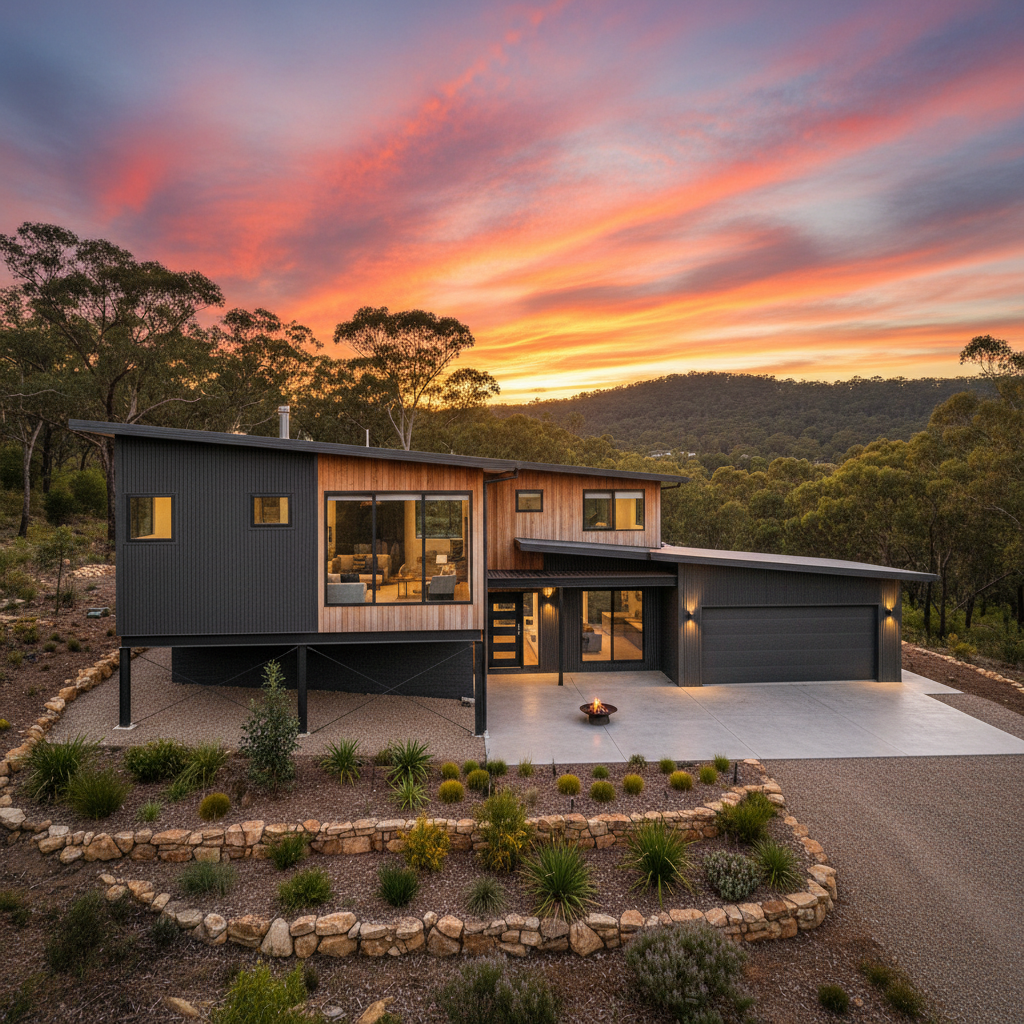
Large eaves are a classic Australian design feature for a reason. They provide shade to your windows during the hottest parts of the day while still allowing light in. You might also consider external shading devices like batten screens or deciduous trees. A deciduous tree is a natural climate control system: it provides thick shade in the summer and drops its leaves in the winter to let the sun warm your home.
5. Using Color and Reflective Surfaces
If you are building in a particularly shaded area or on a smaller block where large windows are not an option, you can maximize the light you do have through savvy interior choices. Light-colored walls, polished concrete or light timber floors, and mirrors can bounce natural light around a room, making it feel twice as bright.
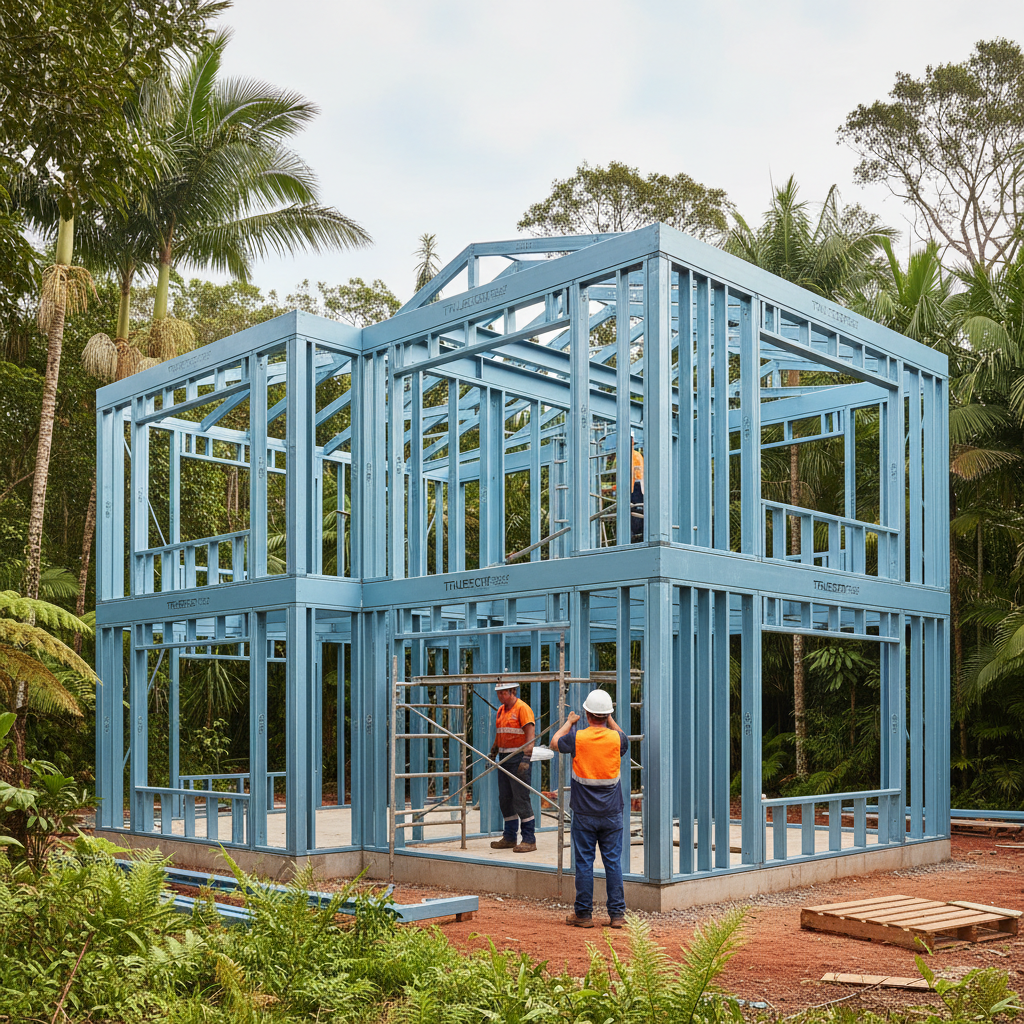
Consider the color of your roofing and cladding as well. Lighter-colored steel roofing reflects more solar radiation, which helps keep the roof cavity cooler and prevents heat from radiating down into your living spaces. When you use TRUECORE steel frames and quality cladding, you have a solid foundation, but the colors you finish them with will dictate the thermal performance of the building.
6. Planning for Your Specific Micro-Climate
Australia is a massive country with vastly different climates. A kit home designed for the humid tropics of North Queensland needs a different approach to one built in the dry, windy plains of regional Victoria.
For tropical builds, prioritize high ceilings and maximum ventilation. For cooler southern climates, focus on capturing that northern sun and using thermal mass, such as a concrete slab, to hold onto the heat during the day and release it at night. Talk to your kit provider about how to adapt the standard designs to suit your specific local conditions. They often have experience with a range of environments and can suggest tweaks that make a huge difference.
7. The Benefits of Open-Plan Living
Most modern kit homes utilize open-plan layouts. From a light and air perspective, this is a major win. Fewer internal walls mean fewer obstacles for light to travel through the home and fewer barriers for the breeze. The structural integrity of steel frames allows for these wide, open spaces without the need for numerous bulky load-bearing internal walls, giving you a blank canvas to create a home that feels expansive and connected to the outdoors.
8. Thinking About the Night-Purge Effect
In many parts of Australia, the temperature drops significantly at night even after a scorching day. You can use this to your advantage through a technique called "night purging." By strategically opening windows on opposite ends of the house once the sun goes down, you can flush out the stored daytime heat and replace it with cool night air. This effectively resets your home for the next day. Security screens are a must here, so you can leave windows open safely throughout the night.
Final Thoughts for the Owner-Builder
Building your own kit home is an empowering experience, but it requires active participation in the design phase to get the best results. Do not view your kit home as a static box. View it as a living structure that needs to breathe and respond to its environment.
By focusing on orientation, choosing the right window styles, and ensuring your layout encourages airflow, you will create a home that is not just a place to live, but a space that enhances your well-being. A bright, well-ventilated home is healthier, cheaper to run, and much more enjoyable for the whole family. Take the time to plan your light and breeze, and your kit home will reward you for decades to come.
Remember, while the steel frames provide the strength and the cladding provides the protection, it is the invisible elements (the sun and the wind) that provide the soul of your new home. Happy building!