The Myth of the Weekend Project
Most blokes and wonder-women think they'll knock over a kit home during their annual leave. They see the delivery truck arrive with those neat stacks of BlueScope steel frames and reckon it’s basically Lego for adults. It isn't. I've spent fifteen years watching owner builders succeed and fail, and the difference usually comes down to a tattered clipboard or a digital folder full of mess. If you don't have your ducks in a row before that truck pulls into your driveway, you’re in for a world of hurt. You need to be the foreman, the logistics manager, and the cleaner all at once. It’s hard work, but it’s doable if you stop treating it like a hobby.
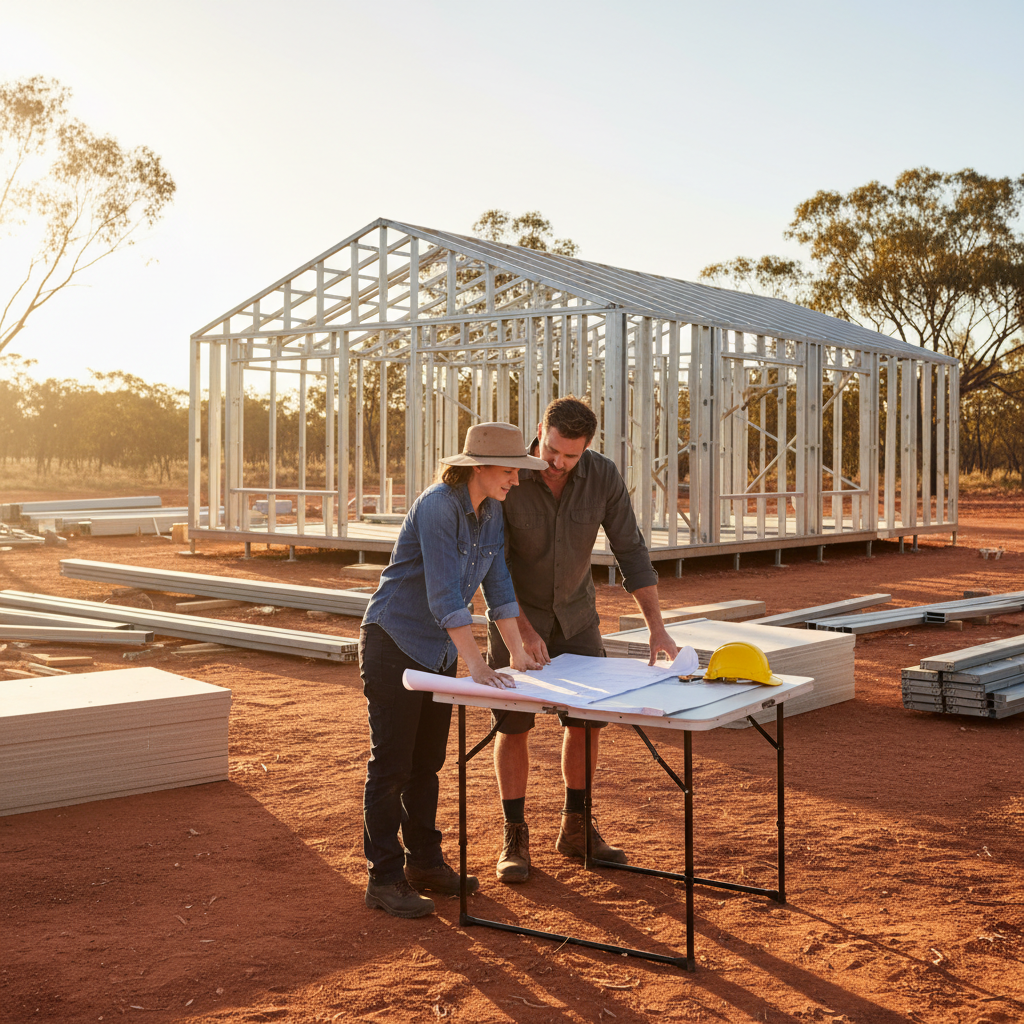
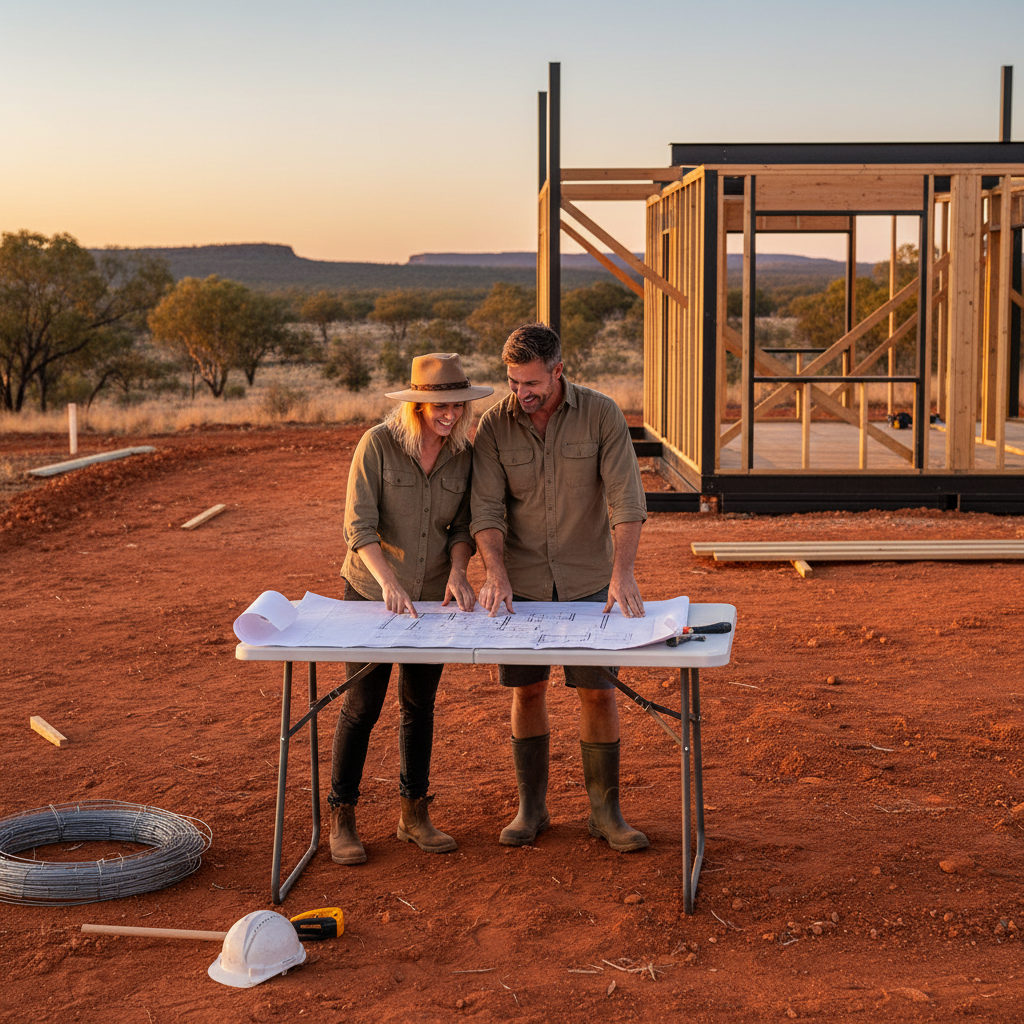
The first mistake is thinking the build starts when the slab goes down. Wrong. The build starts when you're sitting in your current kitchen at 9pm, nursing a lukewarm coffee, and staring at your local council's Development Application (DA) requirements. You need a system. I don't care if it's a high-end project management app or a thick ring binder from the newsagent, but you've got to document every conversation, every quote, and every delivery docket. When a sparked shows up and asks where the GPO layout is, 'I think it's in the car' isn't an answer. It's a delay that costs you money.
Mastering the Site File
Real owner builders keep a site file that would make an auditor weep with joy. In Australia, we deal with specific bushfire attack levels (BAL) and wind ratings that dictate exactly what goes into your kit. If you're building in a BAL-29 zone, you can't just swap out a window because you saw a cheap one on Facebook Marketplace. Your kit home provider has engineered those frames and specified those windows to meet AS 3959. Keep your engineering certifications right at the front of your folder. You'll need them for the building certifier, and you'll definitely need them when you're trying to figure out which TRUECORE steel member goes where during a windy Tuesday arvo in Gippsland.
Plus, you need a section for your trades. Plumbers and sparkies are busy. If you tell them you'll be ready for rough-in on Monday and you haven't even finished the wall frames, they won't come back for three weeks. Your reputation as a competent owner builder matters. Keep a calendar that everyone can see. Write down when the concrete is booked, when the kit is arriving, and when you expect the roof plumbing to start. And then be prepared for it all to change because it rained for four days straight.
The Staging Area Strategy
When the kit home components arrive, it's a massive amount of gear. We're talking roofing, cladding, insulation batts, windows, and doors. If you just let the driver crane it off wherever there's a flat spot, you've already lost. I've seen it happen. A bloke gets his kit delivered, lets the driver drop the windows right in front of the stack of wall frames, and then has to move forty heavy windows by hand just to get to the steel he needs first. It’s a joke.
Plan your site layout like a game of chess. 1. Primary steel frames should be closest to the slab. 2. Roofing and cladding should be tucked away under a tarp until the skeleton is up. 3. Windows and doors need a secure, flat, and dry area where they won't get smashed by a stray piece of timber. 4. Keep a dedicated space for waste. A messy site is a dangerous site, and it makes finding your footing brackets a nightmare.
Steel Frames: Why They Save Your Sanity
I reckon steel is the only way to go for an owner builder. Because steel frames come pre-punched for your electrical and plumbing services, you aren't spending three days with a hole saw trying to figure out where the pipes go. Everything is straight. Everything is true. In the Aussie sun, timber can twist and warp if it sits on the ground too long. Steel doesn't care. It’s termite-proof too, which is a massive weight off your shoulders if you're building anywhere from the sunshine coast down to the Mornington Peninsula. Using TRUECORE steel means you're working with a product that's been tested for our conditions, but don't get cocky. You still need to follow the assembly layout to the millimetre. One piece out of square at the start means the whole roof won't line up at the end.
The Trade Management Tightrope
You aren't just a builder; you’re a recruiter. Finding trades who are willing to work with an owner builder can be a challenge. Some blokes reckon it's more trouble than it's worth because they've dealt with amateurs who don't know a hawk from a handsaw. When you call a trade, be professional. Have your plans ready to email. Know your site's access issues. Ask them specifically about their experience with steel frame kit homes.
When they're on site, stay out of their way but be available. Don't be the person who hovers over their shoulder while they're trying to wire a switchboard. But do be the person who has the site clean, the coffee pod machine ready, and a clear set of instructions for where you want the external taps. Small things like having a clean portable toilet on site go a long way in getting trades to show up on time and do a good job. It sounds basic, but you'd be surprised how many people forget the basics.
Handling the Paperwork Trail
Being organized isn't just about the physical build. It's about the compliance. In Australia, the NCC (National Construction Code) Volume 2 is your bible. You need to make sure every stage of the build is inspected and signed off by a building surveyor or certifier. Don't cover up your frames with insulation and cladding until they've been inspected. If you do, the certifier will make you rip it all off. That’s a mistake you only make once, usually because it costs thousands and makes you want to cry.
Keep a digital log of photos. Every time a pipe goes into the ground or a bracket is bolted down, take a photo. It’s your insurance. If a dispute happens later or you need to prove where a cable runs, you can just swipe through your phone. Label your folders by stage: 'Site Prep', 'Sub-floor', 'Framing', 'Lock-up'. It saves you hours of scrolling when you're trying to show the plumber where the waste line is hidden under the slab.
Safety is Part of the Schedule
You can't finish the house if you're in a hospital bed. Site safety is often the first thing owner builders ignore because they're in a rush. Don't be that person. Invest in a proper first aid kit, wear your PPE, and if you're working at heights on the roof of your kit home, get the right scaffolding or edge protection. It's not just about the law; it's about making sure you actually get to live in the house you're building. Every morning, spend five minutes just walking around the site. Pick up the offcuts, check for trip hazards, and make sure your tools are in good nick. It keeps your head in the game.
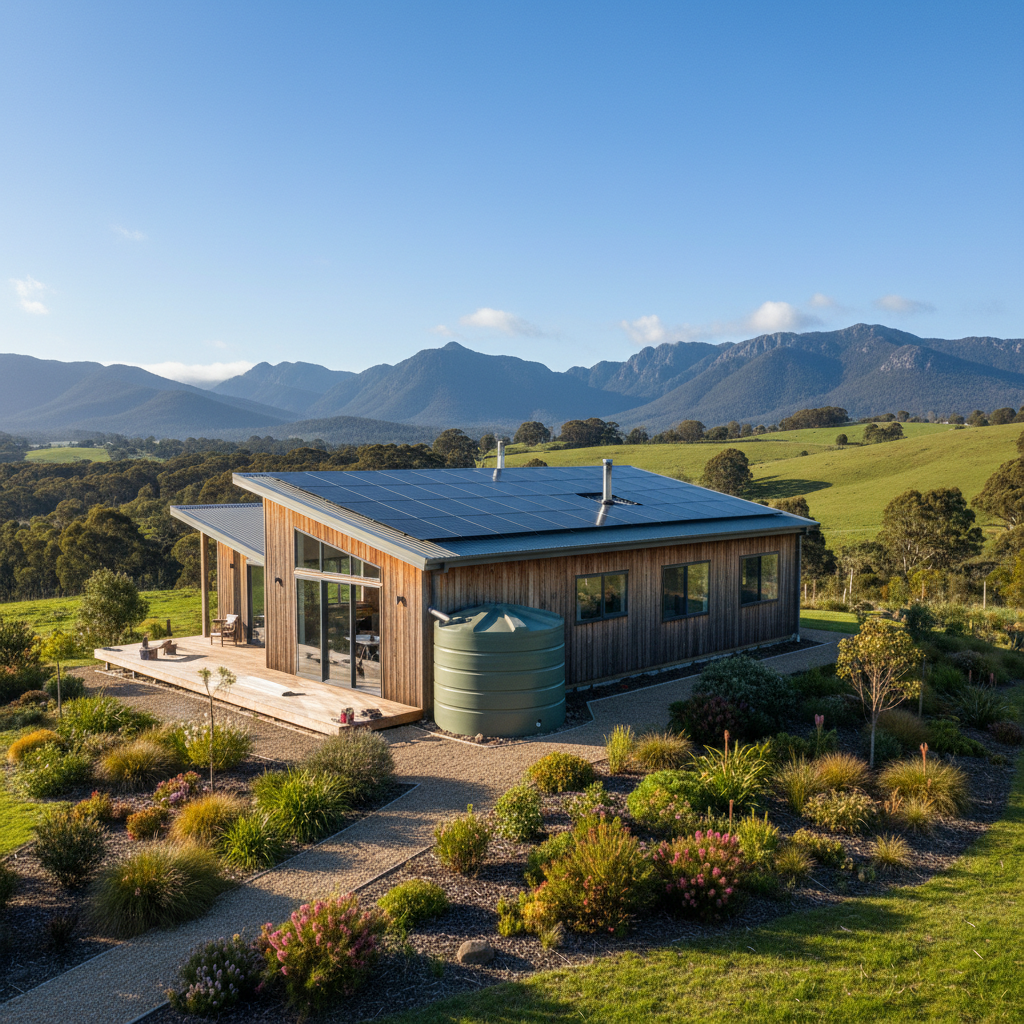
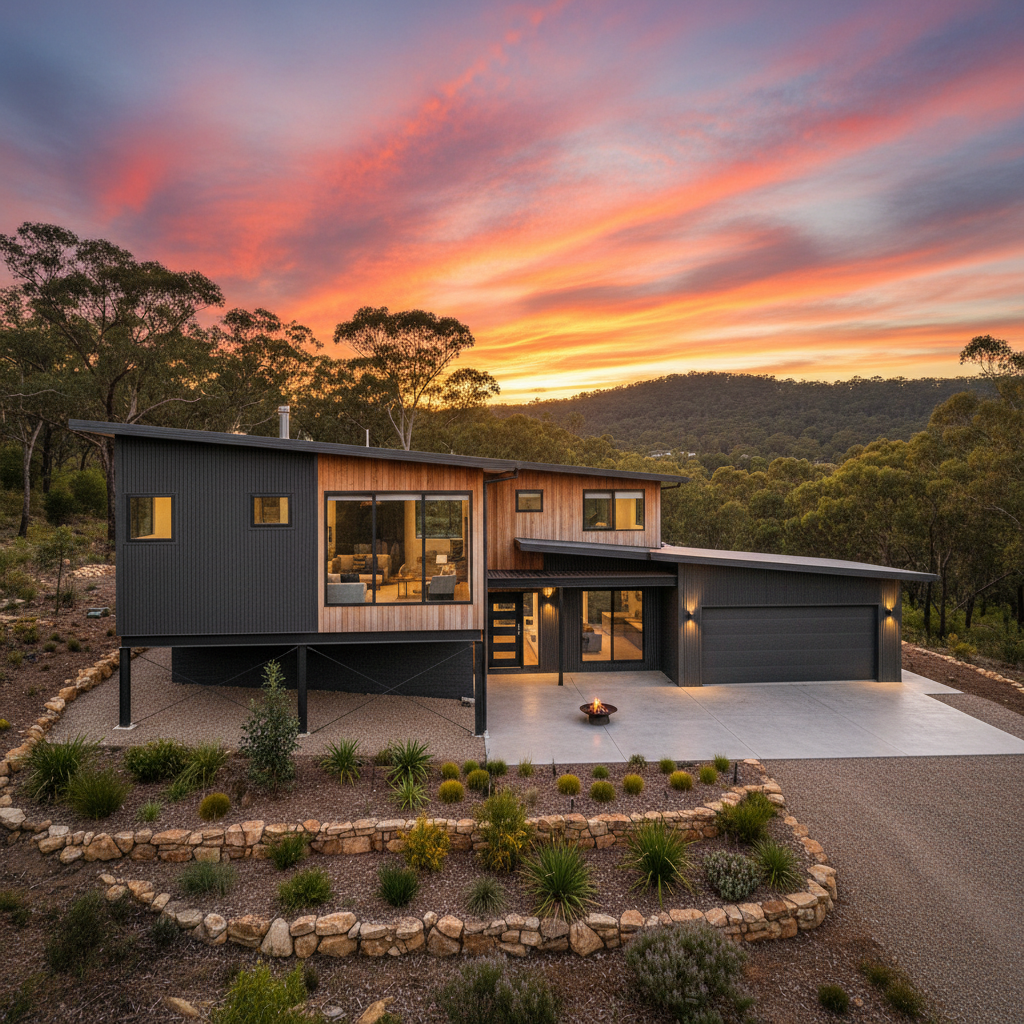
The kit home route is a cracking way to get into the market and own your own place without a massive builder's margin. But it requires discipline. You're the boss. Act like it. Plan your deliveries, manage your trades with respect, and keep your site file updated every single day. When you finally sit on that deck with a cold drink, looking at a house you managed yourself, you'll realize the paperwork was just as important as the power tools. Get your systems sorted early, keep your site clean, and don't be afraid to ask your kit supplier for technical advice when something doesn't look right. We've seen it all before, and we'd rather you ask a 'stupid' question than make an expensive mistake.