Making Your Mark on Your Future Home
There is a common misconception that choosing a kit home means settling for a cookie-cutter house that looks exactly like your neighbor's. In reality, the modern kit home landscape in Australia is incredibly flexible. While the structural bones of the home, often high quality steel frames, provide the necessary stability, the way you distribute the space within those bones is where your personality shines through.
The beauty of the owner-builder journey is the ability to influence your living environment from the ground up. Whether you are building on a sprawling bush block in the Adelaide Hills or a coastal lot in Queensland, your home should be a reflection of how you actually live. This guide explores how to tweak, adjust, and reimagine your kit home design to suit your specific lifestyle needs.
1. Consider Your Site's Natural Assets
Before you even look at a floor plan, go and stand on your block of land at different times of the day. The most successful kit home projects are those that respect the orientation of the sun and the direction of the local breeze.
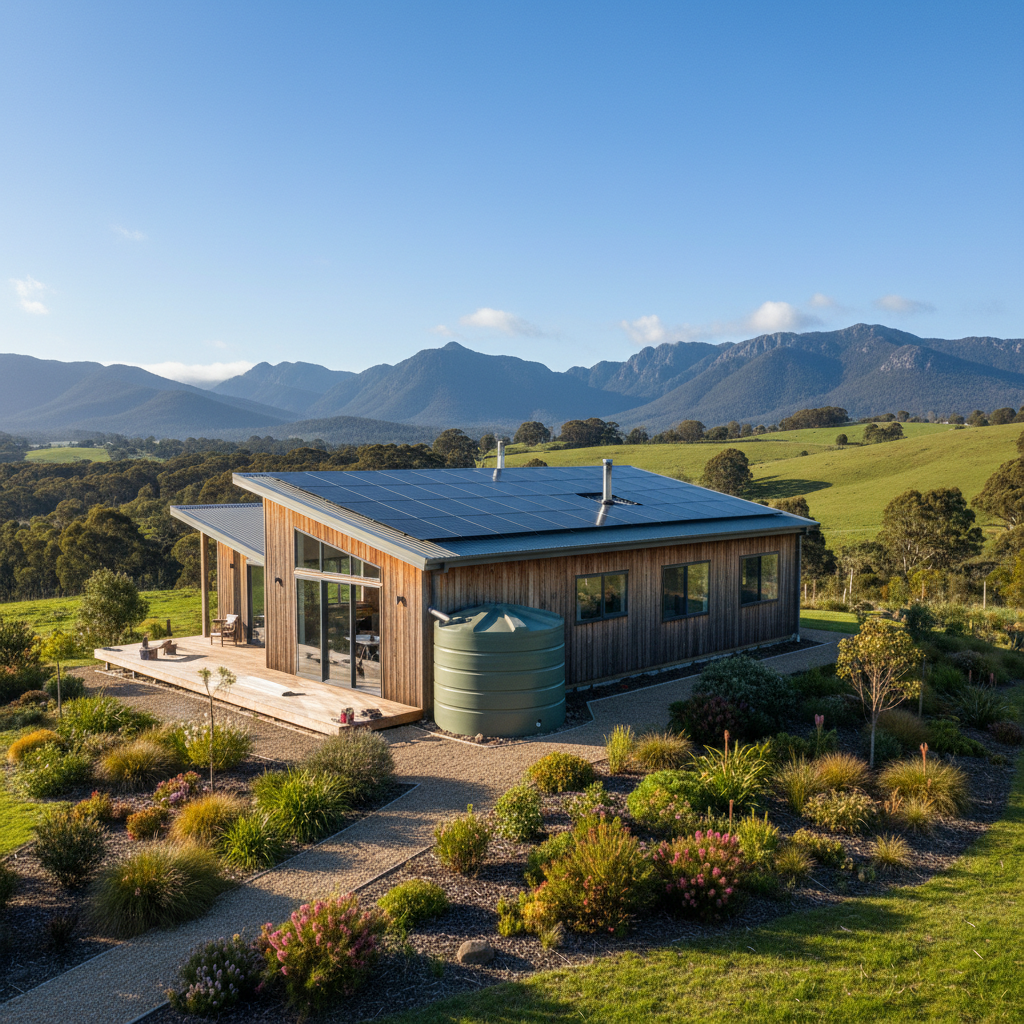
In Australia, north-facing living areas are the gold standard. When you are customizing your kit, look at moving your main living zones, like the kitchen and lounge, to the northern side of the building. This allows you to soak up the winter sun, keeping the home warm naturally, while eaves can block out the harsh summer heat. If your favorite views are to the south but you want north light, consider adding high-level windows or clerestory windows to pull light deep into the home without sacrificing your view.
2. The Great Australian Indoor-Outdoor Flow
We spend a huge portion of our lives outdoors, so your kit home design should treat the deck or patio as an extension of the living room. When looking at your kit options, consider upgrading standard sliding doors to wider stacker doors or even bi-folds. This creates a seamless transition that makes a modest floor plan feel twice as large.
Think about the relationship between the kitchen and the outdoor area. If you love entertaining, positioning the kitchen near the rear exit allows you to easily pass platters and drinks to guests. Many owner-builders choose to install a servery window, which is a simple modification that adds a touch of luxury and high functionality to the weekend BBQ.
3. Designing for the Modern Work-Life Balance
The way we use our homes has changed dramatically over the last few years. The home office is no longer a luxury, it is a necessity for many. When customizing your kit, think about where you can carve out a dedicated workspace that is away from the noise of the television or the clatter of the kitchen.
If you don't have the space for a full extra room, look for 'dead' space in hallways or under stairs where a built-in study nook can be installed. Conversely, if you are a creative who needs a studio, you might choose to merge two smaller bedrooms into one large, light-filled workspace. The internal walls of kit homes, particularly those using steel frames, offer great flexibility for these types of layout adjustments before the final engineering is locked in.
4. The Power of the Mudroom and Laundry
If you live on a rural property or have a family that loves the beach, the standard laundry tucked away in a cupboard might not cut it. One of the most practical tips for Australian kit home buyers is to prioritize the 'wet entry'.
Consider expanding the laundry area to include a mudroom zone. This is a dedicated space for kicking off muddy boots, hanging damp raincoats, or washing the sand off the dog before they enter the main house. By adding a bench seat with storage underneath and some sturdy hooks, you keep the rest of your home clean and organized. It is a small design change that pays massive dividends in daily convenience.
5. Zoning for Peace and Privacy
A well-designed home manages the 'acoustics of life'. If you have teenage children or frequently host guests, you will appreciate a zoned floor plan. This usually involves placing the primary suite at one end of the house and the secondary bedrooms at the other, separated by the central living area.
When you are customizing your kit, think about 'buffer zones'. A bathroom, a walk-in robe, or even a linen cupboard placed between a bedroom and a noisy living area can act as an effective sound barrier. Since you are managing the fit-out as an owner-builder, you can also specify higher-rated insulation in internal walls to ensure everyone gets a quiet night's sleep.
6. Kitchen Layouts for Foodies
The kitchen included in your planning doesn't have to be basic. Since you are arranging the trades and the fit-out yourself, you have total control over the cabinetry and layout. Consider the 'working triangle' between the fridge, the sink, and the stove.
If you are a keen cook, you might want to increase the size of the island bench to act as a prep station and a social hub. Think about walk-in pantries or 'butler's pantries' if space permits. Even in a smaller kit home, clever cabinetry that goes all the way to the ceiling can provide much-needed storage without increasing the footprint of the house.
7. Ceiling Heights and the Feeling of Space
One of the easiest ways to make a kit home feel premium is to look at your ceiling height. While standard heights are perfectly functional, opting for higher ceilings can transform the atmosphere of a room. It encourages better airflow, which is vital in hotter Australian climates, and gives you more room for stylish ceiling fans. Using steel frames often allows for long spans and open voids, so talk to your provider about how you can use the strength of the material to create those airy, open-plan spaces.
8. Future-Proofing Your Home
When customizing for your lifestyle, don't just think about today. Think about ten years from now. If you are planning to stay in the home long-term, consider 'silver level' liveability features. This includes wider doorways and hallways, and walk-in showers without hob steps. These adjustments are very easy to make during the design phase but difficult to retrofit later. They make your home more accessible for everyone, from toddlers in prams to elderly relatives visiting for Christmas.
9. Practical Tips for the Customization Process
- Keep an Ideas Folder: Start a collection of photos and sketches of features you love. Whether it's a specific window style or a clever storage hack, having visual aids helps you communicate your vision.
- Consult the Experts: While you are the owner-builder, lean on the expertise of your kit provider. Ask them what modifications are common and what might require extra engineering.
- Be Honest About Your Habits: Design for the life you actually live, not the one you see in magazines. If you never sit at a dining table, perhaps a larger lounge and a breakfast bar are better use of your square meterage.
- Focus on Quality Materials: Using reliable components like TRUECORE steel from BlueScope ensures your custom designs are built on a foundation that lasts in Australian conditions.
Conclusion
Customizing your kit home is about more than just moving a wall or adding a window. It is about creating a space that supports your daily rituals, protects you from the elements, and makes you feel truly at home. By focusing on orientation, indoor-outdoor flow, and smart zoning, you can take a standard kit and turn it into a bespoke masterpiece.
Remember, as an owner-builder, you have the driver's seat. Take the time to think through these lifestyle adjustments before the first piece of steel arrives on site. Your future self, enjoying a morning coffee on a perfectly positioned deck, will thank you for it.