The Great Backyard Shift: More Than Just a Hills Hoist
Walk around any established Australian suburb lately and you might notice something different. The traditional quarter-acre block, once defined by a lonely clothesline and a patch of buffalo grass, is undergoing a quiet revolution. Secondary dwellings, often affectionately called granny flats, are popping up everywhere. This isn't just a coincidence, it is a significant shift in how Australians view property, family, and lifestyle flexibility.
As our housing needs evolve, the demand for versatile living spaces has skyrocketed. Whether it is providing a dignified space for aging parents, creating a launchpad for adult children, or simply carving out a professional home office away from the main house, the secondary dwelling has become the ultimate Swiss Army knife of Australian real estate. For many, the most accessible path to achieving this is through the owner builder model using high quality kit homes.
The Rise of the Modern Kit Home in Australia
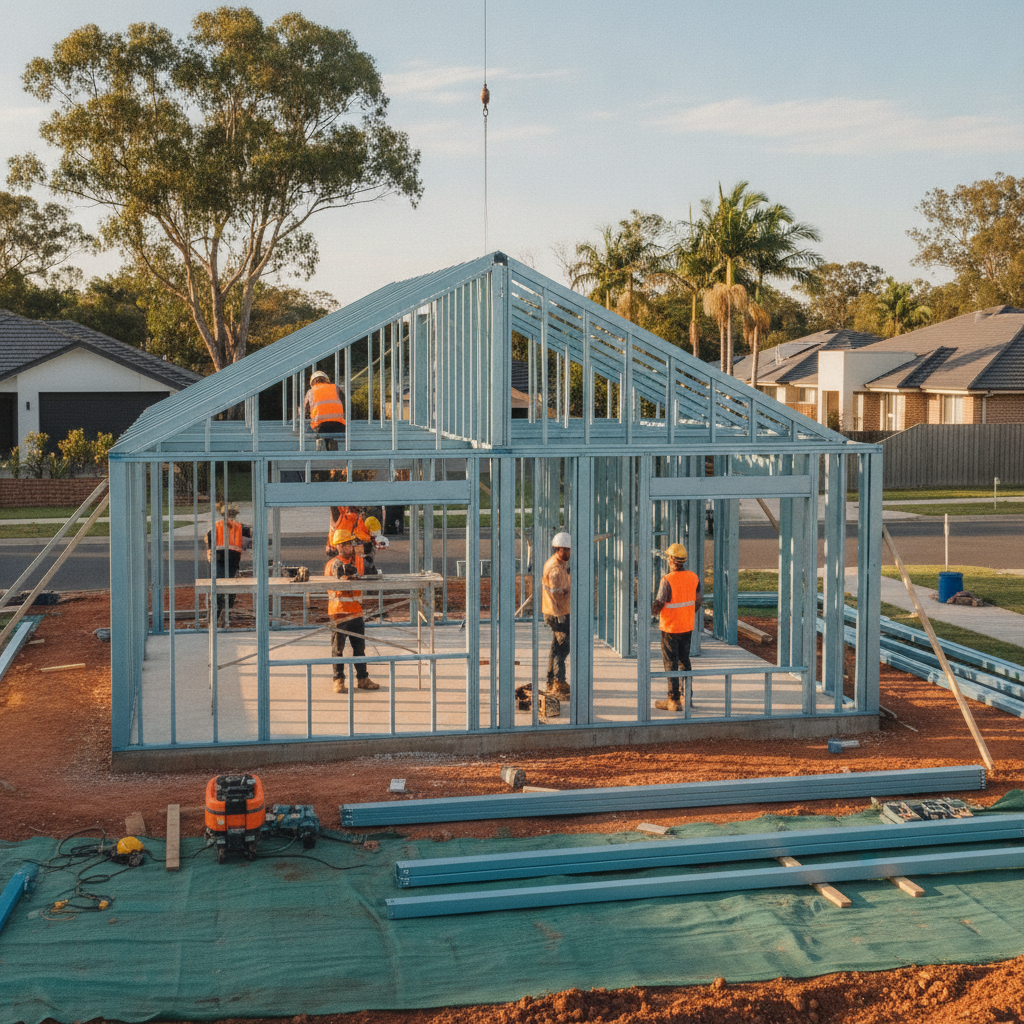
When people think of kit homes, they sometimes have outdated images of flimsy structures. However, the modern reality is a world apart. Today, kit homes are sophisticated, durable, and designed to withstand the harsh Australian climate. Using advanced materials like TRUECORE steel frames from BlueScope, these homes offer a level of precision and longevity that makes them an attractive option for those looking to add value to their property.
The beauty of a kit home lies in its simplicity for the project manager. The hard work of engineering and component sourcing is done upfront. By the time the delivery truck arrives, you have a complete system of frames, roofing, cladding, and windows ready to be assembled. This streamlined approach is exactly why secondary dwellings have moved from being a niche luxury to a mainstream housing trend.
Why Secondary Dwellings are Trending Right Now
Several factors are converging to make the granny flat the hottest trend in Australian housing. Here are the primary drivers behind the movement:
Multi-Generational Living
We are seeing a return to traditional family structures where multiple generations live on a single property. A secondary dwelling allows for closeness without sacrificing privacy. It provides a way for grandparents to be near their grandchildren, or for young adults to save for their own future while still enjoying the independence of their own front door.
The Work-From-Home Evolution
The boundary between office and home has blurred forever. While the kitchen table worked for a while, Australians are now looking for dedicated, professional spaces. A secondary dwelling provides a physical and mental boundary, allowing for a commute that is only ten metres long, yet feels worlds away from domestic distractions.
Lifestyle Flexibility
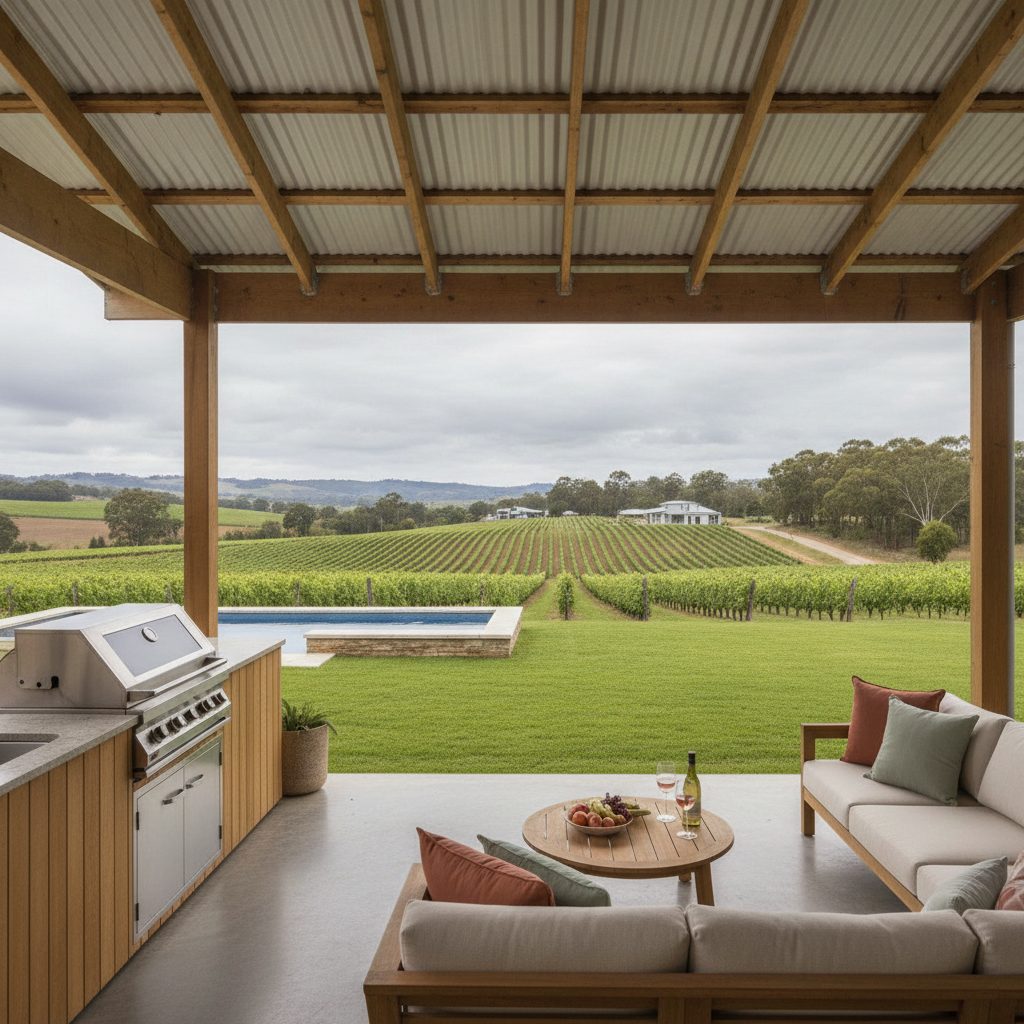
Sometimes you just need more room. Whether it is a dedicated hobby studio, a guest suite for visiting relatives, or a pool house that doubles as a retreat, the versatility of a kit home allows homeowners to tailor their backyard to their specific lifestyle needs.
Building Your Own: The Owner Builder Journey
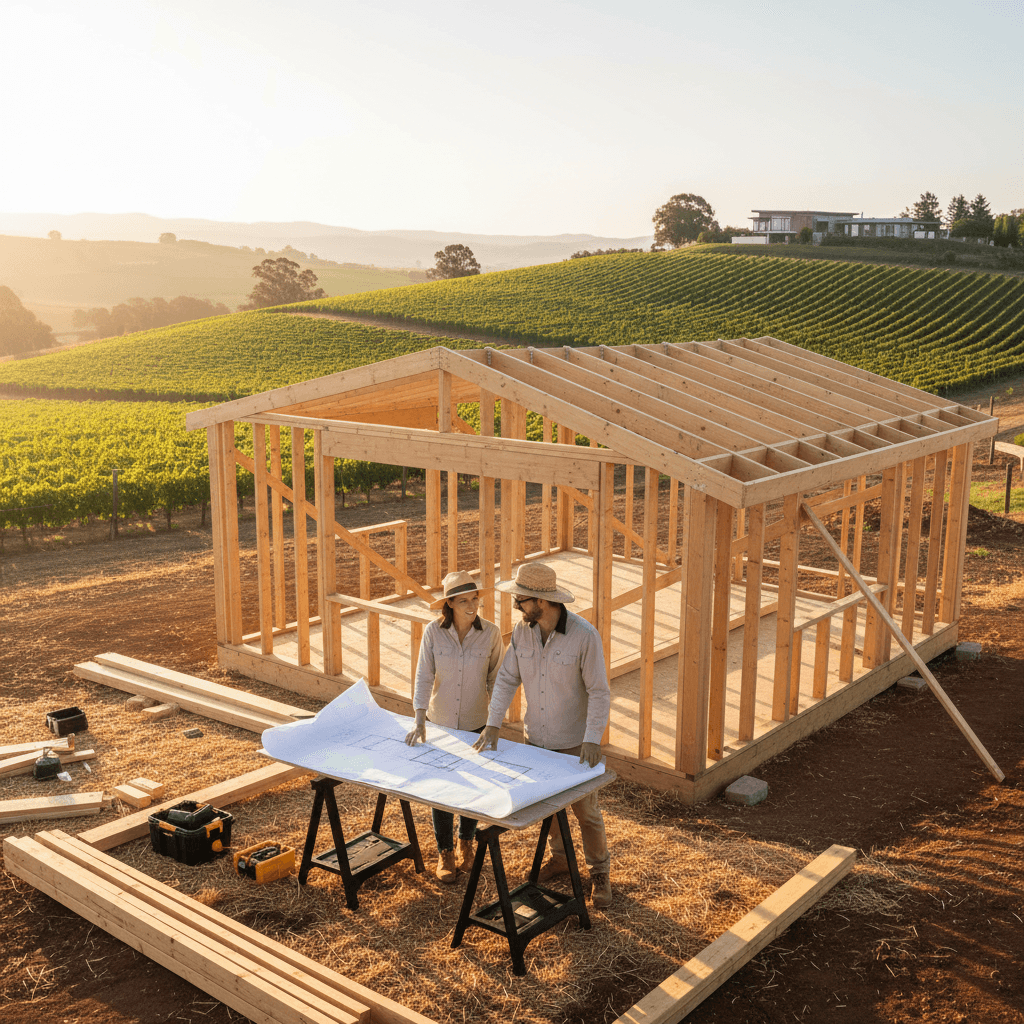
Taking on a secondary dwelling as an owner builder is an empowering experience, but it requires careful planning. Unlike buying a completed house, being an owner builder means you are the project manager. You are responsible for coordinating the site works, the slab, the trades, and the final fit-out.
One of the biggest tips for success is starting with a solid foundation. Choosing a kit that uses steel frames offers a distinct advantage for the DIY enthusiast. Steel is straight, true, and doesn't warp or twist over time. This makes the subsequent stages of construction, such as hanging plasterboard and installing cabinetry, significantly easier because you are working with perfectly square walls.
Practical Tips for Potential Kit Home Buyers
If you are considering adding a secondary dwelling to your property, here are some actionable tips to help you move from the dreaming phase to the doing phase:
Research Local Council Regulations
Every council in Australia has different rules regarding secondary dwellings. Some are very progressive, allowing them on most residential blocks, while others have strict size limits or set-back requirements. Before you fall in love with a design, check your local Planning Scheme or chat with a private certifier.
Consider Site Access
Kit homes are delivered on large trucks. You need to consider how those materials will get from the street to your backyard. Are there low-hanging power lines? Is there enough side access? If access is tight, you might need to plan for manual carrying of components, which adds time and physical effort to the build.
Focus on Orientation
Even a small secondary dwelling should be designed with the sun in mind. Position your windows to capture northern light in winter and use eaves or shading to block the harsh summer sun. Good orientation makes a small space feel much larger and more comfortable to live in year-round.
The Technical Edge: Why Steel Matters
In the context of Australian conditions, the choice of framing material is crucial. Steel frames, specifically those made from TRUECORE steel, offer several benefits that align with modern building trends. Firstly, they are termite-proof. In many parts of Australia, termites are a constant threat to timber structures. Starting with a steel frame provides peace of mind from day one.
Secondly, steel is lightweight yet incredibly strong. This allows for wider spans and larger windows, which is essential when trying to make a small granny flat feel airy and open. Because the frames are pre-engineered and precision-cut, the assembly on site is much faster than traditional stick-building, which is a major win for owner builders trying to manage their time effectively.
Design Trends for Small Spaces
Current Australian design aesthetics for secondary dwellings are moving away from the "tiny cabin" look and towards high-end architectural finishes. We are seeing a lot of:
- High Ceilings: Using raked ceilings to create a sense of volume in a small footprint.
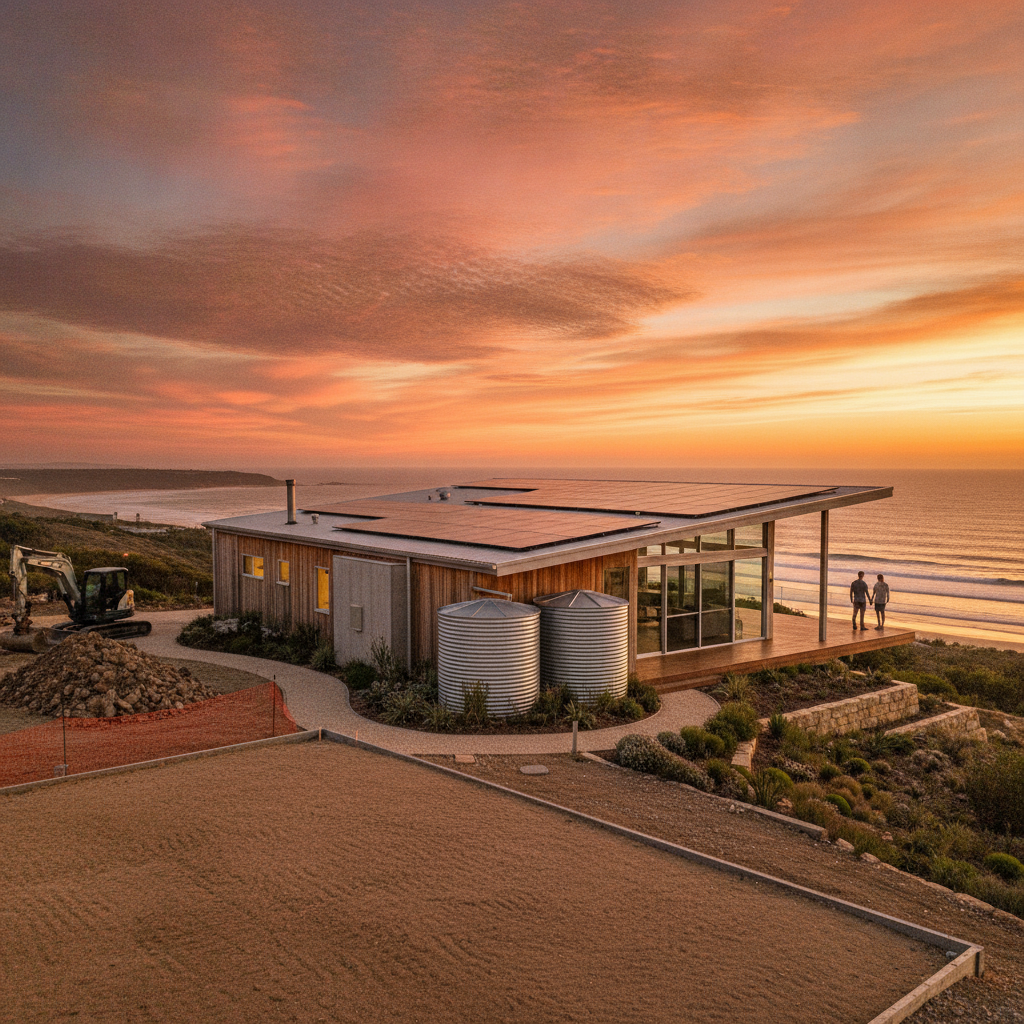
- Indoor-Outdoor Flow: Using large sliding doors that lead out to a dedicated deck, effectively doubling the living area.
- Quality Cladding: Using modern cladding materials to match or complement the main house, ensuring the new addition looks like a deliberate part of the property rather than an afterthought.
Conclusion: A Sustainable Future for Australian Backyards
The popularity of secondary dwellings represents a smarter way of using the land we already own. By choosing high-quality kit homes and taking the reins as an owner builder, Australians are finding creative ways to solve their housing needs while adding significant lifestyle value to their homes.
Whether it is motivated by family, work, or the desire for a creative sanctuary, the move toward backyard living is a trend that is here to stay. With the right planning, a durable steel frame kit, and a bit of Aussie DIY spirit, your backyard could be the site of your next great adventure.