The Backyard Revolution: Australia's New Housing Frontier
Walk through any established Australian suburb lately and you might notice something shifting. Beyond the Hills Hoist and the lemon tree, a new architectural movement is taking root. The traditional backyard is being reimagined, transitioning from a patch of lawn into a versatile living space. Secondary dwellings, often affectionately known as granny flats, are no longer just for grandma. They have become the cornerstone of a modern housing strategy that prioritizes flexibility, family proximity, and clever land use.
As our lifestyle needs evolve, the demand for high-quality, sustainable, and manageable housing solutions has skyrocketed. Australians are looking for ways to maximize the potential of their existing property, and kit homes have emerged as a premier choice for those looking to add a secondary dwelling without the complexities of a traditional custom build. Let's dive into why this trend is sweeping the nation and how you can navigate the journey of building your own.
The Multi-Generational Shift: Why We Are Building Small
For decades, the Australian dream was defined by the large family home on a quarter-acre block. While that dream still exists, the way we occupy those blocks is changing. Several key lifestyle trends are driving the popularity of secondary dwellings:
- Multi-Generational Living: More families are looking to keep their loved ones close. Whether it is adult children saving for their own place or aging parents who want to maintain independence while being near family, a secondary dwelling provides the perfect balance of privacy and connection.
- The Home Office Evolution: The shift toward remote work has made the kitchen table office obsolete. A dedicated kit home in the backyard offers a professional, quiet sanctuary away from the main house.
- Creative Studios and Retreats: From art studios to yoga retreats, Australians are using secondary dwellings to pursue passions that require their own dedicated space.
The Appeal of Kit Homes for Secondary Dwellings
When considering a backyard build, many homeowners are turning to kit homes rather than traditional site-built structures. The reasons are practical and logical. A kit home provides a streamlined path to completion, where the heavy lifting of design and material sourcing is largely handled upfront.
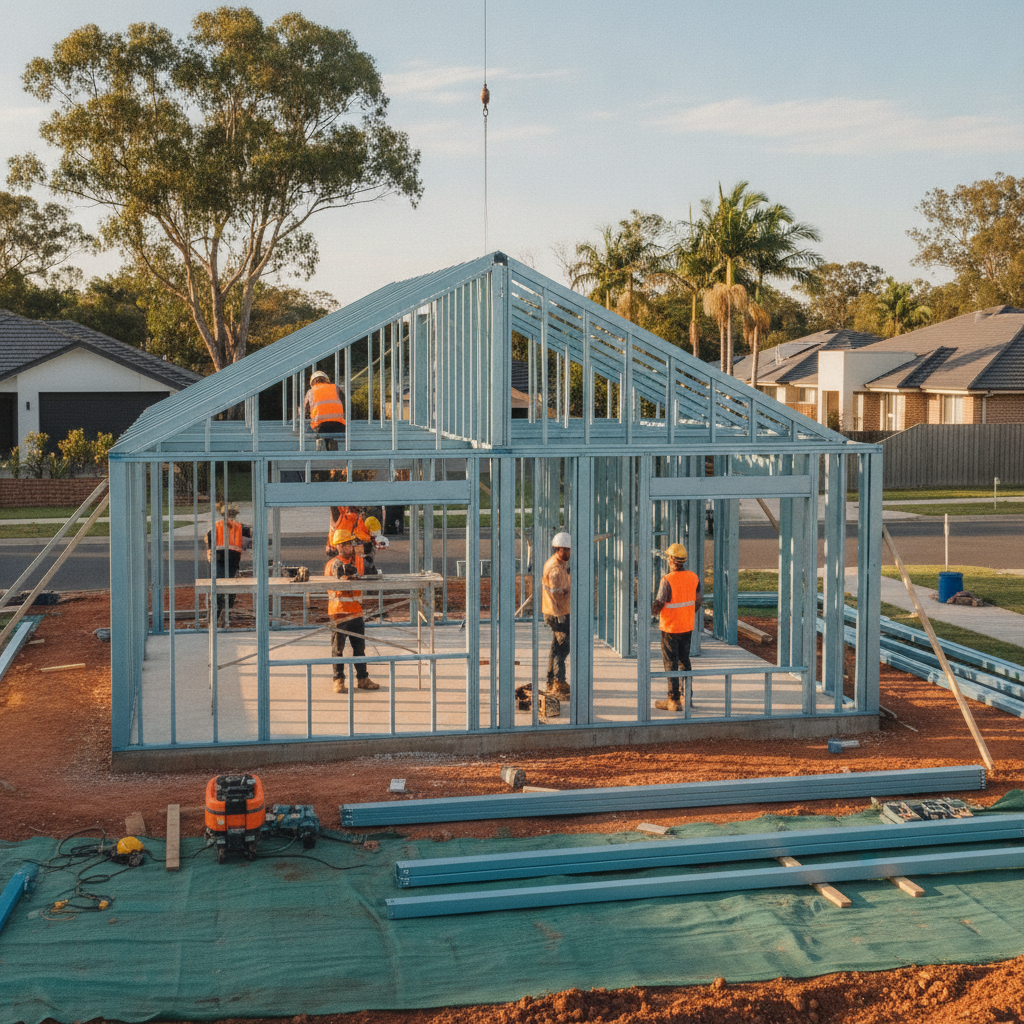
One of the standout features of modern Australian kits is the use of high-quality materials like BlueScope TRUECORE steel. Using steel frames offers a range of benefits that suit the Australian environment perfectly. They are termite proof, which is a major concern in many parts of the country, and they provide incredible precision. When you are building a smaller structure, every millimeter counts, and the straight lines of a steel frame make the subsequent stages of internal fit-out much smoother for the owner builder.
Navigating the Path: Tips for the Aspiring Owner Builder
Taking on a secondary dwelling as an owner builder is an empowering experience, but it requires diligent planning. Here are some practical tips to ensure your project stays on track:
1. Understand Your Local Council Regulations
Every council in Australia has different rules regarding secondary dwellings. Some states have relaxed laws to encourage more housing density, while others remain quite strict. Before you fall in love with a specific floor plan, visit your local council or engage a private certifier to understand setbacks, height restrictions, and floor area limits. Knowing what is allowed on your specific block of land is the first step in any successful build.
2. Site Preparation is Everything
A kit home is only as good as the foundation it sits on. Whether you are opting for a concrete slab or a raised flooring system, the site needs to be properly prepared. Consider access for delivery trucks and machinery. Because secondary dwellings are often built in backyards with limited access, you may need to plan for how materials will be moved from the street to the build site.
3. The Power of Choice in Finishes
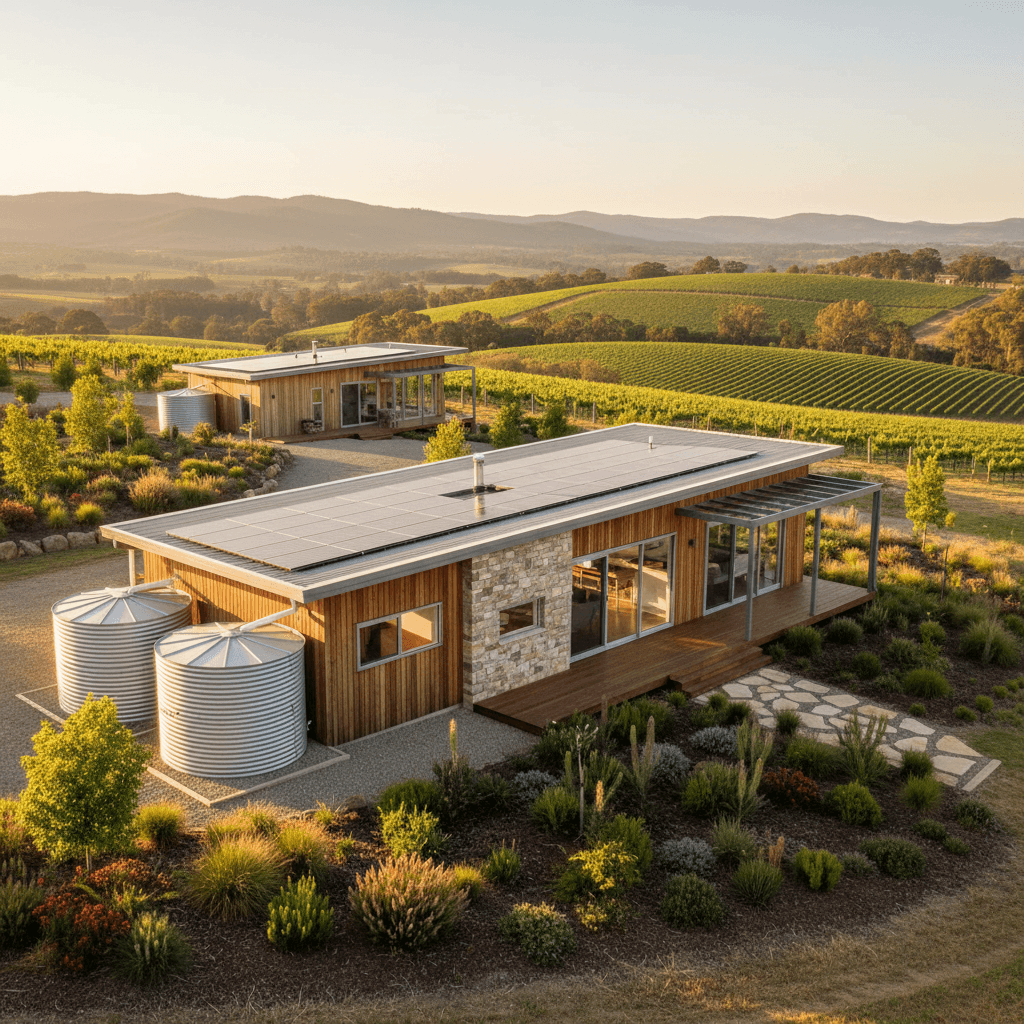
One of the greatest joys of a kit home is the ability to customize the aesthetics. While the kit provides the structural soul through the frames, roofing, and cladding, the personality comes from your choices in windows, doors, and interior fit-out. For a secondary dwelling, consider light-filled designs with large glass doors to make the smaller footprint feel expansive and connected to the garden.
Design Trends: Making Small Spaces Feel Large
The modern Australian granny flat is a far cry from the cramped, dark sheds of the past. Today's designs focus on architectural integrity and lifestyle. Here is what is trending in small home design:
High Ceilings and Natural Light
Using raked ceilings or higher wall heights can transform a small floor plan. By drawing the eye upward, the space feels significantly larger. Pair this with strategically placed windows to capture the morning sun and cross-breezes, reducing the need for artificial heating and cooling.
Indoor-Outdoor Flow
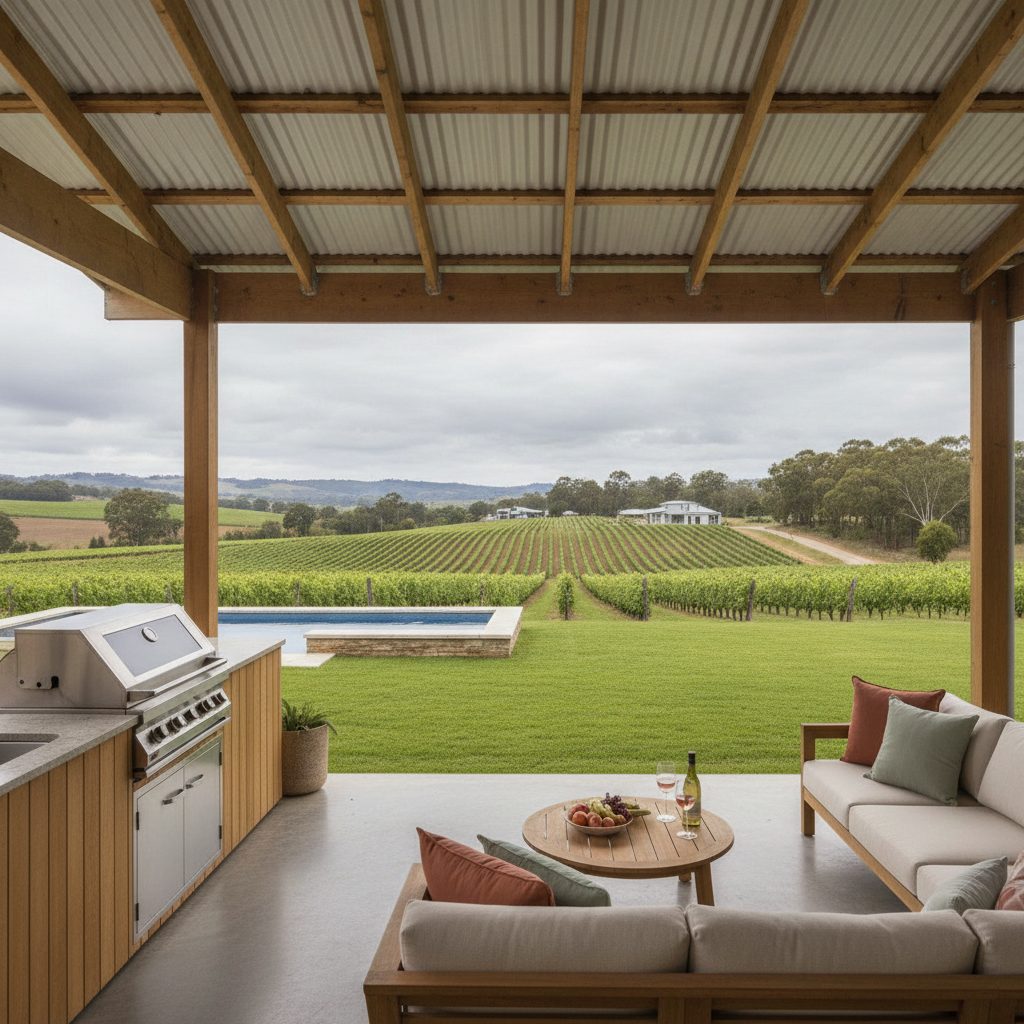
In Australia, our climate begs us to spend time outside. Integrating a deck or a verandah into your kit home design effectively doubles your living space. Bi-fold doors or large sliding stacker doors can blur the line between the interior living room and the backyard, creating a seamless transition that is perfect for entertaining.
Minimalist and Functional Interiors
Storage is the secret to successful small-scale living. Built-in robes, clever kitchen cabinetry, and multi-purpose furniture are essential. When you are acting as the owner builder, you have the freedom to source high-end fixtures or unique reclaimed materials that reflect your personal style, making the secondary dwelling feel like a premium extension of your main home.
The Role of Steel in Modern Construction
While the design is what you see, the frame is what gives the home its longevity. Steel frames have become a fundamental part of the Australian building landscape. Beyond being lightweight and easy to handle on-site, they are incredibly durable. For those building in bushfire-prone areas, steel frames provide a non-combustible structural element that contributes to the overall resilience of the building. Using materials like TRUECORE steel ensures that the structure remains straight and true for decades, preventing the warping or twisting that can sometimes occur with other materials over time.
Practical Advice for Managing Your Project
As an owner builder, you are essentially the project manager. Your role is to coordinate the different stages of the build. Here is how to keep things moving:
- Build a Reliable Trade Team: Even if you are doing much of the work yourself, you will need licensed plumbers and electricians. Start talking to trades early in the process and show them your kit home plans so they understand the scope of the work.
- Stay Organized: Keep a detailed folder with all your council approvals, warranties, and instruction manuals. Kit homes come with specific assembly guides, and having these organized will save you countless headaches on-site.
- Safety First: Ensure your site is safe for you and any contractors. This includes proper fencing, site toilets, and adhering to all workplace health and safety requirements.
The Future of Australian Backyards
The trend toward secondary dwellings shows no signs of slowing down. As we look for more sustainable ways to live, utilizing the land we already have makes perfect sense. It reduces urban sprawl and allows families to support one another through different stages of life. Kit homes have democratized this process, giving regular Australians the tools and the confidence to take control of their housing future.
Building a secondary dwelling is a journey of transformation. It turns a patch of grass into a home, a workplace, or a sanctuary. By choosing quality materials, planning meticulously, and embracing the role of the owner builder, you can create a space that adds immense value to your property and your lifestyle.
Conclusion
Whether you are looking to house a family member, create a dream home office, or simply add more living space to your property, the world of Australian kit homes offers a wealth of possibilities. By focusing on smart design, durable materials like steel, and a hands-on approach to building, you can create a secondary dwelling that is not only functional but also a beautiful addition to your home landscape. The backyard revolution is here, and it is time to start dreaming about what you can build in yours.