Straight. It sounds like a simple thing, doesn't it? But if you've ever spent a forty-degree afternoon in Dubbo trying to plane down a bowed timber stud while sweat stings your eyes, you know that 'straight' is actually a luxury. Most people starting their kit home build think about floor plans or kitchen tiles first. They don't think about the skeleton. But the skeleton is everything. If the bones are wonky, every single thing you do after that, from hanging gyprock to fitting skirtings, is going to be a nightmare.
The End of the Crooked Wall
Traditional timber framing is a bit of a lottery. You order a load of stick, it sits on site for three weeks, it rains, then the sun bakes it, and suddenly your straight studs look like bananas. It's frustrating. Steel doesn't do that. When we use BlueScope TRUECORE steel, we're talking about material that is engineered to a millimetre. It's cold-rolled and galvanized. It stays dead straight regardless of whether you're building in the humid tropics of Cairns or the dry heat of Wagga Wagga. Because it won't warp or twist, your window tracks don't bind and your doors actually close the first time you hang them. No hacking away at the frame with a reciprocal saw just to make things fit.
Termites Don't Eat Steel
Let's be blunt about the white ant situation in Australia. It's not a matter of if they'll find your place, but when. I've seen timber frames in Queensland that looked solid from the outside but were basically held together by the paint and the termites' good intentions. Using a steel frame kit means you've got one less massive headache to worry about. You still need your slab perimeter sprays and inspections for your internal fit-out, but the structural integrity of your house isn't on the menu. It's peace of mind you can't really put a price on when you're lying in bed at night listening to the bush noises outside. Plus, steel is non-combustible. In a country where bushfire attack levels (BAL) are getting stricter every year, having a non-combustible frame is a massive head start for your compliance and safety.
Engineering That Does the Heavy Lifting
A lot of guys think kit homes are just a pile of loose parts, but the engineering in a modern steel kit is actually pretty sophisticated. Every truss, every noggin, and every wall plate is pre-punched and notched. This isn't just about speed, although that's a big part of it. It's about accuracy. When you're an owner-builder, you're often working on the weekends with a couple of mates and a drop saw. Having a frame that clicks together like a giant Meccano set removes the guesswork. You aren't standing there with a tape measure trying to remember your high school trigonometry. The holes for your electrical wiring and plumbing are already there. It's all part of the CAD (Computer-Aided Design) process that happens before the steel even hits the rollers at the factory.
Specifics matter here. We follow AS 4100 for the steel structures and the NASH Standard for residential framing. This stuff is rigorous. It means your house isn't just built to look good, it's built to handle wind loads and structural stresses that would make older homes groan. If you're building on a reactive clay site in Adelaide, you want that rigidity. Steel gives you a strength-to-weight ratio that timber just can't touch. This actually allows for bigger open-plan spans without needing massive, expensive laminated beams that weigh a ton and require a crane to install.
The Reality of On-Site Assembly
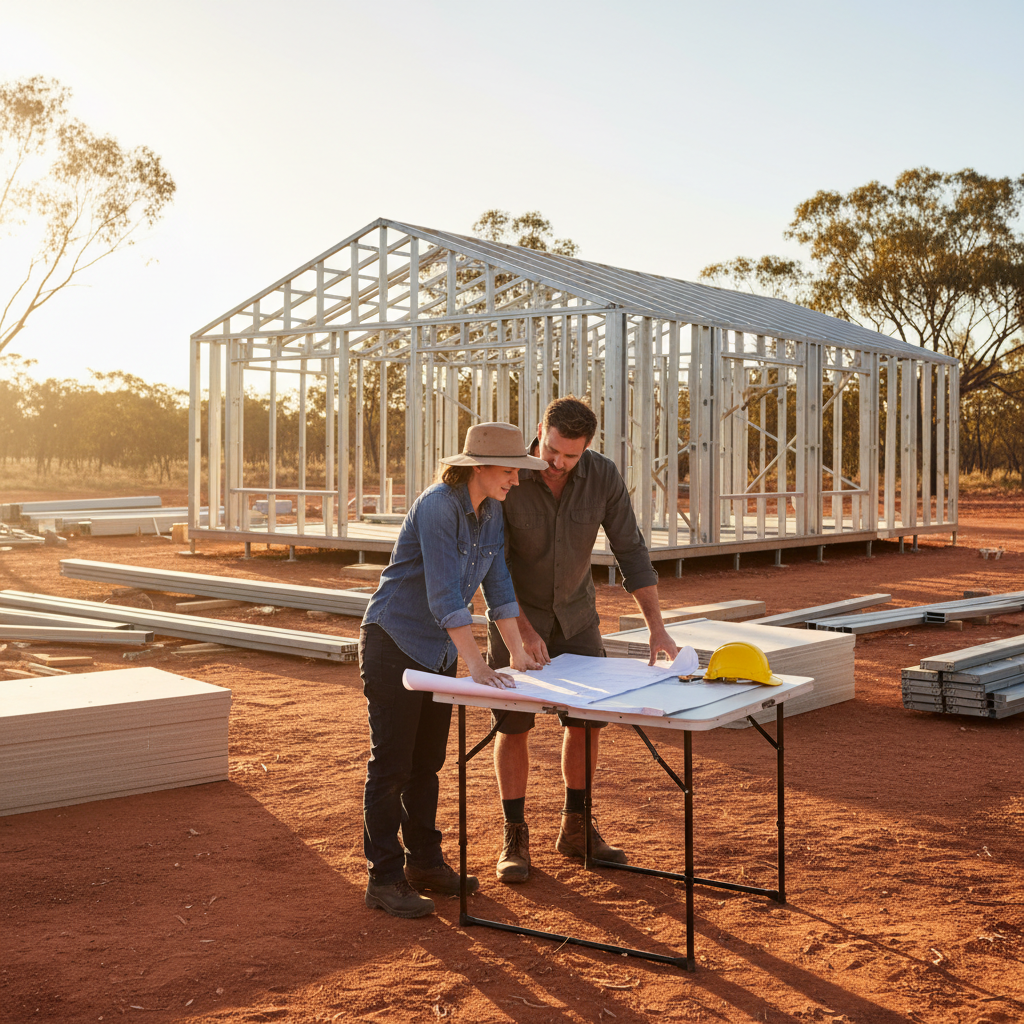
I always tell people that the first three days of standing your frames will be the most rewarding and the most exhausting days of your life. You'll be using a cordless impact driver more than you ever have before. The sound of teck screws biting into steel is something that will stay with you. But because the kits are engineered so precisely, you aren't doing any heavy lifting or complicated mitre cuts. Most of our wall sections are light enough for two people to manhandle into place. You start at a corner, brace it off, and work your way around. It's logical. It's clean. There's almost zero waste on site because every piece was cut to length at the factory. No massive piles of offcuts to haul to the tip at the end of the week.
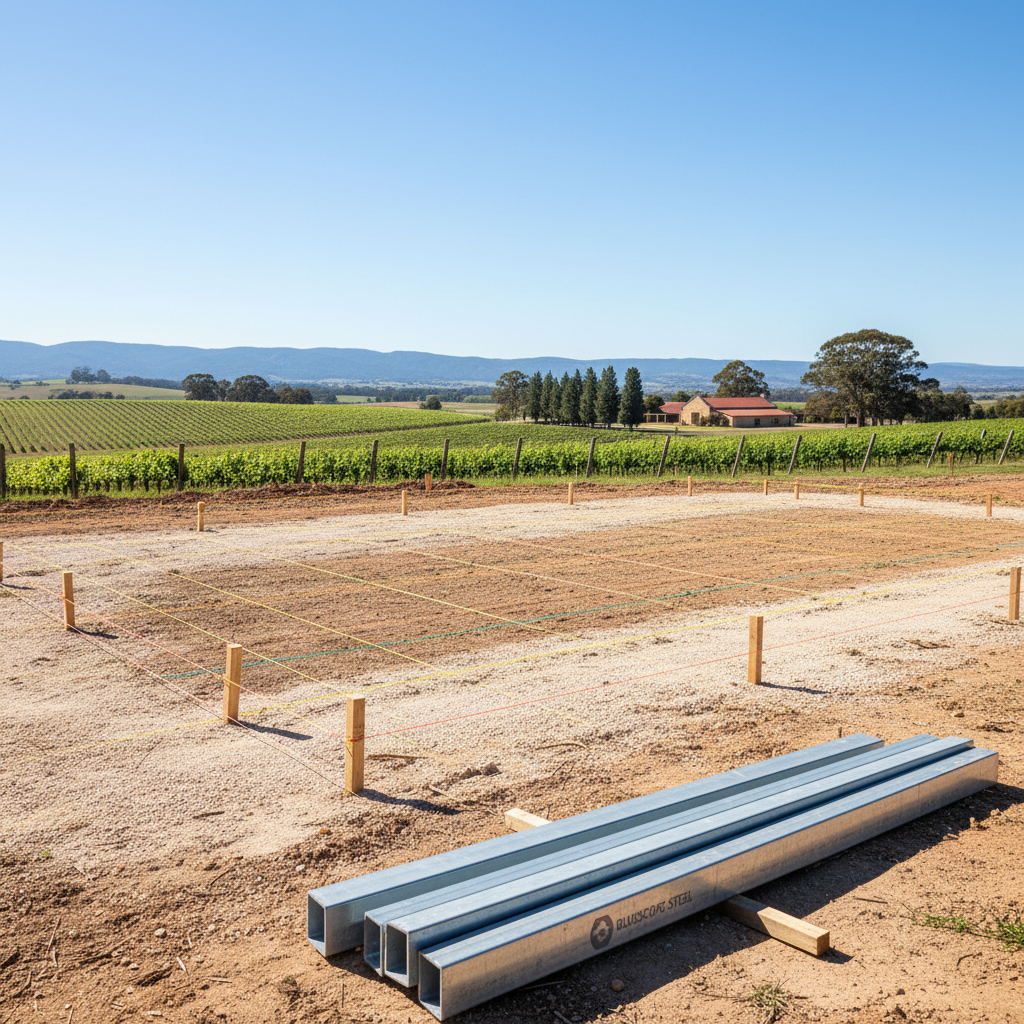
One thing to watch out for, though. Steel is precise, which means your slab needs to be spot on. If your concreter has left you with a slab that's 20mm out of square or looks like the surface of the moon, the steel frame will tell on him immediately. Timber is forgiving of a bad slab because you can shim it and shave it. Steel demands a flat, level base. If you get that right, the rest of the house flows. I've seen owner-builders save weeks on their internal fit-out because the walls were perfectly plumb. The plasterers love it. The tiler won't grumble about having to build up corners with extra glue. It makes everyone's job easier.
A Note on Thermal Performance
I get asked a lot if steel homes are colder or noisier. It's a valid question. If you just slapped tin on a frame and called it a day, yeah, it would be. But that's not how we do things. We use high-quality insulation and thermal breaks. A thermal break is basically a layer of material that stops the heat from transferring through the steel stud to the internal gyprock. It's a requirement under the NCC (National Construction Code) these days anyway. When you combine our TRUECORE frames with the right sarking and batts, you end up with a house that stays cool in a scorching Australian summer and holds its heat in winter. And as for the noise? Once the cladding and lining are on, you won't hear a thing. No creaking in the wind, no popping sounds when the sun hits it. Just a solid, quiet home.
The Long Game
Building your own home is an enormous undertaking. It's a bit of a marathon. You start out with all the energy in the world, but by the time you're painting skirting boards six months later, you're usually ready to be done with it. That's why the choice of frame matters so much early on. You want to get to the 'lock-up' stage as fast as possible so you can work inside out of the rain. Steel kits get you there faster. They are easier to handle, they don't rot if they get a bit of rain on them during the build, and they stay straight forever. No sagging rooflines in twenty years. No cracked cornices because the timber dried out and shrunk. You're building for the long haul. Using precision-engineered steel isn't just about the build, it's about the decades you'll spend living there without having to worry about what's happening inside the walls.