Taking the Reins: Your Journey as an Australian Owner Builder
There is a unique type of satisfaction that comes from standing in the middle of a room, looking at the walls, and knowing you played a hand in putting them there. For many Australians, the dream of owning a home is becoming synonymous with the dream of building one. Kit homes have sparked a revolution in the housing market, offering a path for those who want to be more than just spectators in the construction process.
However, being an owner builder is not just about swinging a hammer or wearing a high-vis vest on weekends. It is about project management, coordination, and knowing where your DIY skills end and professional expertise must begin. In this guide, we will explore the balance between getting your hands dirty and hiring licensed trades to ensure your kit home is safe, compliant, and finished to a high standard.
Understanding the Kit Home Landscape
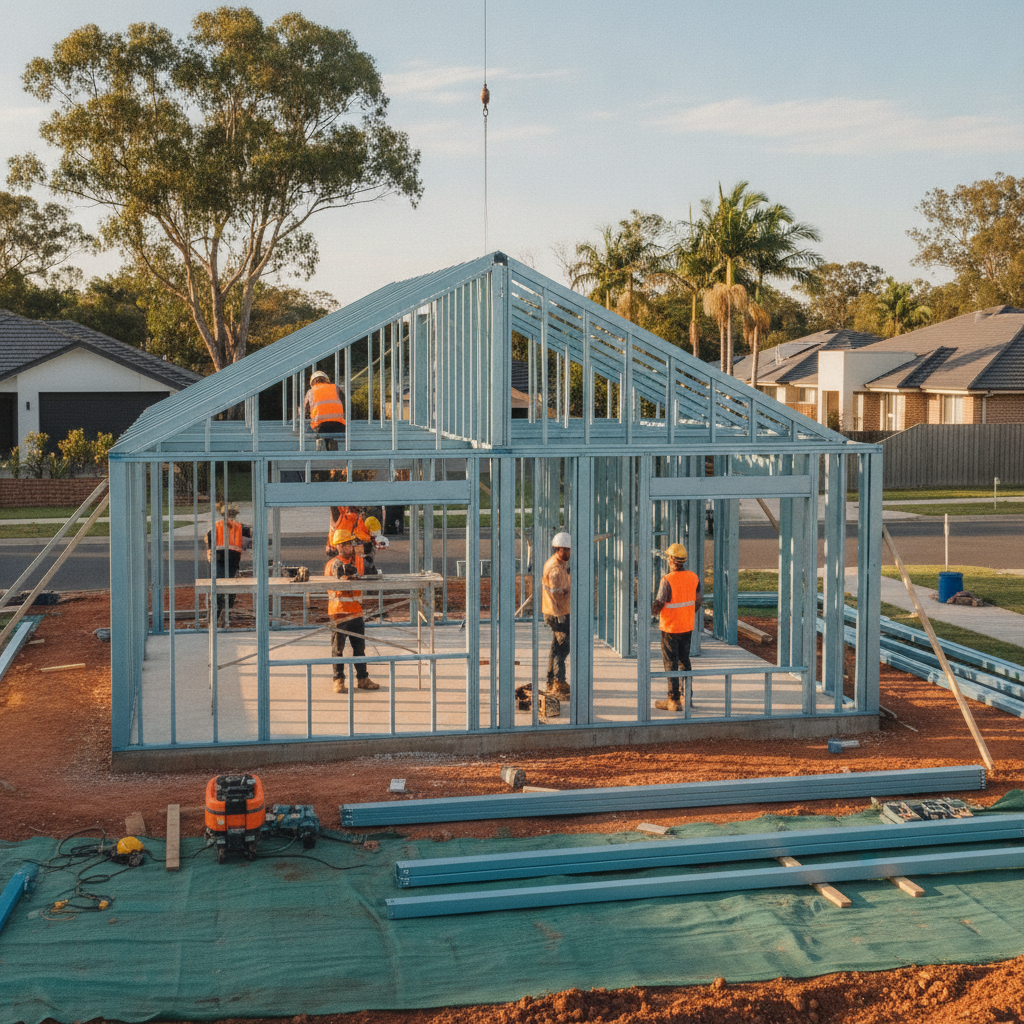
Before diving into the toolshed, it is important to understand what a kit home actually entails. Unlike traditional builds where a developer manages every nail and screw, a kit home provider delivers the essential structural components. Think of it as a high-quality puzzle. You typically receive the steel frames, premium roofing, external cladding, windows, doors, and insulation. These components, often made from durable Australian TRUECORE steel, form the skeleton and shell of your home.
As the owner builder, your role is the conductor of the orchestra. You are responsible for the site preparation, the concrete slab, and the assembly of these components. This is where the big question arises: what should you do yourself, and what should you outsource?
The DIY Sweet Spot: Tasks You Can Tackle
If you have a bit of handy experience and a reliable set of tools, there are several areas where you can roll up your sleeves. Doing these yourself can be incredibly rewarding and gives you total control over the finer details of your home.
1. Frame Assembly and Standing
One of the most exciting phases is seeing the house take shape. Modern steel frames are often delivered pre-punched and clearly labelled. Because steel is lightweight compared to timber and dimensionally accurate, it is quite manageable for a DIY team. With a few helpers and a solid understanding of the assembly plan, putting the walls and roof trusses together is a task many owner builders successfully manage.
2. Installing Windows and Doors
Once your frames are secured, installing the windows and doors is the next logical step to making the structure weather-tight. Most kit homes come with units designed to fit perfectly into the provided openings. While you will need a couple of extra sets of hands to lift larger glass sliders into place, the actual fixing and sealing is a very achievable DIY task.
3. Insulation and Internal Lining
Installing insulation batts is straightforward, though it can be a bit itchy, so make sure you have the right protective gear. Similarly, while hanging plasterboard requires some physical strength and a bit of finesse with the joints, many owner builders choose to tackle the fixing of the sheets themselves, perhaps leaving the final "set" or plastering to a pro to ensure a perfectly smooth finish for painting.
4. Landscaping and Finishing Touches
The exterior of your home is your canvas. Planting gardens, laying turf, building decks, and painting internal walls are all tasks that allow for maximum creative expression. These are also areas where you can take your time to get the aesthetic exactly right without the pressure of a ticking clock from a paid contractor.
When to Call the Professionals: The Non-Negotiables
In Australia, specific building codes and safety regulations dictate that certain tasks must be performed by licensed professionals. Not only is this a legal requirement, but it also ensures your home insurance remains valid and your family stays safe.
1. Electrical Work
This is the most important rule: never do your own electrical wiring. In every Australian state, electrical work must be performed and certified by a licensed electrician. This includes everything from the initial "rough-in" of cables inside the steel frames to the final fit-out of power points and light switches. Your electrician will provide a Certificate of Electrical Safety, which is a vital document for your occupancy permit.
2. Plumbing and Gas Fitting
Similar to electrical work, plumbing and gas installations must be handled by licensed trades. Incorrectly installed plumbing can lead to catastrophic water damage or health hazards. A professional plumber will ensure that your drainage has the correct fall, your waterproofing in wet areas is up to code, and your water pressure is regulated correctly.
3. Major Earthworks and Slab Pouring
The foundation is the most critical part of your home. While you might be tempted to hire an excavator yourself, the precision required for site leveling and the technical nature of pouring a reinforced concrete slab usually warrant a professional team. If the slab is even a few centimeters out of level, it can cause significant headaches when you go to stand your steel frames.
4. Roofing at Heights
While some owner builders feel comfortable installing cladding, working on a roof can be dangerous. Professional roofers have the safety equipment, such as harnesses and temporary guard rails, required to work at heights legally and safely. They also have the experience to ensure that flashings and ridges are perfectly sealed against Australian storms.
Practical Tips for Managing Your Trades
If you are stepping into the role of a project manager, your communication skills are just as important as your construction skills. Here are some tips for a smooth experience:
- Verify Licenses: Always check that your tradespeople have current licenses and insurance. You can usually do this online through your state's building authority.
- Detailed Quotes: Ensure every quote is in writing and clearly outlines what is included (materials and labor) and what is not.
- Schedule Early: Good tradespeople are often booked out months in advance. Start reaching out as soon as you have your council approvals.
- Clear Communication: Show them your kit home plans early. Since you are using steel frames, let them know, as they may need specific screws or tools for fixing into steel rather than timber.
The Importance of Safety and Compliance
As an owner builder, the buck stops with you when it comes to site safety. This means ensuring everyone on-site, including yourself and any volunteers, follows basic safety protocols. This includes wearing appropriate footwear, using scaffolding where necessary, and keeping the site tidy to prevent trips and falls. Furthermore, ensure you have obtained your Owner Builder Permit from your local authority before work begins. This process usually involves a short course that covers your legal obligations and safety requirements.
Why Kit Homes Support the Owner Builder Path
The beauty of a kit home lies in its predictability. Because the components are engineered and manufactured in a controlled environment, you aren't dealing with the inconsistencies often found in traditional materials. Steel frames, for instance, won't warp, twist, or shrink over time. This architectural stability makes it much easier for a DIY builder to achieve a professional result. When the bones of the house are straight and true, every subsequent step, from cladding to cabinetry, becomes much simpler.
Conclusion: Finding Your Balance
Building your own kit home is a journey of growth, learning, and immense pride. By finding the right balance between DIY effort and professional trade engagement, you can manage your project efficiently while ensuring a high-quality finish. Focus your energy on the tasks that match your skill level and bring you joy, and trust the licensed experts to handle the high-risk, technical components. With a clear plan, a bit of patience, and the right kit, you will be turning the key to your new home before you know it. Happy building!