I have seen it happen a hundred times. A bloke buys a beautiful steel frame kit home, picks the biggest windows he can find, and then plonks the thing down on his block facing the west. Six months later, it's summer in Queensland or inland NSW and he's sitting inside an oven with the curtains drawn, wondering why his electricity bill looks like a phone number. It is a classic mistake. People focus on the number of bedrooms or the size of the kitchen bench, but they forget that the sun and the wind are the most important things they'll ever deal with as an owner builder.
The North Facing Rule Is Not Optional
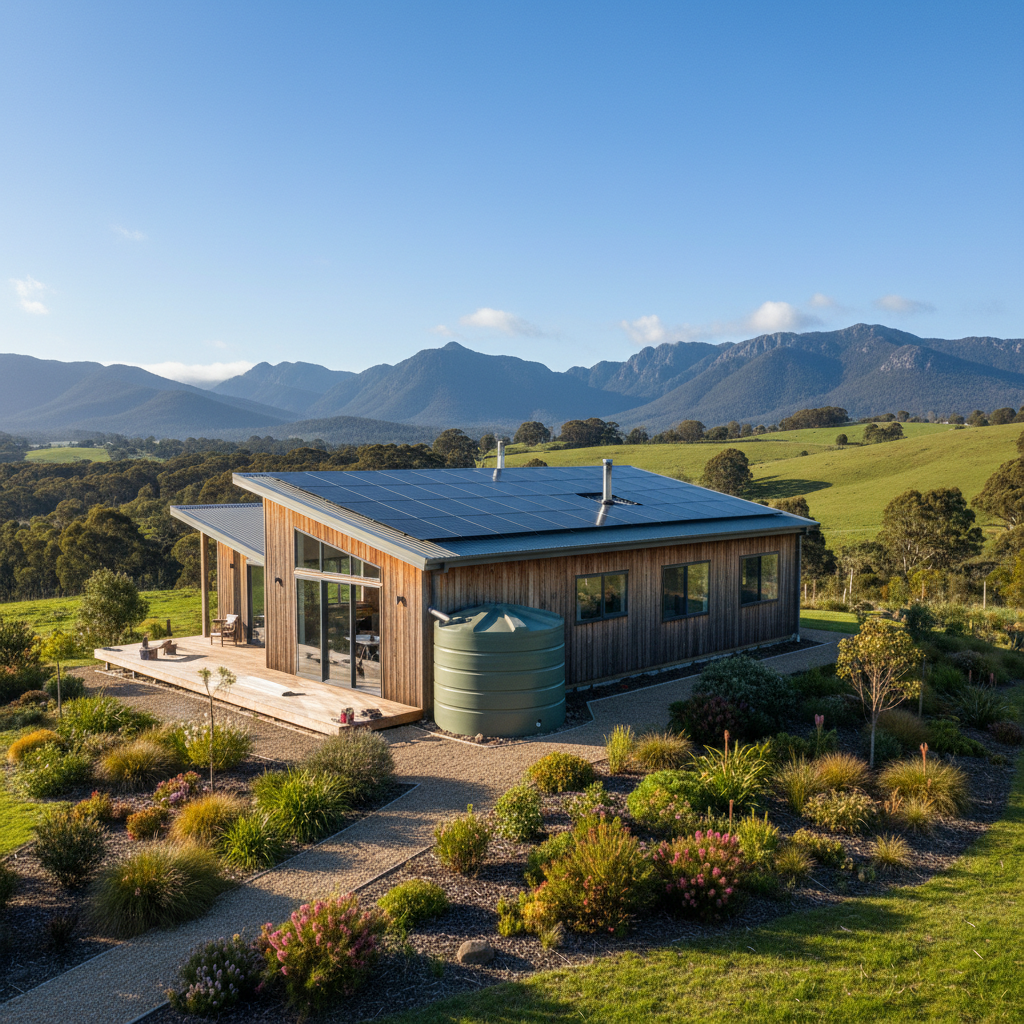
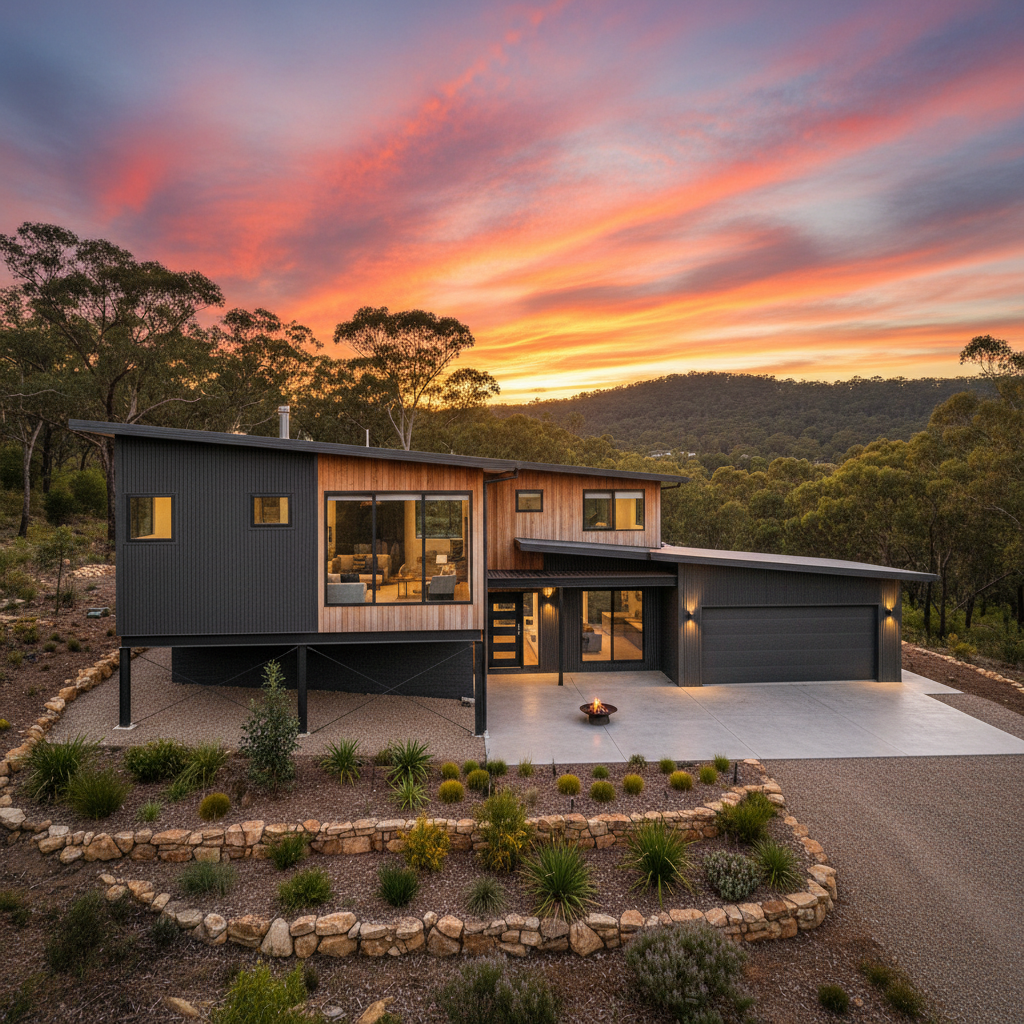
Positioning your home is the first thing you do. It's the most important thing too. If you've got your living areas facing south, you're going to be living in a dim, depressing space all winter. In Australia, you want your main glass and your outdoor living areas facing north. This lets that low winter sun creep deep into the house when you actually want the warmth, but it's easy to block with a simple eave or an awning when the sun is higher in summer.
But don't just take a generic plan and assume it works for your site. Look at your block at 10am and 4pm. Where are the shadows from the neighbor's trees or that massive gum tree on the fence line? If you're building a design like the 'Pacific' or something with a big open plan living area, make sure those big sliding doors are pointed towards the north. Because if you don't, you'll spend your life turning on LED lights at noon just to see what you're eating for lunch.
How to Actually Get a Breeze Moving
Cross ventilation is another one that gets messed up. Putting a window on one wall doesn't do much if the air has nowhere to go. It just builds up pressure and sits there. You need a path for the air to travel. Think of your house like a pipe. If you plug one end, nothing flows. If you've got a window on the windward side of the house, you need an opening on the opposite side to let the hot air out.
Louvres are perfect for this. I reckon they're the best invention for Australian building besides the Emu Export. You can leave them cracked during a summer storm and the rain stays out while the air keeps moving. Plus, you can place them high up on walls. Because heat rises. Simple physics. If you put a small window or a clerestory window near the ceiling line, it acts like a chimney. The hot air sucked out the top pulls cooler air in through the lower windows. We call it the stack effect. It works wonders in places like the Top End or even just a muggy afternoon in Western Sydney.
Window Specs and The Steel Frame Advantage
Since we use TRUECORE steel for the frames, you've got plenty of strength to play with. Steel is dead straight. It doesn't warp or twist like timber can when the sun beats down on it, so your window tracks actually stay square. That matters when you're fitting large glass sliders or stacking doors. If the frame moves, those big doors get sticky. Nobody wants to be wrestling with a 2-metre glass door just to let a breeze in.
When you're picking your windows for the kit, don't just go for the cheapest clear glass. At the very least, look at toned glass or Low-E coatings. It's like putting sunglasses on your house. It stops the heat from radiating through the glass without making the room dark. If you're in a BAL (Bushfire Attack Level) zone, you'll need specific glass anyway, so check your council requirements before you finalize the window order in your kit.
Sarking and Insulation: The Invisible Helpers
Your kit includes insulation for a reason. Don't skimp on the install. Most owner-builders think insulation is just about the R-value of the batts in the walls. Wrong. The reflective foil (sarking) under your Colorbond roofing is what does the heavy lifting against radiant heat. It bounces the sun's energy back out before it even hits your ceiling batts.
If you're building in a humid climate, make sure your vapor barriers are on the right side. Usually, that's the warm side of the insulation. In the tropics, that's the outside. In Tassie, it's the inside. Get it wrong and you'll end up with condensation rotting out your plasterboard. Steel frames won't rot, which is a massive plus, but you still don't want soggy insulation and mouldy walls hanging off your beautiful BlueScope steel.
Practical Design Tweaks for Light
Sometimes you've got a room that's just stuck in a dark corner of the plan. Maybe it's the laundry or a hallway. Don't just accept it. Throw in a skylight. Or better yet, a solar tube. They're easy to install in a kit home once the roof sheets are on.
Consider the internal doors too. I'm a big fan of using frosted glass doors for ensuites or even laundry rooms. It lets the light bleed from the brighter rooms into the darker ones without sacrificing privacy. It's a small change that makes a floor plan feel twice as big. Also, think about your floor finishes. A polished concrete slab or light-colored floorboards will bounce light from the windows up onto the ceiling. Dark carpets do the opposite. They suck the light right out of the room.
Privacy vs Light: The Great Trade-off
A lot of people are building on smaller blocks closer to town these days. You want the sun, but you don't want the neighbor watching you eat your Weet-Bix. This is where high-set windows come in. If you put a long, skinny window at eye level, you're looking at a fence. If you put it 1800mm off the floor, you're looking at the sky and getting all that glorious natural light without anyone seeing in. It also leaves you more room for furniture against the wall. Win-win.
Don't forget about your eaves either. A lot of modern designs have no eaves. I think that's a mistake for 90% of Australia. A 600mm eave is your best friend. It protects your window frames from the rain and shades the glass from the midday sun. It's basic common sense that's been lost in a lot of fancy architectural trends lately. Stick to the basics. Face north, move the air, and protect your openings. Do that, and your kit home will be a cracker of a place to live for the next fifty years.