Stop Guessing Your Floor Plan Requirements
I have seen it a hundred times on sites from Gippsland to the Sunshine Coast. A bloke buys a massive four-bedroom kit because he wants 'space', then realizes he has about two meters of yard left once the rainwater tanks and the septic system go in. Or worse, he builds a tiny two-bedder on a massive rural block and spends the next ten years wishing he had a mudroom to kick off his boots before hitting the carpet. Picking a kit home size isn't just about what fits on the paper. It is about how you move through the house on a rainy Tuesday when the kids are driving you up the wall and the dog is wet.
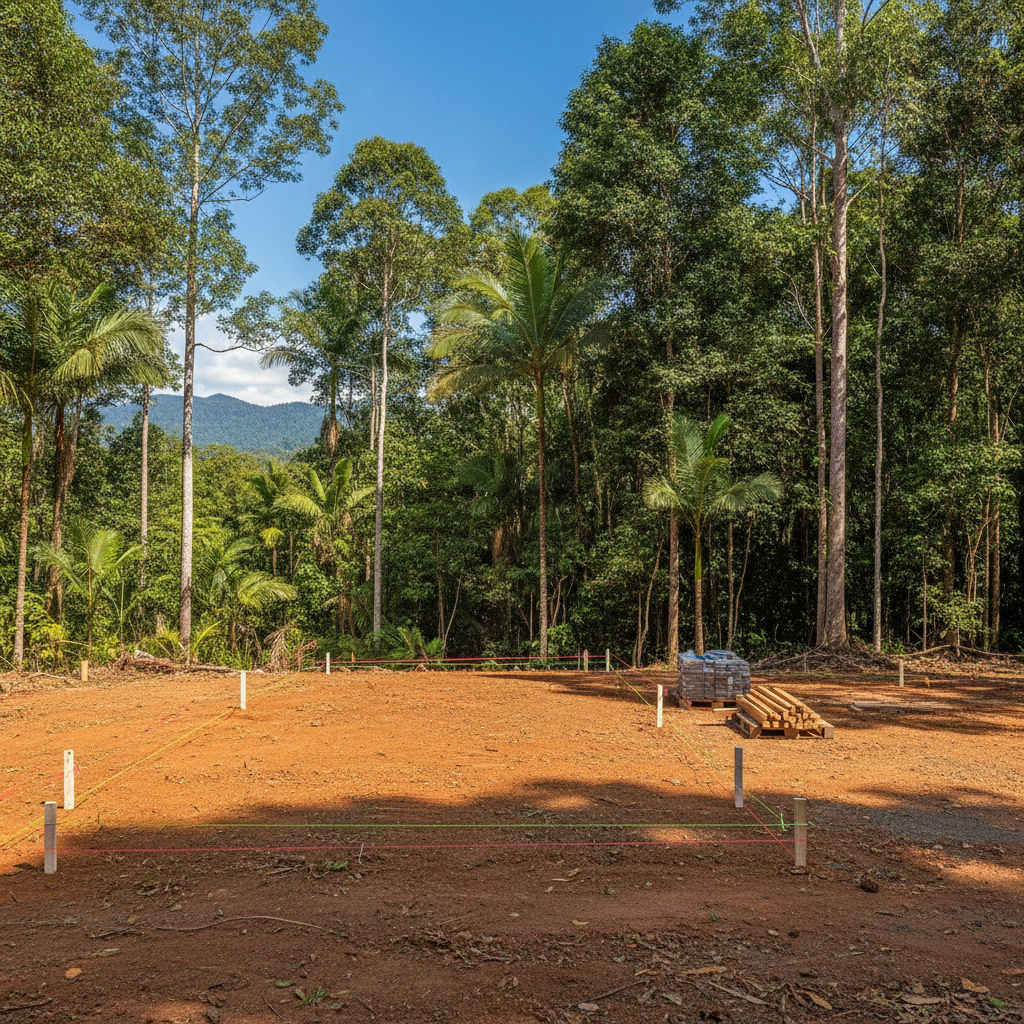
You need to look at your land before you even look at a brochure. Seriously. Go out there with some stakes and a roll of string. Most people don't realize that a 150 square meter house feels completely different depending on the ceiling height and the window placement. Plus, you have got setbacks to worry about. Local councils are sticklers. If you are building in a bushfire zone, which is half of Australia these days, your BAL rating might dictate how close you can get to those gum trees. That shrinks your building envelope fast. So, start with the dirt, then find the kit.
The Myth of the 'Forever Home' Size
We have been conditioned to think bigger is always better. It isn't. Every extra square meter of floor space is more cladding you have to screw on, more gyprock to sand, and more floor to mop for the next thirty years. But you don't want to be cramped either. If you are an owner-builder, you are doing the hard yards yourself. Do you really want to be sheeting a fifth bedroom you'll only use once a year for Christmas? Probably not. I reckon the sweet spot for most Aussie families is around the 150 to 180 square meter mark. It gives you enough room for a decent open-plan living area without making the build feel like a never-ending slog.
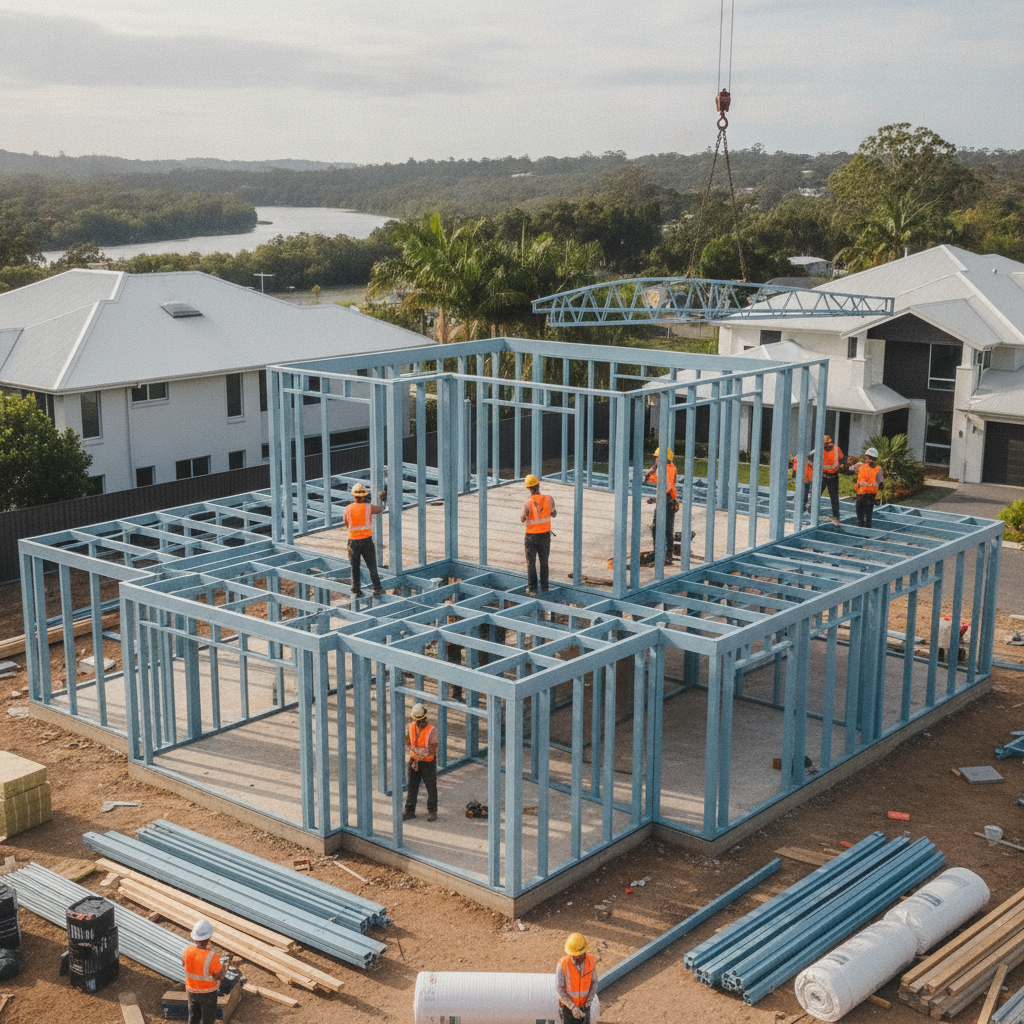
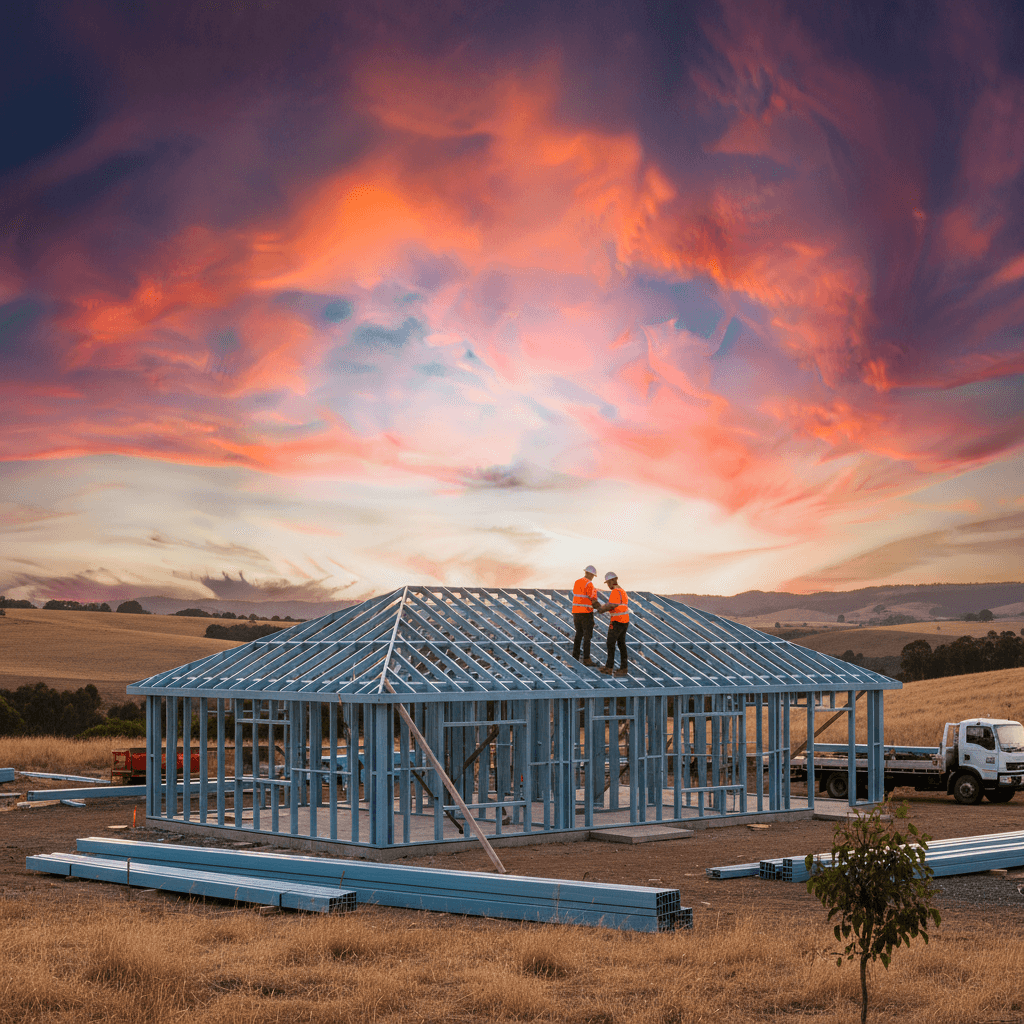
Steel frame construction gives you a bit of a leg up here. Because steel has such a high strength-to-weight ratio, you can often get away with wider spans without needing a forest of internal load-bearing walls. This means a smaller footprint can actually feel twice as big. You can have that big, airy lounge room without a massive pillar right in the middle where you want to put the telly. We use BlueScope TRUECORE steel for our kits because it stays dead straight. Wood moves, warps, and twists, especially in the Aussie heat. When you're lining up a long hallway, you'll be glad you went with steel. It makes the fit-out much less of a headache.
Site Access and the Logistics of Your Kit
Here is something nobody mentions until the crane truck is bogged in your driveway. Your site access dictates what you can build. If you have a tight, skinny block in a suburban pocket of Newcastle or a windy track up a hill in the Blue Mountains, getting those long steel C-sections and roof sheets in is a mission. You need to think about where the materials will sit while you're working. If the house takes up 80% of the flat land, where does the cladding go? It ends up in the mud. And that is a nightmare.
Check your easements. Look for power lines. I once saw a project stall for two months because the hiab couldn't lift the frames over a neighbor's fence without hitting a service line. It's those little details that'll kill your timeline. When you're picking a size, leave yourself a 'buffer zone' around the perimeter. You need room to move, room for scaffolding, and room to park the ute without falling into your footings.
The Lifestyle Reality Check
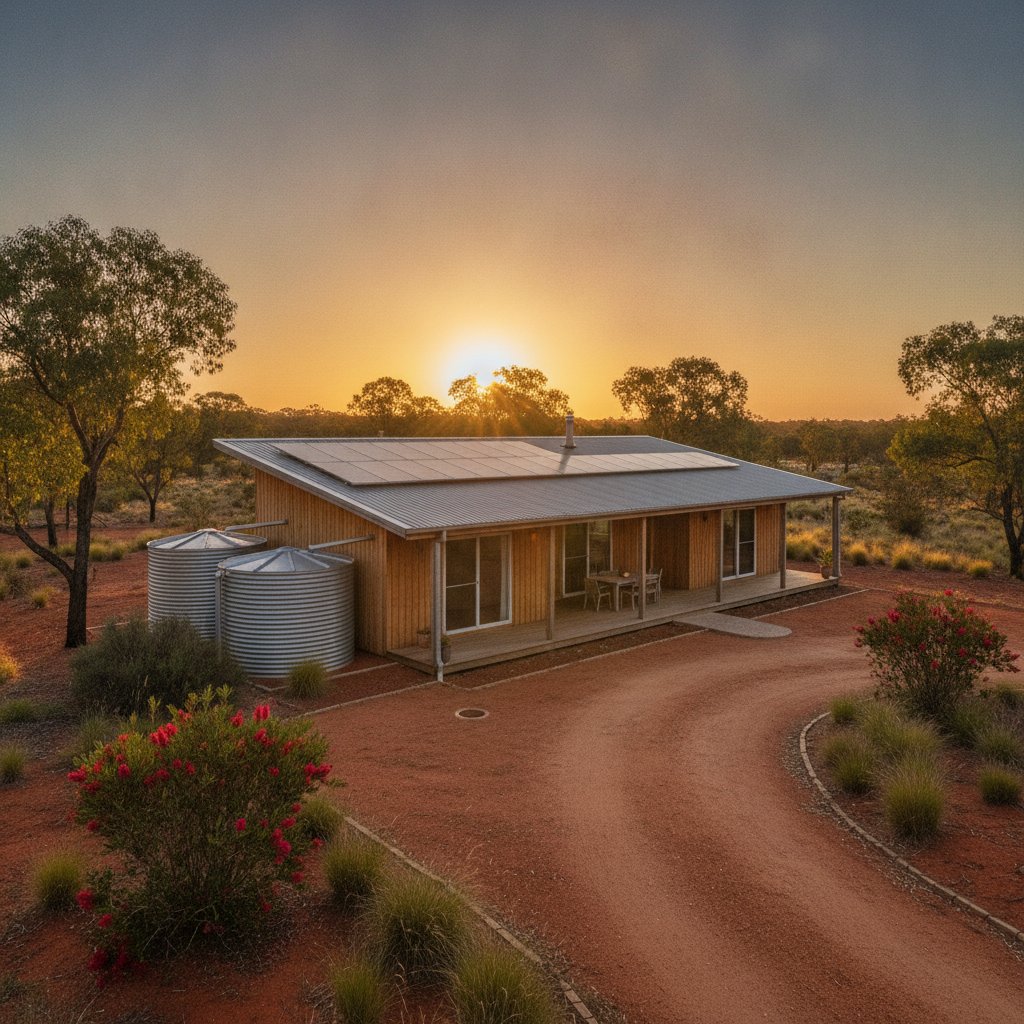
Be honest about how you live. Do you actually sit in a formal dining room? No. Most of us eat at the kitchen island or on the couch. So why pay for a dedicated dining space? Use that square meterage for a bigger pantry or a decent laundry. In Australia, our lifestyle is outdoors about eight months of the year. I always tell people to downsize the indoor living area slightly and put that money into a massive, well-roofed deck. If you integrate the indoor and outdoor spaces properly, a 120 square meter house feels like 200.
Think About the Following:
- Zoning for noise: Put the bedrooms away from the living area if you have kids or a partner who works night shifts.
- The 'Drop Zone': An entry nook for bags, boots, and keys saves the rest of the house from looking like a tip.
- Future-proofing: It's easier to add a deck later than it is to stretch a steel frame. Get the core right first.
Why Steel Frames Matter for Smaller Blocks
If you're building on a small or tricky block, precision is your best friend. Termites are a massive worry in most of Australia, especially if you're building near the scrub. Steel is termite-proof. Simple as that. You don't want to spend all that money on a beautiful new home just to have the local pests turn it into lace in five years. Plus, steel frames are lightweight. If you're managing the build yourself, being able to lift a wall frame with a mate instead of needing a heavy crane for everything is a massive win. It saves your back and your bank account.
Our kits come with everything numbered and ready to go. It’s like a giant Meccano set for adults. But even the best kit relies on a solid foundation. Whether you’re going for a concrete slab or a raised floor system, make sure it’s square to the millimeter. Steel doesn't have the 'play' that timber does. If your slab is out by 20mm, the steel won't just 'bend' to fit. You have to get it right from the jump. This level of accuracy is why many owner-builders prefer it; it forces you to be a better builder.
Natural Light and Orientation
Size doesn't matter if the house is dark and depressing. You can have a 300 square meter mansion, but if it's facing south and has tiny windows, it will feel like a cave. When you're looking at kit designs, check where the glass is. You want your main living areas facing north to catch that winter sun. In summer, you use eaves and awnings to keep the heat out. Because our kits come with the windows and doors included, you need to be sure the layout works for your specific bit of dirt before you sign off on the plans.
Don't just look at the floor plan on a screen. Put those measurements into a CAD program or even just draw it out on some graph paper. 1cm = 1m. Fast. Dirty. Effective. Lay out your furniture. Will your existing couch actually fit, or will it block the hallway? Is there enough room to walk around the bed without stubbing your toe on the frame? These are the things that make a house a home, not the total square meterage on the title deed.
Wrap It Up and Get Started
At the end of the day, you're the one living there. Don't let a salesperson talk you into a bigger kit than you need just because it's 'better value'. The best value is the house that fits your life, stays within your council's rules, and doesn't take you twenty years to finish. Start small, think about the flow, and prioritize quality materials like Australian-made steel. It makes the whole process of being an owner-builder a lot more manageable. Now, get that tape measure out and go see what you've actually got to work with on your block. The dirt doesn't lie.