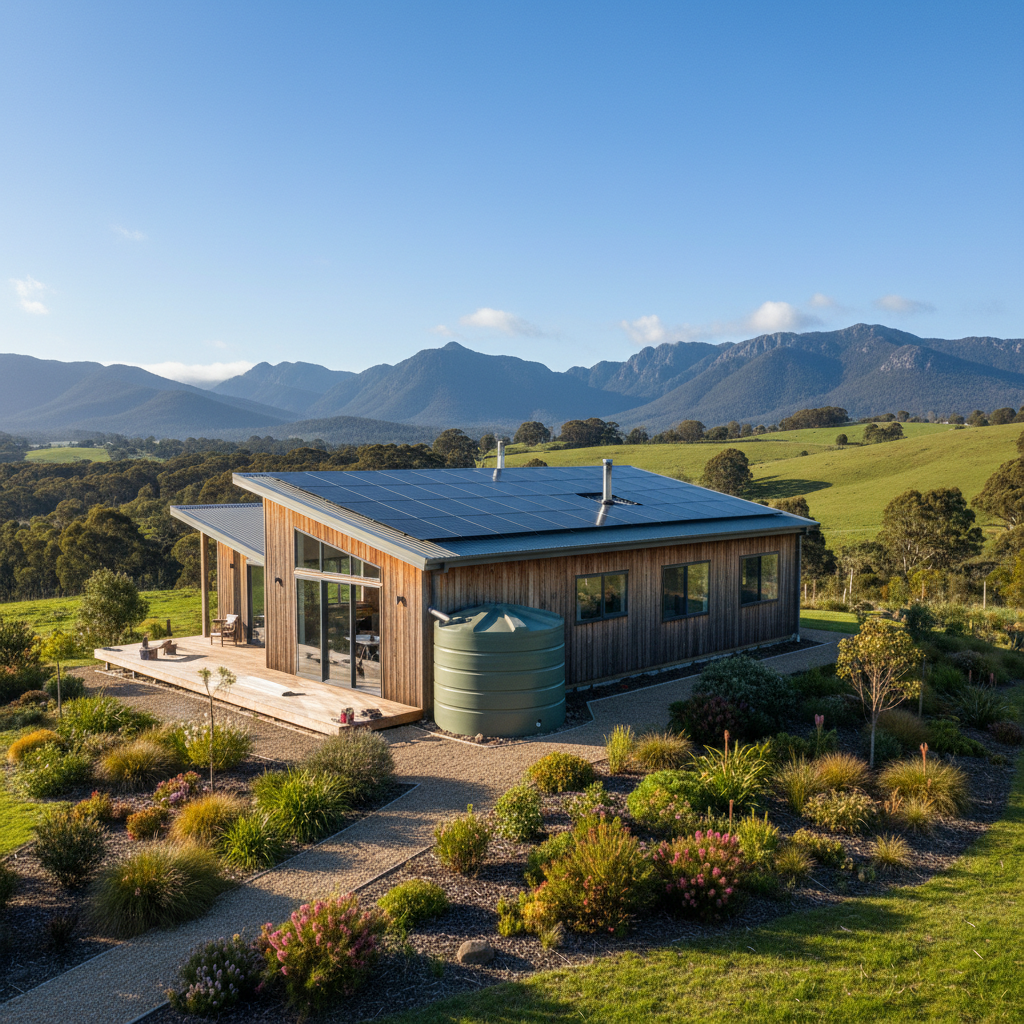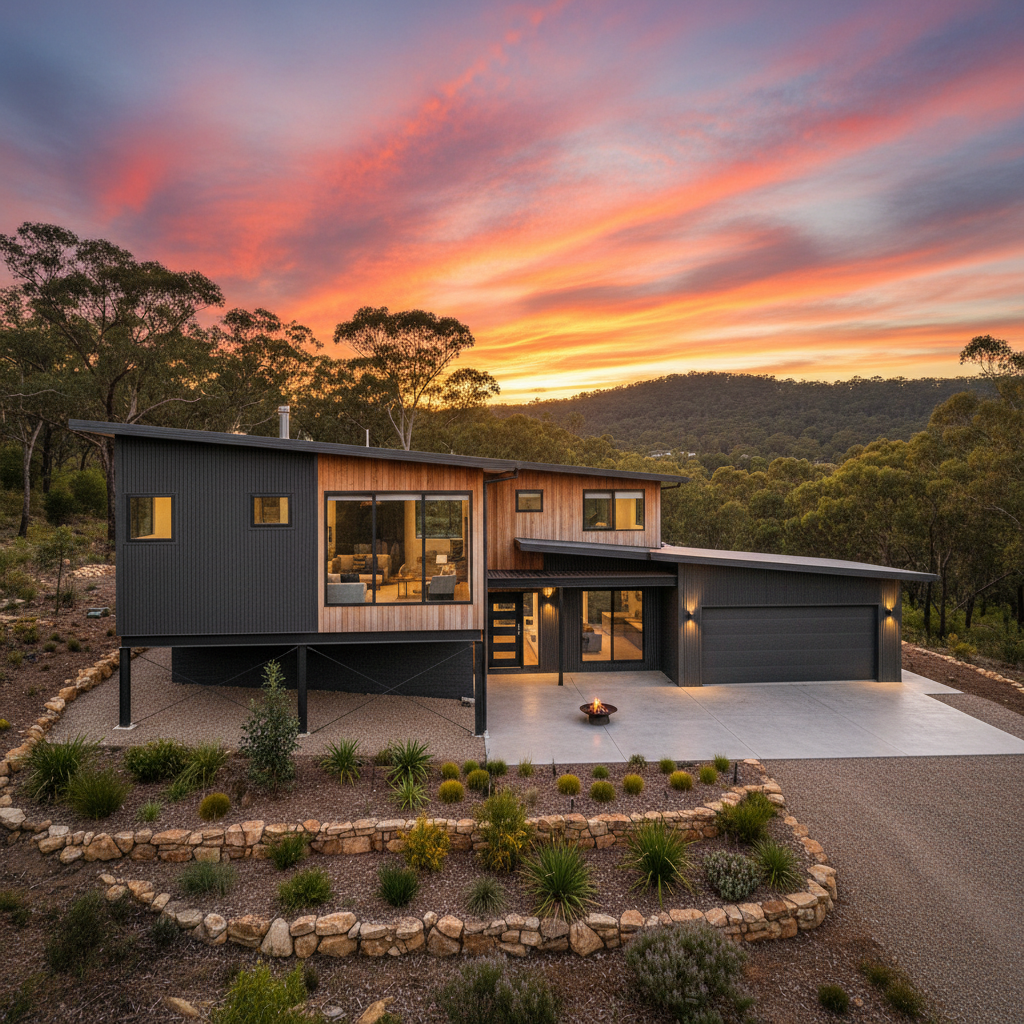
Taking the Reins: The Owner Builder Journey
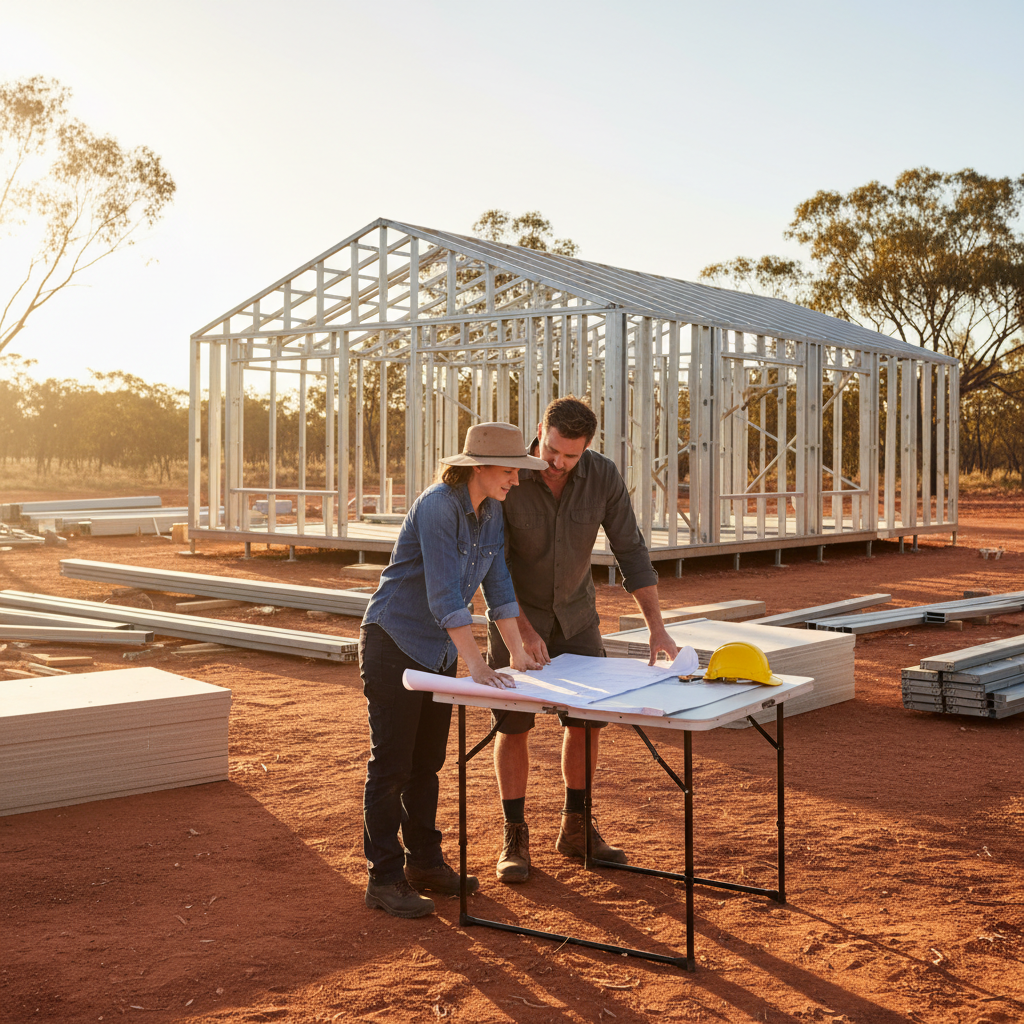
There is a unique sense of pride that comes with standing in the middle of a home you helped bring to life. For many Australians, kit homes represent the perfect balance between self-management and professional engineering. By opting for a steel frame kit, you get the precision of high quality materials like TRUECORE steel, while maintaining total control over the build process. However, wearing the hat of an owner builder means you are also the project manager, the site foreman, and the primary person responsible for risk management.
While we often focus on the fun parts, like choosing your cladding or seeing the roof trusses go up, there is a critical behind the scenes element that can make or break your project: insurance. Navigating the world of insurance as an owner builder can feel a bit like reading a foreign language, but it is the most important safety net you will ever assemble. This guide breaks down exactly what coverage you need to ensure your kit home journey stays on track, no matter what surprises the Australian elements or the construction process might throw at you.
Why Standard Home Insurance Isn't Enough
One of the most common mistakes new owner builders make is assuming their existing home and contents policy, or a standard unoccupied land policy, will cover a construction project. Unfortunately, this is rarely the case. Building a kit home involves specific risks that standard policies are not designed to handle, such as structural failure during construction, theft of materials from an open site, or injury to a visiting tradesperson.
If you are building on a block where you already live, your current insurer might actually void your existing policy once major construction begins. This is why specialized owner builder insurance is non negotiable. You are essentially running a small business for the duration of your build, and your insurance profile needs to reflect that reality.
Construction Risks and Public Liability
The foundation of any owner builder insurance strategy starts with two main components: Construction and Public Liability. These are often bundled together, and for good reason.
Construction Insurance (Contract Works)
This covers the physical assets of your project. When your kit home arrives, you suddenly have thousands of dollars worth of steel frames, roofing, cladding, and windows sitting on your site. Construction insurance protects these materials against fire, storm damage, flood, and vandalism. It also covers the partially completed structure. If a freak Australian summer storm rolls through while your frames are up but the roof isn't secured, this policy is what keeps you from a massive financial setback.
Public Liability Insurance
As the owner builder, you are legally responsible for the safety of anyone who enters your property. This includes delivery drivers, neighbors, or even curious passersby. Public liability insurance provides protection if someone is injured on your site or if your construction activities cause damage to someone else's property. For example, if a piece of cladding blows off in high winds and damages a neighbor's car, you are covered. In Australia, most experts recommend a minimum of $5 million in coverage, though many owner builders opt for $10 million for peace of mind.
Workers Compensation: Looking After the Team
Even if you are doing a significant portion of the work yourself, you will likely hire licensed trades for the plumbing, electrical, and perhaps the slab pour. While independent contractors usually have their own insurance, the lines can get blurry in the eyes of the law, especially regarding 'deemed workers'.
In various Australian states, if you pay a contractor primarily for their labor, you might be classified as their employer for workers compensation purposes. It is vital to check your state's specific regulations (such as through SafeWork or WorkCover). Carrying a voluntary workers compensation policy or a personal accident policy for yourself is also a smart move. Remember, if you get injured and cannot work on the house, the project stalls. Having a plan in place to cover your own recovery is part of being a responsible project manager.
Protecting Your High Quality Materials
One of the benefits of building with a steel frame kit is the longevity and durability of the product. Using BlueScope TRUECORE steel ensures your home is resistant to termites and won't warp over time. However, until those frames are bolted down and the house is locked up, they are a high value asset sitting in the open.
When your kit home package is delivered, the 'transit risk' usually ends once the materials are offloaded. From that moment, the responsibility shifts to you. Your insurance policy should specifically include coverage for theft of unfixed materials. Steel frames and metal roofing are valuable, and unfortunately, construction sites can be targets for theft. Ensuring your policy covers materials stored on site is a key tip for anyone managing a kit build in rural or semi rural areas.
Owner Builder Warranty Insurance
This is a specific type of insurance that often causes confusion. Owner Builder Warranty Insurance (also known as Domestic Building Insurance in some states) is generally not for your protection while you build, but for the protection of future owners.
In most Australian states, if you sell your kit home within a certain period (often six or seven years) after completion, you must provide the buyer with a warranty insurance policy. This covers them for structural defects if you are no longer around or cannot fix the issues. Even if you plan for this to be your 'forever home', life happens. It is much easier to understand the requirements for warranty insurance at the start of the project than to scramble for it years later when you are trying to sell the property.
Practical Tips for Managing Your Risk
Insurance is your safety net, but good site management is your first line of defense. Here are some practical tips for owner builders to keep their project safe and their premiums effective:
- Document Everything: Take photos of your kit materials as soon as they arrive and are unloaded. This proves the condition of the goods and their presence on site.
- Secure the Site: Temporary fencing is not just a safety requirement in many council areas; it also demonstrates to your insurer that you are taking reasonable steps to prevent unauthorized access and theft.
- Verify Your Trades: Always ask for a copy of a contractor's Certificate of Currency for their own Public Liability and Income Protection insurance before they start work on your kit home.
- Declare the Total Value: When applying for insurance, make sure you declare the total replacement value of the finished home, not just the cost of the kit. This includes the value of the slab, the labor, and the internal fit out materials.
The Importance of Professional Advice
Every owner builder project is unique. A small secondary dwelling or a granny flat might have different insurance needs compared to a sprawling four bedroom family home. Because every Australian state has slightly different legislation regarding owner builders, it is highly recommended to speak with an insurance broker who specializes in construction or owner builder policies.
Ask them specifically about 'gaps' in coverage. For example, does the policy cover your tools? Does it cover the build if it takes longer than 12 months? Getting these answers early will prevent a lot of stress during the construction phase.
Final Thoughts
Building a kit home is one of the most rewarding ways to enter the Australian property market or create a custom lifestyle retreat. By choosing a kit with a durable steel frame and high quality components, you are already making a great investment in the future of the structure. Protecting that investment with the right insurance is just as important as choosing the right floor plan.
Don't view insurance as just another cost. View it as a tool that allows you to focus on the build with confidence. When you know that your materials, your site, and your liability are covered, you can enjoy the process of turning those steel frames into a home that will last for generations. Happy building!