Termites: Why Steel Frames Are Your Best Mate Against the Mates of Mayhem in Australian Kit Homes
Alright, let's talk about termites. If you've lived in Australia for five minutes, you know these little buggers are a menace. They chew through timber faster than a starving bloke at a buffet, and they don't care if your house is brand new or a hundred years old. For anyone thinking about building a kit home in Australia, especially if you're an owner-builder doing it yourself, dealing with termites isn't just a suggestion; it's non-negotiable. And honestly, it's why steel frames are the smartest choice you'll ever make.
Last year, we had a customer out near Roma, Queensland. Beautiful block, bit of bush around, classic Aussie setting. He built one of our Rivergum designs, all TRUECORE steel frame. Six months later, his neighbour, who'd gone with a traditional timber frame, found a colony in his wall cavity. Huge drama, chemical treatments, ripping out plaster. Our guy? He just chuckled. Not a worry in the world. That's the peace of mind you get with steel, and it's not just a nice-to-have; it's a genuine game-changer for durability and reducing headaches down the track.
The Unseen Enemy: Why Termites Love Timber
Picture this: a nice, dark, moist timber frame inside your walls. It's an all-you-can-eat smorgasbord for termites. They don't need much, just a tiny crack in your slab or a gap around a pipe penetration, and they're in. Once inside, they work silently, eating away at the structural integrity of your home. By the time you spot the mudding on an architrave or a door jamb that sounds a bit hollow, the damage is often extensive. We're talking tens of thousands of dollars in repairs, sometimes more. It's a proper nightmare scenario, and it happens more often than you'd think, even in suburbia.
Timber is organic, see? It's literally their food source. And with more extreme weather, places that never had big termite problems are now seeing them. Humidity, rain, then hot dry spells - it's the perfect breeding ground for these critters. You can spray chemicals, put in bait stations, do regular inspections, and those are all good measures, don't get me wrong. But you're always on the defensive, always reacting. With a steel frame kit home, you're on the offensive from day one, cutting off their main food supply.
Steel's Unbeatable Advantage: Not a Single Munch
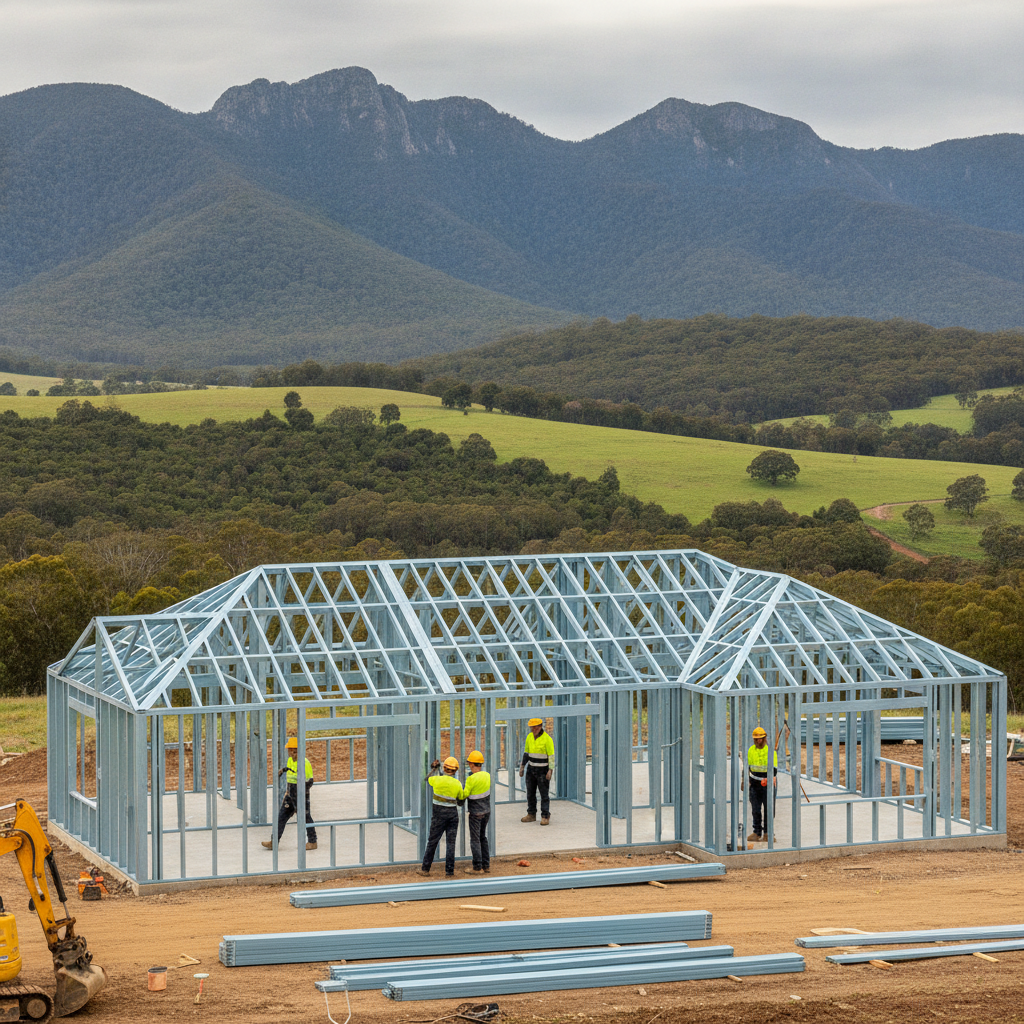
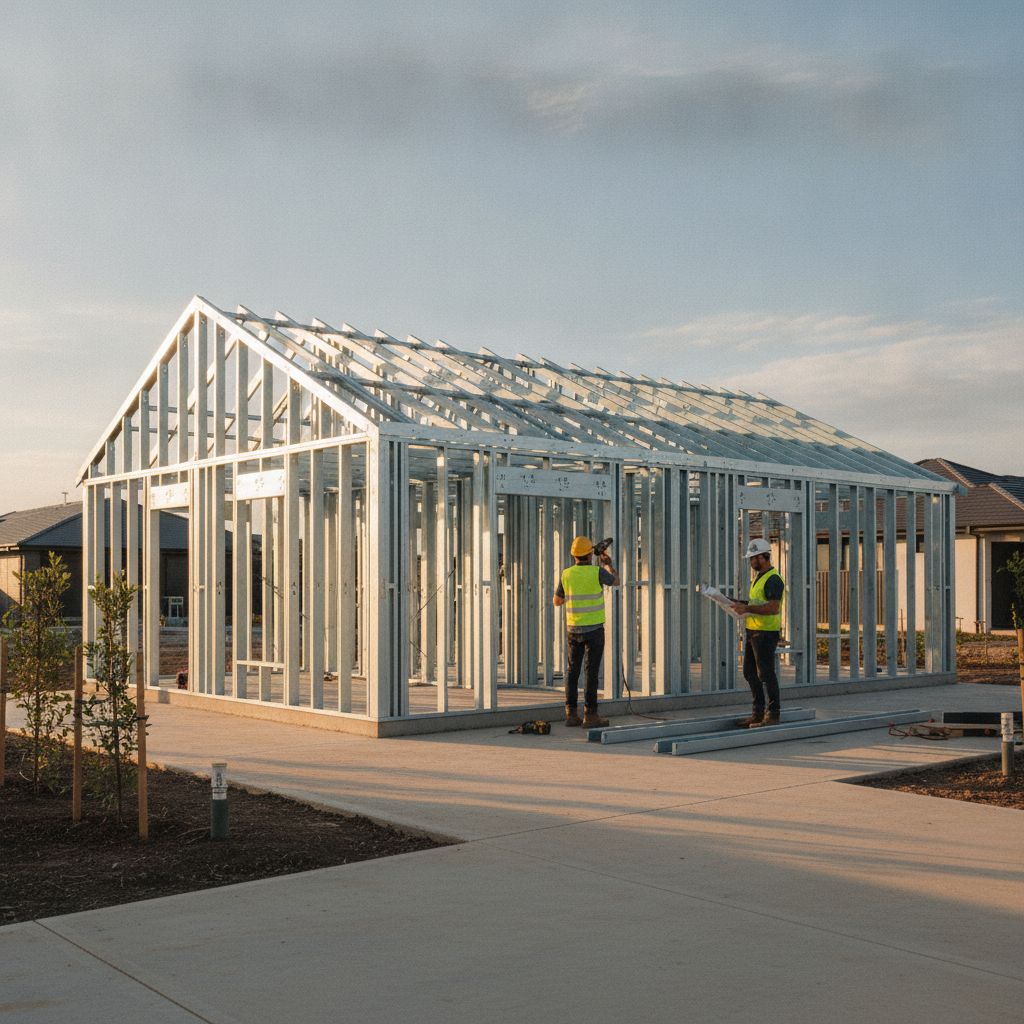
Here's the simple truth: termites can't eat steel. They just can't. It's inorganic. There's no cellulose for them to chomp on. So, when your kit home arrives on site, all those precision-engineered TRUECORE steel frames, trusses, and battens? They’re completely impervious to termite attack. That means no more worry about those creepy crawlies turning your biggest asset into a buffet.
It's not just about the big structural members either. Our kits use steel for the internal wall frames, the roof trusses, the floor joists (if you're on stumps). Every single bit that holds your house up, holds your roof on, or separates your rooms is steel. This isn't just some marketing fluff; it's a fundamental difference in construction that saves you money and stress. Plus, steel frames don't warp, twist, or shrink like timber can, so your plaster stays straighter, and you get fewer nail pops. That's a nice bonus, hey?
Kit Home Tips: Building Smart in Termite Zones
- Choose Steel, Obviously: First and foremost, pick a steel frame kit home. It’s the easiest, most effective termite barrier you can build into your home from day one.
- Slab Protection: Even with steel, you still need to protect your slab edge. Keep gardens, mulch, and stored items away from the perimeter. Termites can still build mud tunnels up the outside of your slab to get to other timber elements in your home, like skirting boards or furniture. Your builder should also ensure a properly installed and maintained termite barrier around the slab itself, as per Australian Standard AS 3660.1.
- Water Management: Fix leaky taps, clear gutters, and ensure good drainage around your home. Termites love moisture, and a damp environment near your foundation is an open invitation.
- Inspect Regularly (Still!): Even with steel frames, it’s still wise to do annual visual inspections, especially around any timber elements, stored items, and the subfloor if you have one. Look for mud tunnels, damaged timber, or any unusual signs. Peace of mind is priceless.
- No Timber-to-Ground Contact: Make sure no timber elements of your home, including deck posts or pergolas, are in direct contact with the soil. Always use stirrups or ensure treated timber is rated for ground contact and properly isolated.
Owner Builder Tips: Your Role in Termite Defence
As an owner-builder, you’re the boss. This means you’re also responsible for making sure your site is prepped right and that your build is termite-resistant. It’s not just about the frame; it’s about the whole picture.
When your slab goes down, make sure your concreter understands the importance of the slab edge exposure for termite inspections. There's an Australian Standard for it, AS 3660.1. Your slab should be inspected and passed before you start putting up your frames. Make sure you get that certificate for your records, too. Don't be shy about asking questions and getting photos of the barrier installation. If you're using a chemical barrier, you need to know what's been put down and when it needs re-treating. If it's a physical barrier, you need to check it hasn't been compromised during construction.
Also, think about what you’re bringing onto the site. Don’t stack timber offcuts or old pallets right up against your new slab. Keep the site clean. Once the house is up, ensure landscaping doesn't compromise your perimeter. Don't build garden beds higher than your slab and cover up the inspection zone. You need to keep that area visible and clear for future inspections. It's all about making your home a fortress, not a feasting ground.
The Bigger Picture: Durability and Longevity
Beyond termites, steel frames offer a whole host of other advantages that contribute to the longevity of your kit home. They’re non-combustible, which is a massive plus for those of us living in bushfire-prone areas in Australia – think BAL ratings and insurance premiums. Steel doesn't rot, warp, or twist, even in our harsh Australian climate. Humidity, extreme heat, heavy rain – steel handles it all with ease. Timber, bless its heart, can expand and contract, leading to cracking plaster and sticking doors down the track. Steel gives you a straighter, truer wall, which makes gyprocking and finishing a lot easier for you, the owner-builder.
Plus, because steel is stronger for its weight, you often get larger clear spans and more design flexibility. Want a big open-plan living area? No worries. Our designs are engineered for this. It all adds up to a more robust, low-maintenance home that stands the test of time, without needing constant termite inspections or worrying about what's chewing away inside your walls while you sleep. It’s just smarter building, plain and simple.
Final Word: Build Once, Build Right, Forget the Termites
Look, building a kit home is a big undertaking. You put in the hard yards, the sweat, and the cash. You want it to last. You want to enjoy your home, not spend your weekends stressing about pest control. Choosing a TRUECORE steel frame for your Australian kit home is a fundamental decision that locks in a huge amount of peace of mind. It’s an investment in the future durability and resilience of your property.
Forget the endless chemical treatments and the yearly scramble for an inspection. Just build it right from the start. Steel frames mean termites have nothing to eat, nowhere to hide within your structure. It's a simple, elegant solution to one of Australia's biggest home ownership headaches. Do yourself a favour. Go steel. You won't regret it.