Juggling a Day Job & Your Rural Kit Home Build: Time Management for Owner-Builders
So, you’ve got the dream. The block out past the black stump, the kit home plans spread across the kitchen table, and maybe even a stack of TRUECORE steel frames already delivered. Problem is, that dream needs cash, and cash means you've still got to front up to the daily grind. Full-time job, full-time build, and a life somewhere in between. It's not for the faint-hearted, I'll tell you that for free. But look, plenty of owner-builders before you have pulled it off, myself included. It takes bloody good planning and a fair bit of grit. Let's dig into how you actually get this done without losing your job, your partner, or your mind.
The Cold, Hard Truth: It’s a Second Job
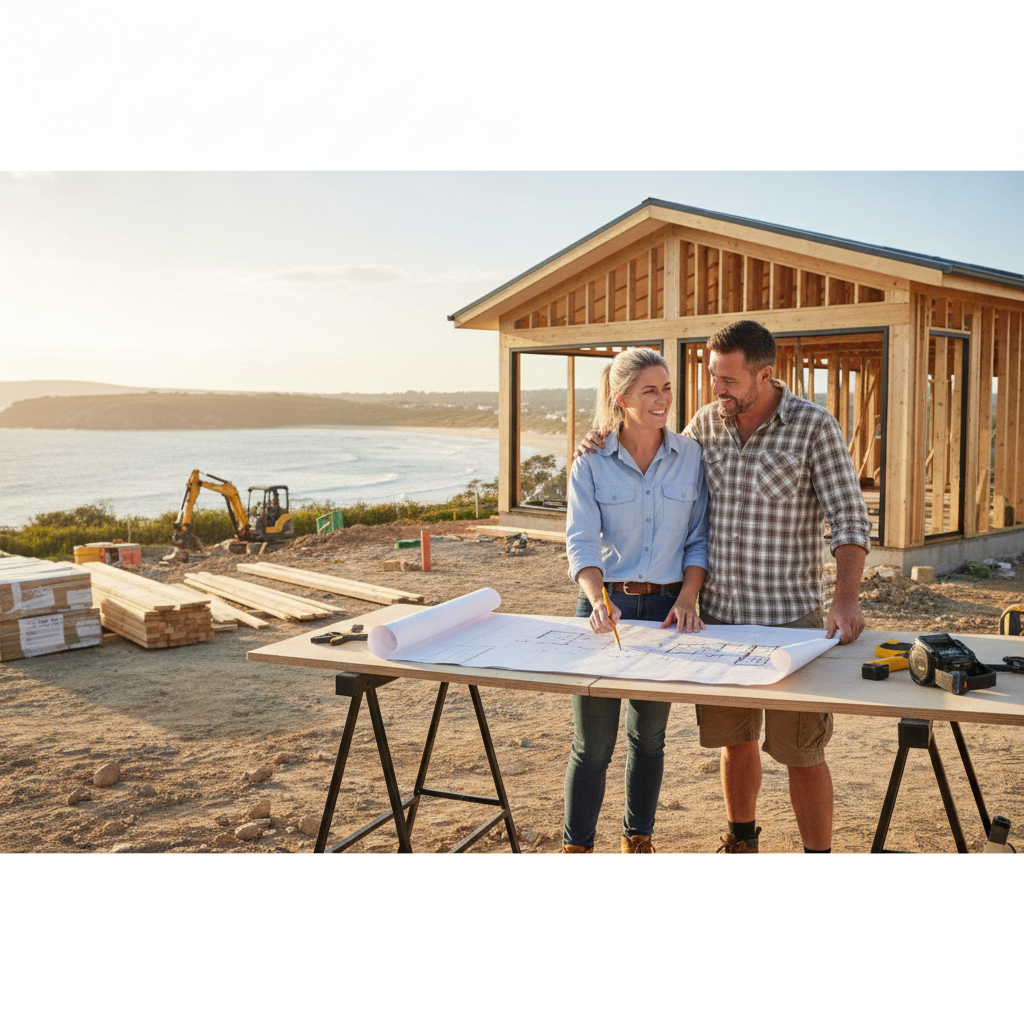
First up, shake off any romantic notions of leisurely weekends spent hammering nails. Building your own home, especially a kit home out in the sticks, isn't a hobby. It's a second job, a serious one, and it's going to eat up every spare hour you have. Weekends will disappear. Public holidays? Forget about them. You'll be spending them knee-deep in soil or wrangling roofing sheets. This isn't to scare you off, mind. It’s to set the expectation. When you treat it like a serious commitment, you plan for it properly. You don't just 'fit it in'.
Rural builds throw in extra curveballs too. Distances to the nearest Bunnings are longer. Deliveries can be a nightmare if the truck can't get down your dirt track after a bit of rain. And good luck finding a qualified tradie who wants to drive an hour out of town for a half-day job. All this adds time, big chunks of it, to your already stretched schedule.
Mastering the Micro-Project: Breaking Down the Beast
The entire build, from site prep to final paint, is overwhelming. That's a given. Your secret weapon, especially with a full-time gig, is breaking it down into tiny, manageable tasks. Think micro-projects. Instead of 'put up the frames', think: 'unload delivery truck', then 'sort out frame bundles for wall 1', then 'bolt together bottom plate of wall 1'. Each small task needs to be something you can knock over in an hour or two after work, or a solid half-day on a Saturday.
For instance, one evening you might spend 45 minutes just marking out where the plumbing goes in the slab. Another evening, you're on the phone, chasing up three different quotes for the septic system. Weekends are for the bigger pushes – getting a couple of walls up, sheeting a section of the roof. Don't try to do everything at once. You'll just burn out.
The Power of the Weekend Warrior – Maximising Your Days Off
Weekends are gold. Pure gold. You need to treat them like a professional job site. Before Friday knocking off time, you should have a clear, written plan for Saturday and Sunday. What materials do you need? Are they on site? What tools are ready? Is the weather looking good?
Get up early. Don't sleep in. You've got limited hours, and the sun waits for no one, especially in summer when you want to get big jobs done before it cooks you. Set specific, achievable goals for each day. Maybe Saturday is for finishing off the roof purlins. Sunday could be for getting half the fascia up. And stick to it. Avoid distractions. Your mates wanting to pop out for a beer? Tell 'em you're busy. You're building a house, mate!
I remember one blustery spring weekend, we had a major push to get the roof battens on our rural kit home near Armidale. The wind was whipping, threatening to take a sheet of COLORBOND straight over the paddocks. We started at dawn, two of us, and didn't stop until dusk, getting those last few rows nailed down. The sense of accomplishment was massive. But that only happened because we had everything planned, the materials were there, and we just pushed through.
Evenings: The Admin & Prep Time
After a full day at work, the last thing you usually want to do is more work. But your evenings are crucial for the build. These hours aren't for swinging hammers, usually. They're for the brain work. This is when you make calls – chasing suppliers, lining up tradies for quotes, confirming deliveries. This is when you check your plans against the NCC Volume 2 requirements, ensuring you haven't missed a crucial detail for your local council's certifier. This is also when you organise your tools for the next day, clean up the site a bit, and generally get ready for the weekend push.
Think about it: five evenings a week, even if you just put in an hour each, is an extra five hours of productive build management. That adds up fast. It also means when you hit the site on Saturday morning, you're not wasting precious daylight sorting out what you're doing, or driving into town for that one fitting you forgot.
Scheduling Trades & Materials – The Art of the Jigsaw Puzzle
This is where your time management skills truly get tested. Coordinating tradies and material deliveries, especially for a rural kit home, is like herding cats. You need to be ahead of the curve, constantly. Your plumber needs to know when the slab is curing, not the day it's poured. Your electrician needs a heads-up on when the frames are up and locked. Because these guys are busy, and getting them to your remote site takes extra convincing.
For steel frame kit homes, like the ones we supply, the frame erection often goes up quicker than timber. That's a huge benefit. But it also means you need your next steps – electrical rough-in, plumbing rough-in – lined up even faster. If you’re getting cladding like COLORBOND custom cut, you need to order that well in advance. Don't assume materials are just sitting on a shelf waiting for you. Lead times, especially for anything specialised or delivered to a rural address, can be weeks. Always add a buffer to any delivery estimate.
The Partner/Family Factor: Getting Everyone Onboard
Unless you're flying solo, your partner and family are going to be living and breathing this build with you. They'll be sacrificing weekends, dealing with a dusty house, and probably eating a fair bit of barbecue because cooking indoors is a nightmare. It's vital to have open, honest conversations with them right from the start. Explain the time commitment. Set expectations. And schedule in some non-build time – a movie night, a family dinner, even if it's just for a few hours. This isn't just about 'getting permission' to build; it's about maintaining those vital relationships.
Sometimes, they can even lend a hand. Hauling timber offcuts, cleaning up the site, holding a tape measure. Every little bit helps, and it makes them feel invested, not just inconvenienced. One summer, my kids were old enough to help with insulation batts. Trivial stuff, sure, but it saved me time and got them involved in 'their' new house.
Don’t Forget the ‘ME’ Time (Seriously)
It's easy to get completely consumed by the build. You'll work all day, work all evening, work all weekend. And then you'll wake up Monday feeling like you've done two weeks' worth of labour. That's a fast track to burnout. You need to schedule in actual downtime. Even just an hour away from the site, reading a book, going for a walk, or kicking a footy with the kids. It sounds counterproductive, but a refreshed brain is a far more efficient brain.
Think about it like this: if your car's constantly running on fumes, it's eventually going to break down. You're the same. Recharge those batteries, even for a short burst. It's not lazy; it's strategic. Your owner-builder project is a marathon, not a sprint.
The Wrap-Up: It's Achievable, But It's Hard Yakka
Building your own kit home, especially a rural one, while holding down a full-time job, is undoubtedly a massive undertaking. There will be frustrating days. Days where the weather turns against you, a delivery gets delayed, or you just can't get that one bolt to line up. But with meticulous planning, realistic expectations, and a healthy dose of Aussie resilience, it's absolutely achievable. Break it down, use your evenings wisely, smash the weekends, and look after yourself. The satisfaction of moving into that house, built with your own two hands, while still earning a living, well, that's a feeling that beats most things. You've got this.