Finding the Sweet Spot: Why Size Matters in the Australian Kit Home World
So, you have secured a beautiful patch of Australian dirt and you are ready to build. The dream of becoming an owner builder is exciting, but before you start picking out floor coverings or kitchen taps, you face one of the most critical decisions of the journey: how big should your home actually be? Choosing the right size for your kit home isn't just about how many people sleep there tonight. It is about how you will use the space in five years, how the house sits on your specific block, and how it flows with the natural environment.
In the world of kit homes, flexibility is a huge advantage. Because your home arrives as a high quality collection of steel frames and components, you have the ability to think critically about layout and scale before a single bolt is tightened. This guide is designed to help you navigate the delicate balance between land limitations and lifestyle aspirations.
Assessing Your Land: The Physical Constraints
The first step in choosing a kit home size has nothing to do with your internal wishlist and everything to do with the physical reality of your block. In Australia, we deal with everything from narrow suburban infill lots to sprawling rural acreages, and each comes with its own set of rules.
Setbacks and Easements
Every local council in Australia has specific regulations regarding setbacks, which is the distance your home must be from the front, side, and rear boundaries. You might have a 600 square metre block, but your buildable area could be significantly smaller once you factor in these requirements. Always check for easements too, such as sewer lines or electricity corridors, where you are strictly forbidden from building. These physical barriers often dictate the maximum footprint of your kit home.
Topography and Orientation
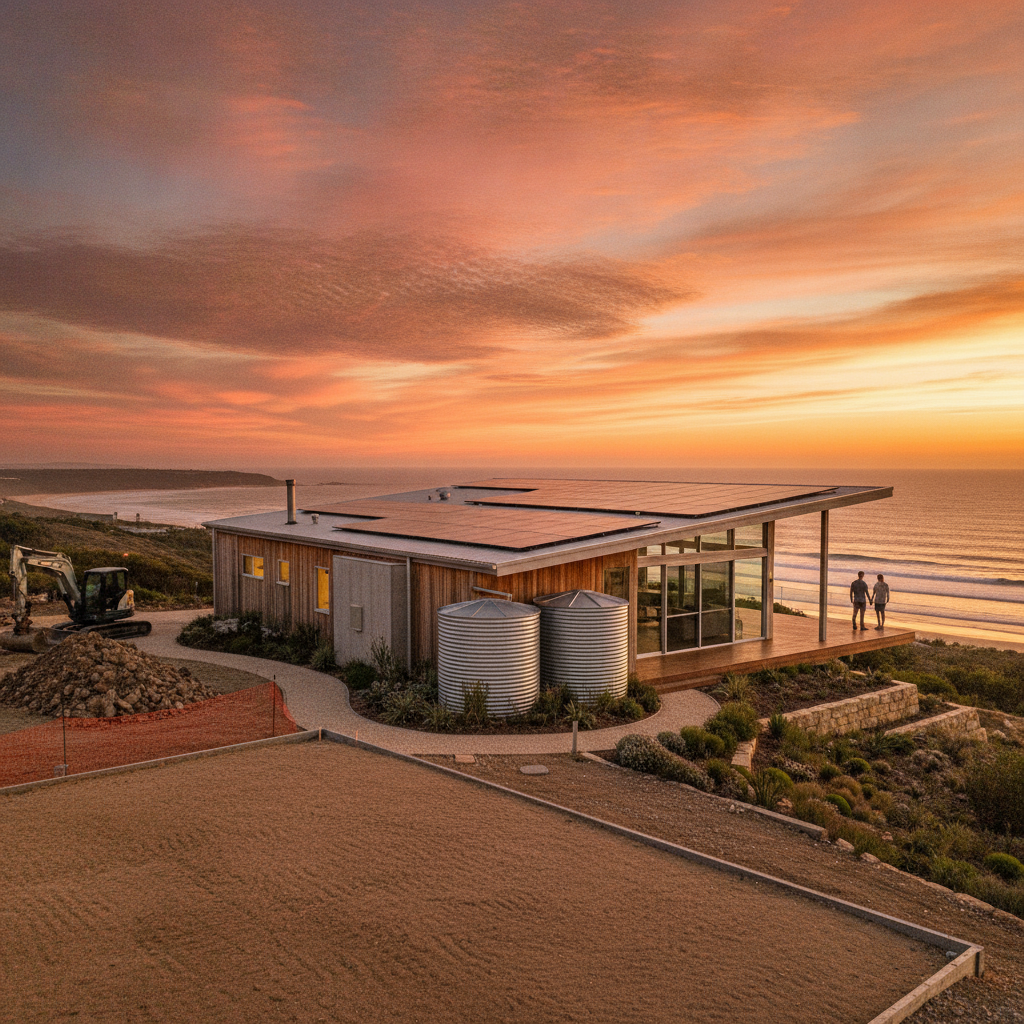
Is your land flat, or does it have a significant slope? On a sloping block, a larger footprint often leads to higher site costs and more complex earthworks. Sometimes, opting for a smaller, two storey kit home design is a smarter way to gain floor space without the massive footprint. Additionally, consider the sun. A well sized home allows you to orient your living areas to the north, capturing that beautiful winter sun and reducing your reliance on artificial heating.
Evaluating Your Lifestyle: Today vs. Tomorrow
When people think about home size, they often jump straight to a bedroom count. While that is important, lifestyle is really about how you move through a space. A 150 square metre home can feel palatial if designed well, while a 250 square metre home can feel cramped if the rooms are poorly proportioned.
The 'Must-Haves' vs. 'Nice-to-Haves'
One of the best kit home tips is to write two lists. Your must-haves might include a home office if you work remotely, or a large mudroom if you are building on a rural property with lots of red dust. Your nice-to-Haves might be a dedicated media room or a formal dining area. If your land is small, prioritizing your must-haves ensures you don't sacrifice essential living quality for a room you might only use twice a year.
Future Proofing Your Design
Are you a growing family, or are the kids about to fly the coop? Kit homes are a long term investment. If you are planning for a family, look for designs that offer a 'kids wing' or flexible spaces that can transition from a playroom to a study nook. For those looking to downsize, a smaller footprint with high ceilings and wide corridors can provide a sense of luxury without the maintenance of a massive house.
The Multi-Functional Space Revolution
In modern Australian housing, bigger isn't always better. The trend is moving toward smarter footprints. Instead of a dedicated guest room that sits empty 90 percent of the year, consider a medium sized kit home with a multi-purpose room. With the right furniture and layout, a home office can easily double as a guest suite.
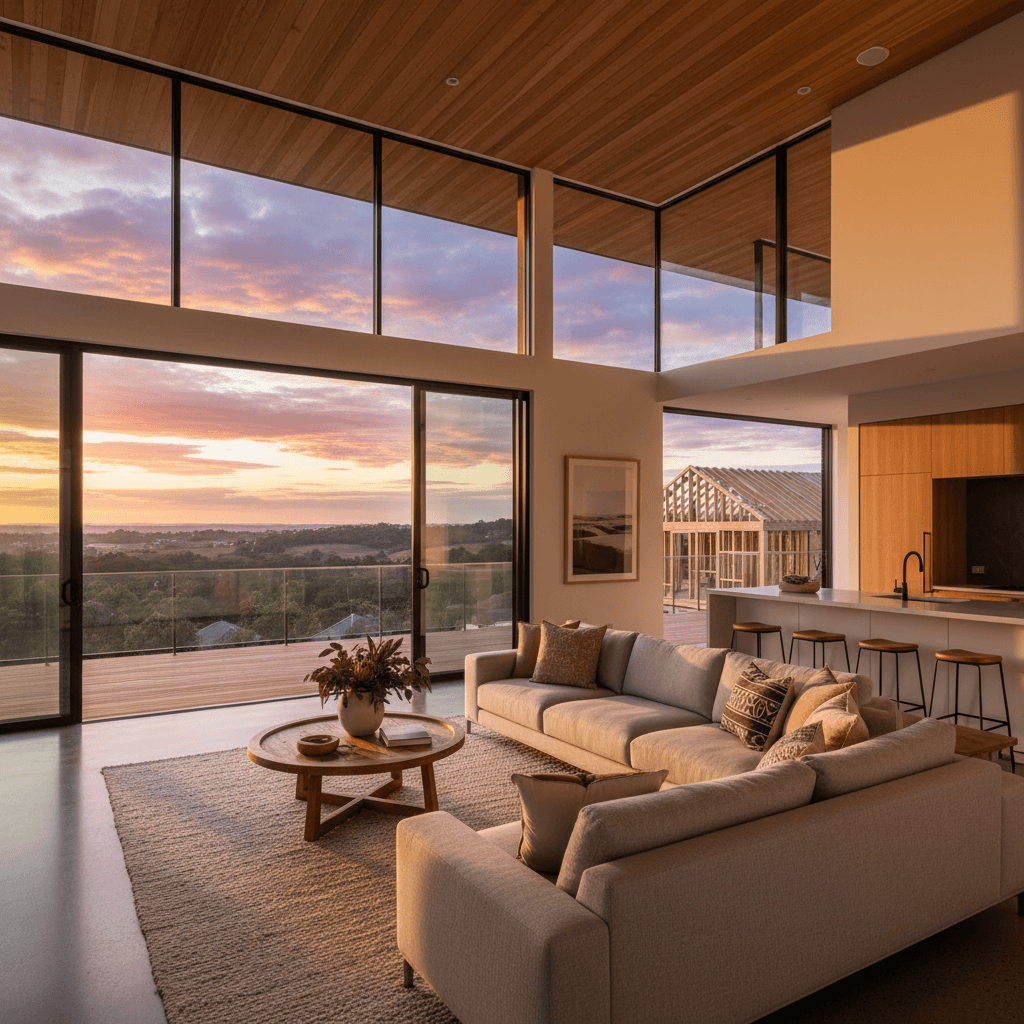
Open plan living is another way to make a smaller kit home feel much larger. By combining the kitchen, dining, and lounge into one generous Great Room, you eliminate unnecessary hallways and internal walls. This not only makes the home feel airier but also allows for better cross ventilation, a must for the Australian climate.
The Role of Materiality and Quality
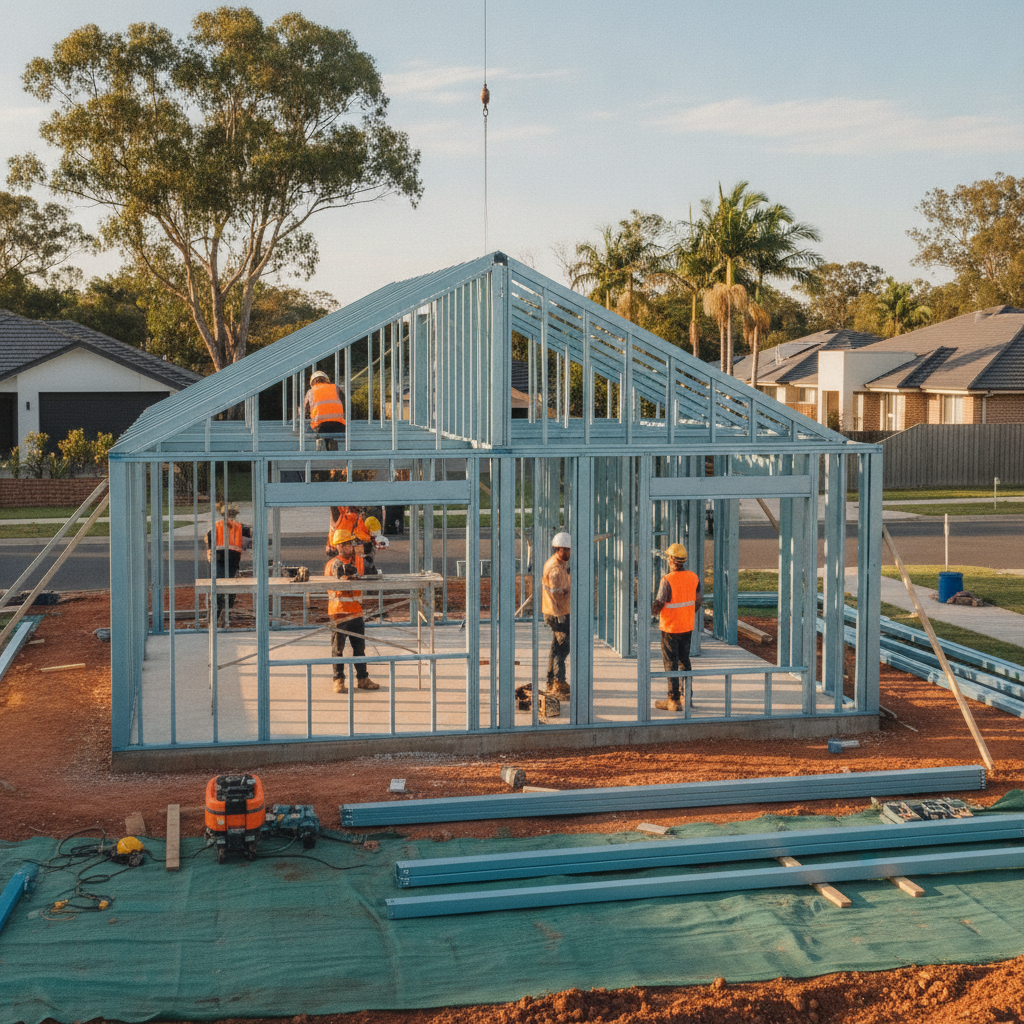
When you are an owner builder, you want to know that the bones of your home are built to last. This is where the choice of a steel frame kit home becomes a significant advantage. Using BlueScope TRUECORE steel ensures that your frames remain straight and true, which is essential for maintaining the clean lines of your chosen design over the years. Steel is also termite proof and non combustible, providing peace of mind regardless of whether you are building in a bushfire prone area or a coastal suburb.
The durability of your materials allows you to focus on the design. Because steel has a high strength to weight ratio, it often allows for larger spans and bigger windows without the need for bulky support pillars. This means even a modest sized kit home can feature expansive glass doors that lead onto a deck, effectively blurring the lines between indoors and out and making your living space feel twice as big.
Indoor-Outdoor Flow: Extending Your Footprint
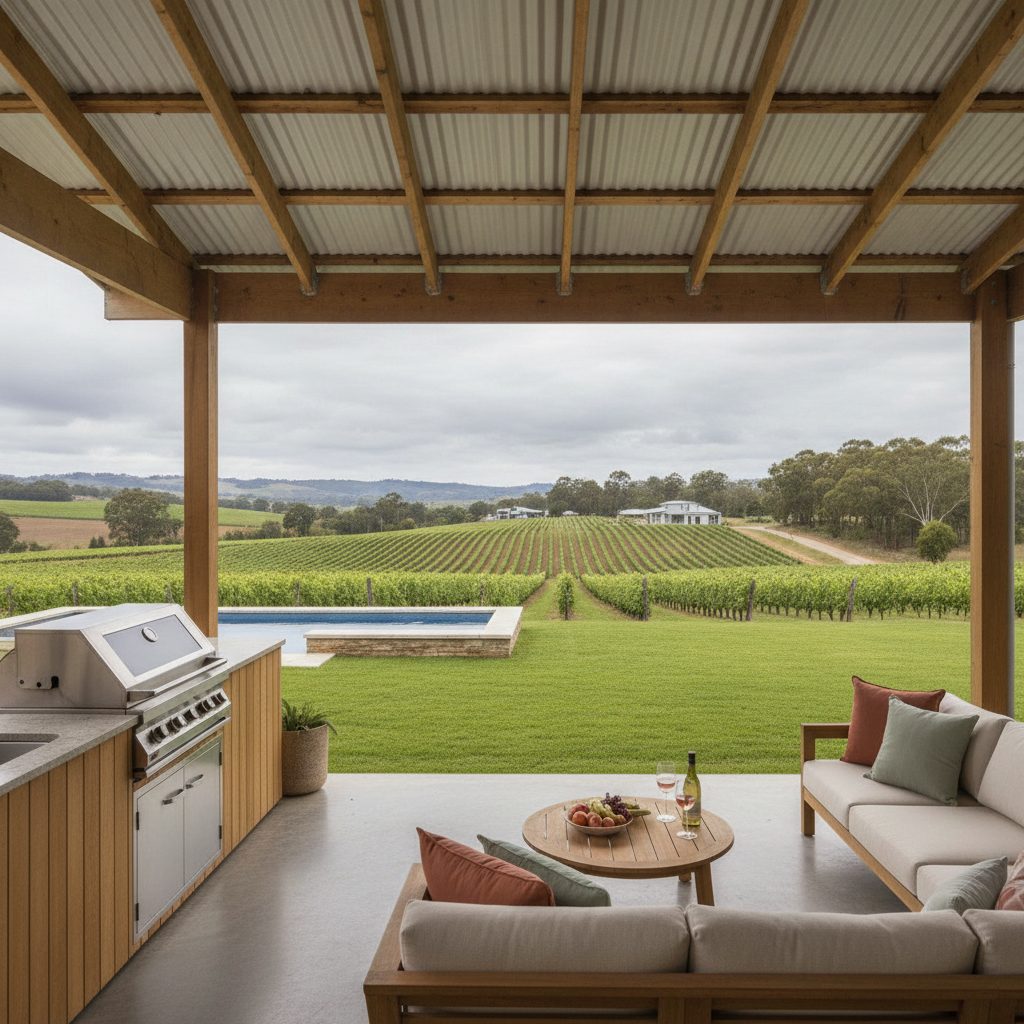
In Australia, our 'living room' often extends well beyond the back door. When choosing your kit home size, don't forget to factor in your outdoor living areas. A smaller internal floor plan paired with a generous, well covered deck or alfresco area is often more functional for the Australian lifestyle than a massive interior with no outdoor connection.
If you are on a smaller block, think about how the house relates to the yard. Can you see the garden from the kitchen? Is there a direct path from the living room to the BBQ area? These visual and physical connections make a home feel spacious and integrated with its environment, regardless of the actual square meterage.
Practical Tips for the Planning Phase
1. Use Grid Paper or Digital Tools: Grab some graph paper and map out your block to scale. Cut out the footprints of different kit home designs and move them around. It is the easiest way to visualize how much backyard you will have left.
2. Visit Display Homes or Friends: Sometimes it is hard to visualize what 12 square metres looks like for a bedroom. Visit homes with similar room sizes to get a feel for the scale. Take a tape measure with you!
3. Think About Storage: Smaller homes need smarter storage. When looking at kit home floor plans, check for linen cupboards, built-in robes, and pantry space. If the plan is lacking, talk to your provider about how you can incorporate these during the fit-out phase.
4. Consider Ceiling Height: High ceilings are a secret weapon. A small room with a 2.7m or 3m ceiling feels significantly larger and more luxurious than the same room with a standard 2.4m ceiling.
Final Thoughts: The Right Size for You
Choosing the right kit home size is a personal journey that requires a bit of logic and a lot of imagination. It is about finding the point where your daily needs meet the constraints of your land, all while keeping an eye on the future. By focusing on smart design, multi-functional spaces, and high quality materials like steel frames, you can create a home that feels perfectly proportioned for your life.
Remember, as an owner builder, you are in the driver's seat. Take the time to measure twice and plan once. Whether you opt for a compact, sustainable cottage or a large family homestead, the goal is to create a space where you feel comfortable, inspired, and truly at home in the Australian landscape.