Finding the Sweet Spot Between Space and Site
So, you have secured a beautiful piece of Australian dirt and you are ready to make your mark with a kit home. It is an exciting milestone, but before you get caught up in choosing kitchen tapware or floorboards, there is a much bigger decision at hand: size. Choosing the right dimensions for your new home is about more than just square metres, it is about how those metres interact with your land, your daily habits, and your long-term goals.
In the world of kit homes, the 'bigger is better' mentality can often lead to unnecessary maintenance and underutilised rooms. Conversely, going too small might save on the initial kit delivery but leave you feeling cramped within a few years. Finding that 'Goldilocks' zone requires a blend of practical site analysis and a deep dive into how you actually live. Let’s look at how to navigate the sizing process to ensure your new home fits like a glove.
Start with the Land: Working with Your Canvas
In Australia, our landscapes vary from sloping coastal blocks to expansive rural acreage. Your land is the primary factor that will dictate the footprint of your kit home. Before falling in love with a massive five-bedroom floor plan, you need to understand the physical and legal constraints of your block.
Setbacks and Easements
Every local council has rules about how close you can build to your boundaries. These are known as setbacks. You might have a 1,000 square metre block, but if you have a primary street setback of six metres and side setbacks of two metres, your buildable area shrinks significantly. Check for easements as well. These are areas of your land that authorities can access for services like sewage or electricity, and you generally cannot build permanent structures over them.
The Slope of the Land
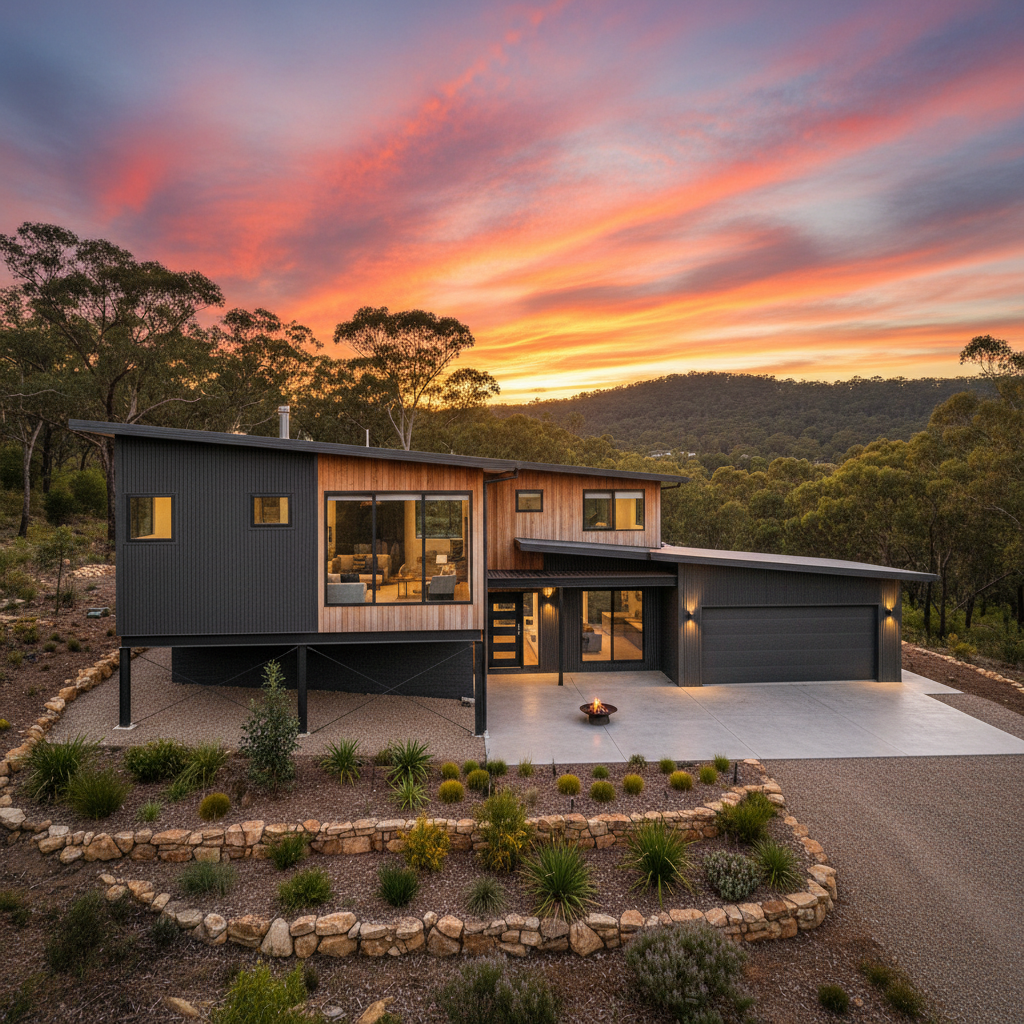
A flat block is a blank canvas, but a sloping block adds complexity. If you are an owner-builder, remember that a larger footprint on a steep slope usually means more excavation, more retaining walls, or a more complex sub-floor system. Sometimes, choosing a narrower or two-storey kit home can be a smarter way to manage a slope, allowing you to capture views without massive earthworks costs.
Solar Orientation
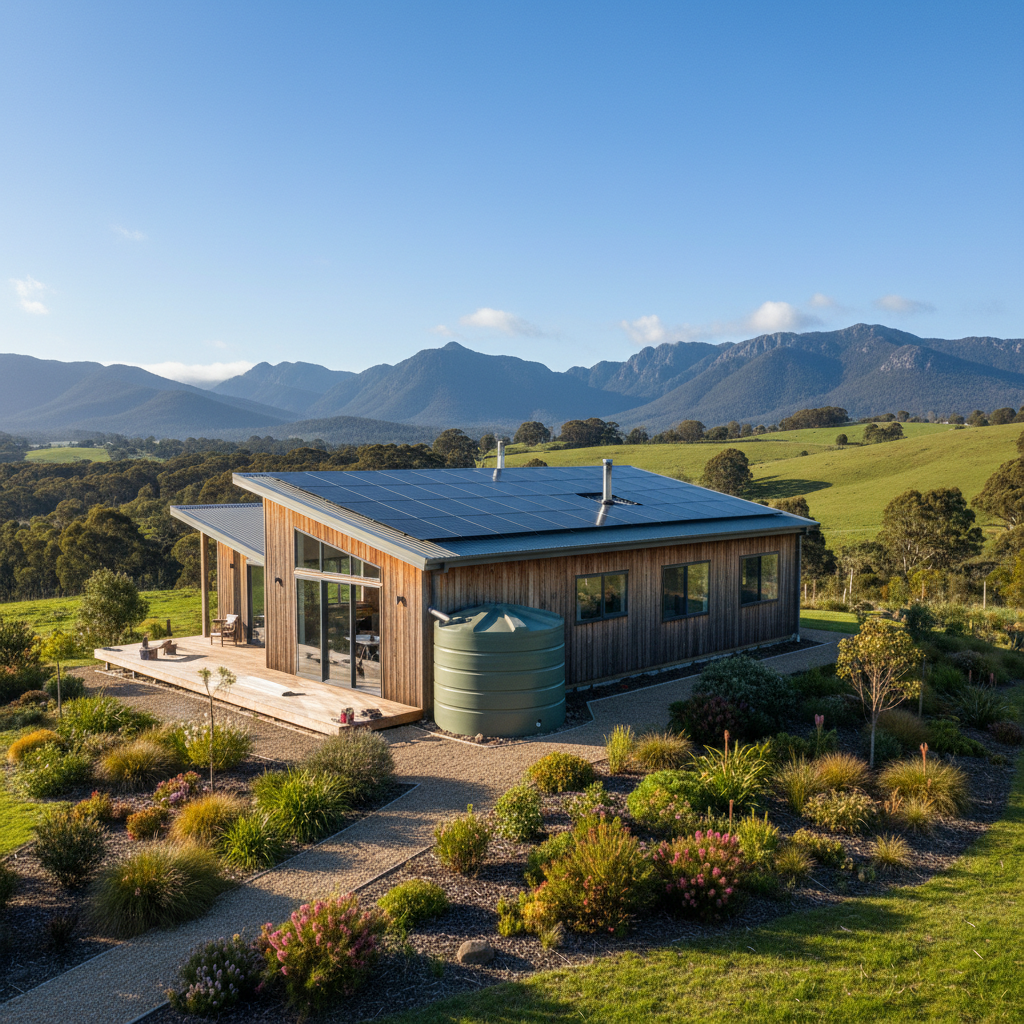
Sizing your home isn't just about length and width, it is about where that mass sits in relation to the sun. In the southern hemisphere, you want your main living areas facing north to soak up the winter sun. If your block is narrow, a long and thin kit home design might be the best way to ensure every room gets natural light and stays energy-efficient throughout the year.
Lifestyle Logic: How Do You Actually Use Your Space?
Once you know what the land will allow, it is time to look inward. Be honest about your lifestyle. Do you really need a formal dining room if you usually eat at the kitchen island or out on the deck? Do you need four bedrooms, or would three bedrooms and a clever multi-purpose 'flex' room serve you better?
The Rise of the 'Flex' Room
Modern Australian living leans toward flexibility. A medium-sized kit home can feel much larger if it includes a room that can pivot. A room styled as a home office during the week can serve as a guest bedroom on the weekend. By prioritising versatile spaces over dedicated single-use rooms, you can often opt for a smaller, more manageable kit size without sacrificing functionality.
Outdoor Integration
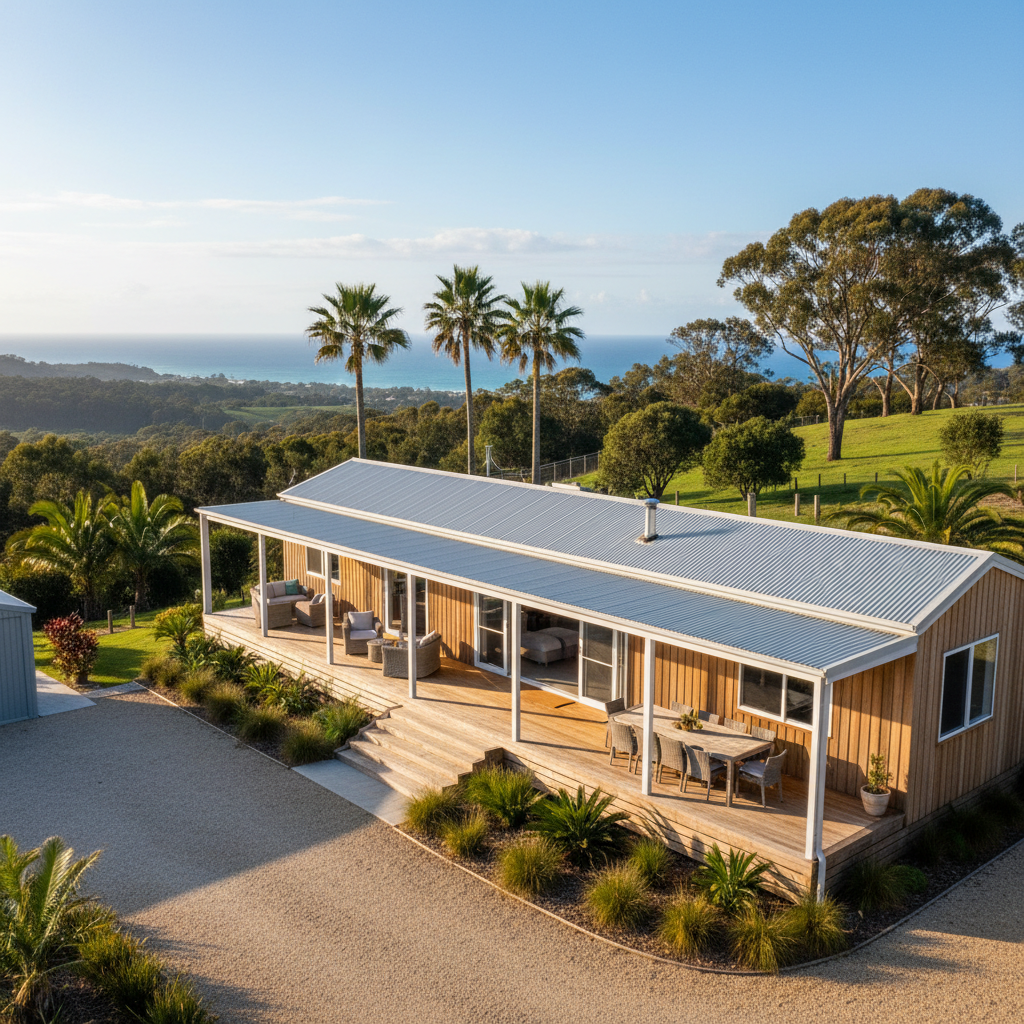
One of the best things about the Australian climate is the ability to live outdoors for much of the year. When calculating the size you need, think about your deck or verandah as an extension of your floor plan. A 120 square metre kit home with a generous 40 square metre wrap-around verandah often feels and functions better than a 160 square metre home with no outdoor transition. This is where kit homes really shine, as steel frames allow for wide openings and seamless transitions to alfresco areas.
Future-Proofing Your Build
When you are an owner-builder, you are investing your own sweat equity into the project. You want the result to serve you for decades. Consider where you will be in ten years. If you are a young couple, is there room for a nursery? If you are planning for retirement, are the hallways and doorways wide enough for easy access as you age? Sizing your home for your 'future self' prevents the need for renovations or moving just as you have finally settled in.
Zoning for Privacy
Even in a smaller kit home, clever zoning can make the space feel more generous. Putting the master bedroom at one end and the secondary bedrooms at the other creates a 'parents' retreat' feel. This separation is vital for harmony in family homes, allowing different activities to happen simultaneously without everyone feeling like they are on top of each other.
The Practical Advantages of the Kit Approach
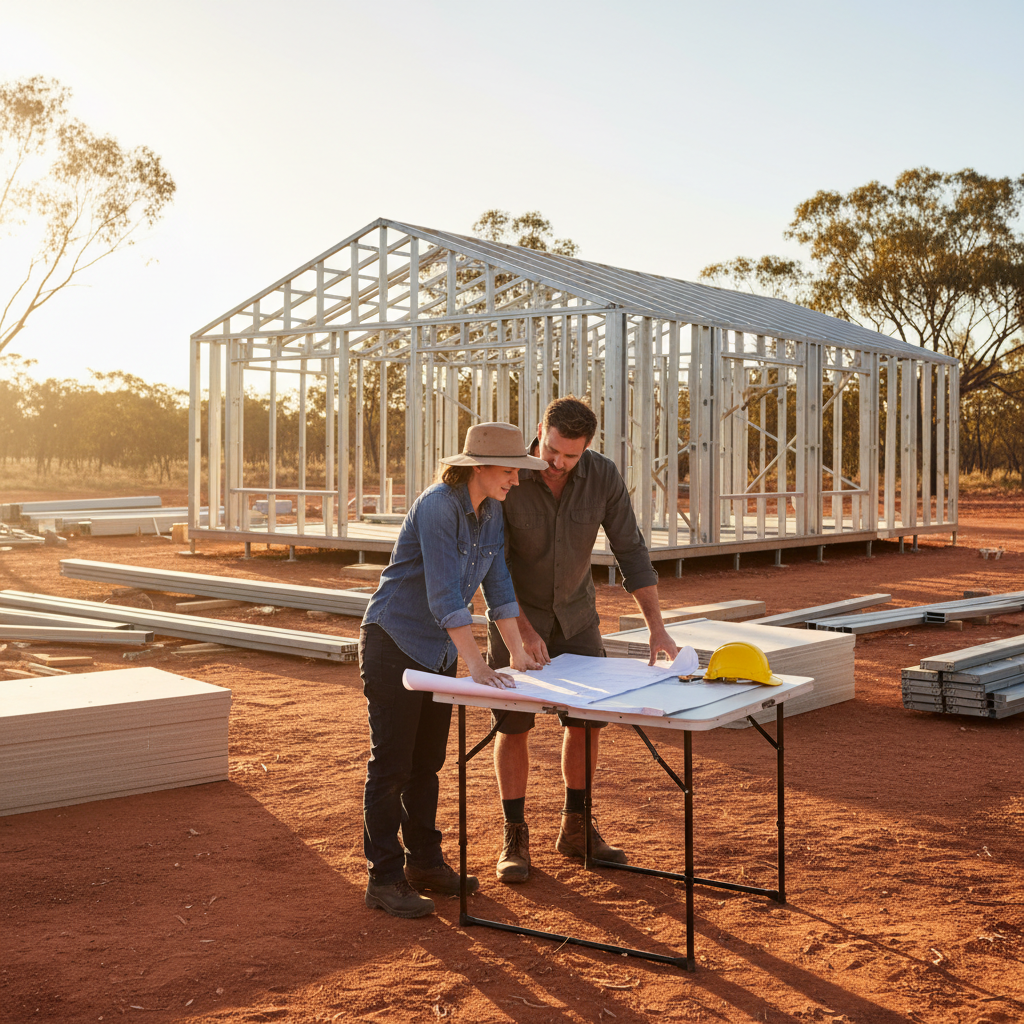
Choosing a kit home means you are receiving a precision-engineered package. Because the components, such as the TRUECORE steel frames, are manufactured to exact specifications, you know exactly what the dimensions will be before a single pier is poured. This level of certainty is a huge advantage for owner-builders who need to coordinate trades and site works accurately.
Why Steel Frames Support Better Design
Using steel frames in your kit home allows for some fantastic design freedom that can influence your size choice. Steel has a high strength-to-weight ratio, which often allows for larger open-plan spans without the need for bulky internal load-bearing walls. This means you can achieve a spacious, airy feel in a smaller overall footprint. If you can remove a wall and let the kitchen flow into the lounge, the home feels bigger, even if the total square metres remain the same.
Checklist for Finalising Your Size
- Visit display homes: Take a tape measure. If you like the size of a bedroom, measure it. You might find that 3.0m x 3.0m is plenty, or you might realise you definitely need 3.6m x 3.6m.
- Stake it out: Go to your block with some stakes and string. 'Build' the perimeter of the kit home you are considering. This gives you a physical sense of how much backyard you will have left.
- Think about the 'wet areas': Kitchens and bathrooms are the most complex parts of any build. A larger home with three bathrooms will take significantly more time to finish than a home with two well-designed ones.
- Storage is king: A smaller home can feel huge if everything has a place. Look for kit designs that allow for built-in robes and linen cupboards.
Conclusion
Choosing the right kit home size is a personal journey that sits at the intersection of your dreams and your reality. By respecting the constraints of your land and being realistic about your daily needs, you can select a floor plan that provides comfort without the burden of excess. Whether it is a compact getaway or a sprawling family residence, the beauty of a kit home lies in its ability to be tailored to the Australian way of life. Take your time, walk your land, and imagine the life you want to lead. The right size isn't just a number on a plan, it is the space where your future memories will fit perfectly.