Picking the Right Layout: More Than Just Four Walls
You've decided to take the plunge and build your own home. That's a massive call, and honestly, a pretty exciting one. But once the initial buzz of looking at glossy brochures fades, you're faced with the most critical decision of the whole project: the floor plan. It's the skeleton of your daily life. If you get it wrong, you'll be frustrated every time you try to carry groceries from the ute or host a weekend barbie.
We've seen plenty of owner builders get caught up in how a house looks from the street while completely forgetting how it feels to actually live inside it. A floor plan isn't just a drawing. It’s how you’ll move, breathe, and relax. Let’s suss out how to choose a layout that actually works for your clan.
Think About How You Actually Live
Before you start obsessing over square meterage, take a minute to think about your current morning routine. Is everyone tripping over each other in the hallway? Does the sound of the TV in the lounge room keep the kids awake in the back bedrooms? These are the real-life problems a good floor plan solves.
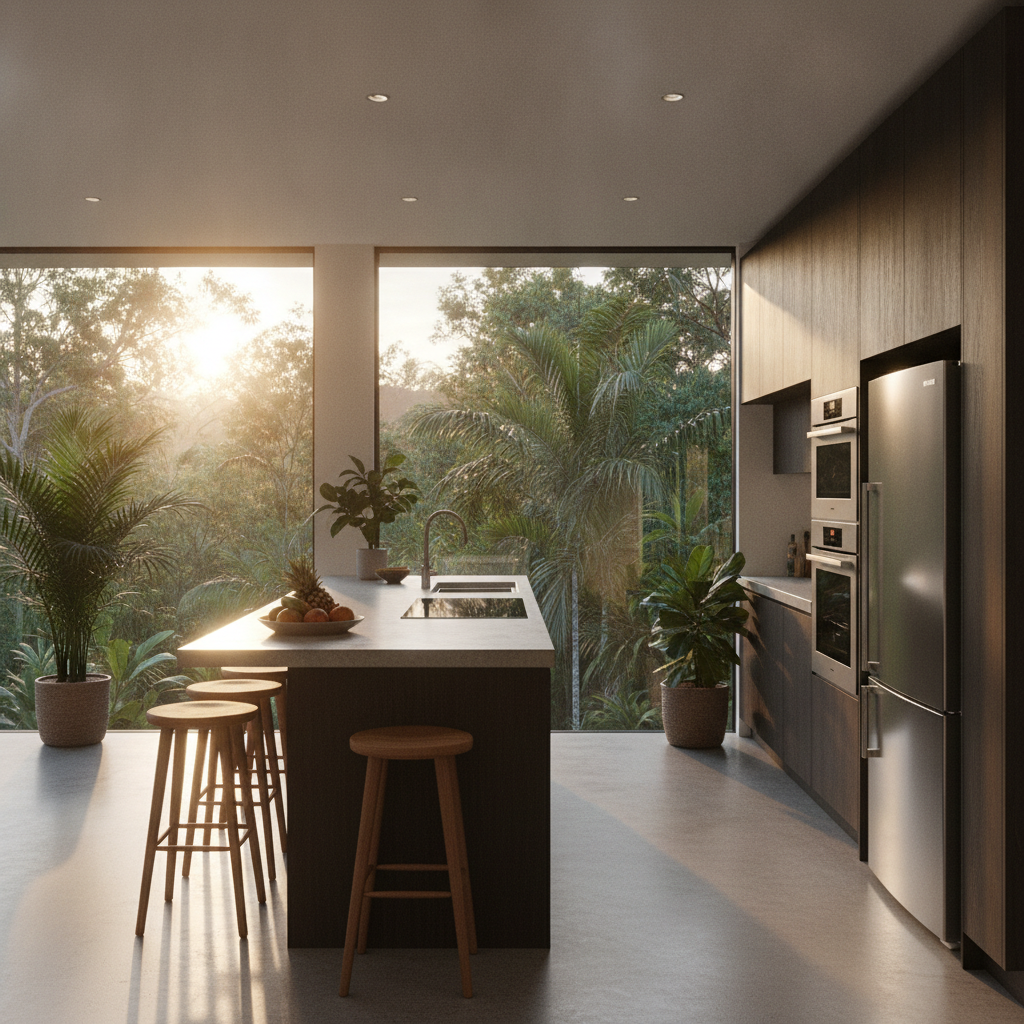
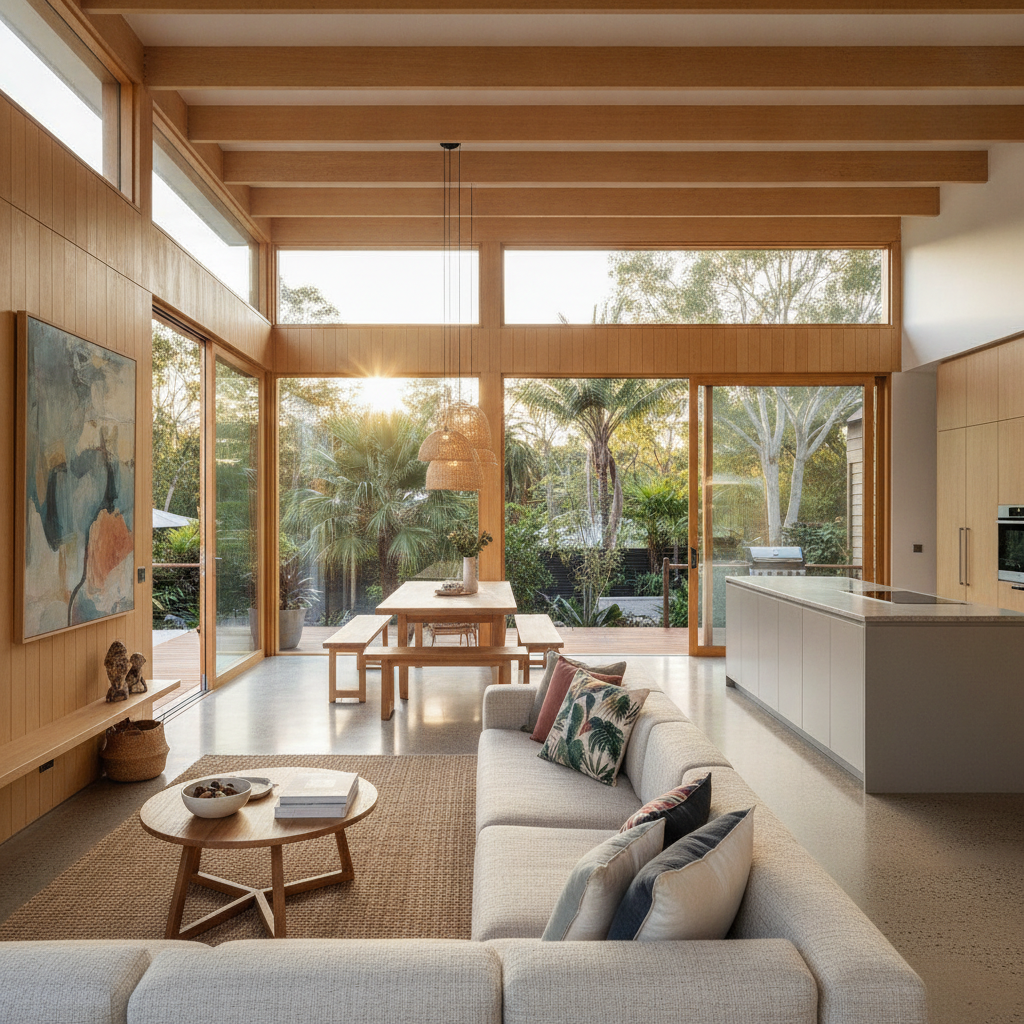
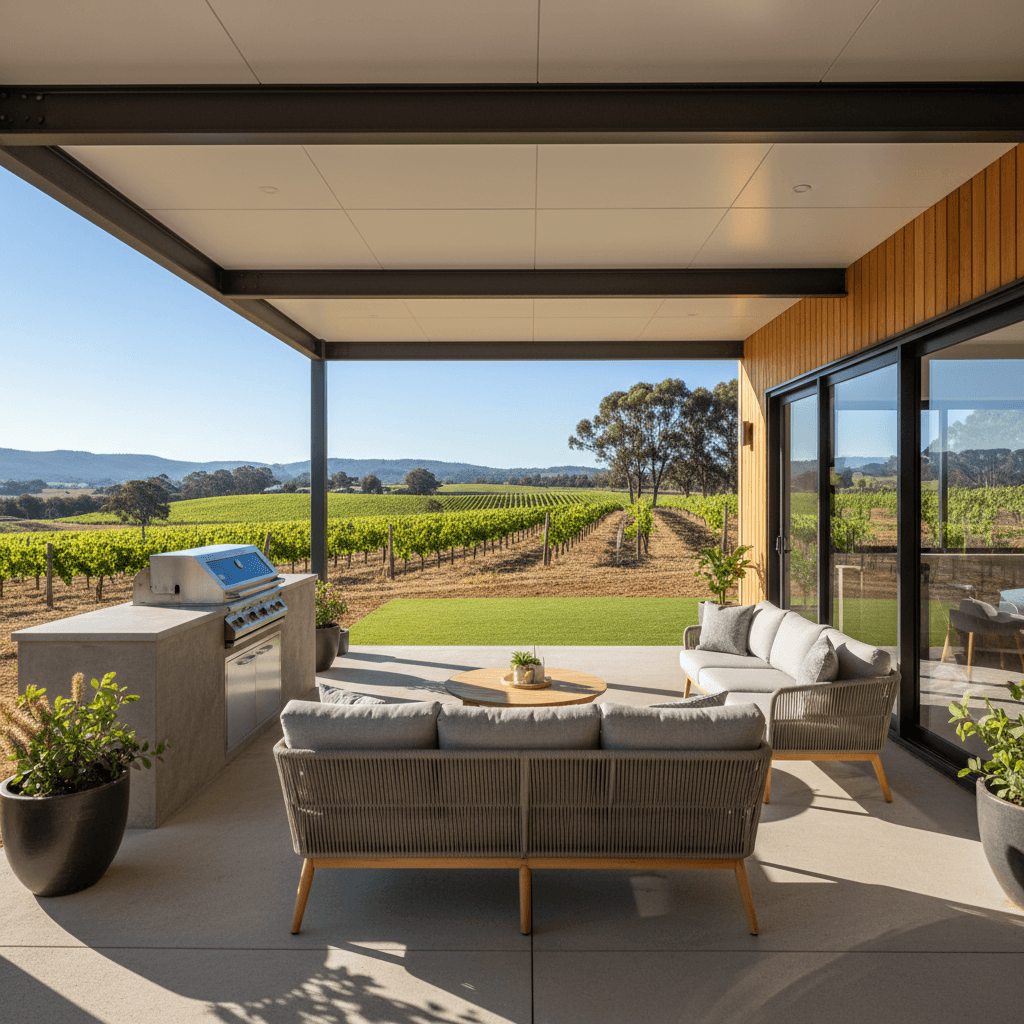
In Australia, we love our indoor-outdoor flow. It’s practically in our DNA. When you're looking at kit home designs, look for a central hub. An open plan kitchen, dining, and living area that spills out onto a deck or veranda is a winner every time. It keeps the family together while you're cooking dinner but gives you heaps of space when friends come over. But remember, too much open space can be a nightmare for noise. Maybe you need a separate media room or a small study nook? Think about it.
The Steel Frame Advantage: Wide Open Spaces
One of the best things about choosing a kit home with a steel frame is the structural strength. Because we use BlueScope TRUECORE steel, these frames are incredibly strong yet relatively lightweight. What does that mean for your floor plan? It means you can often achieve larger spans without needing as many internal load-bearing walls.
If you're keen on a massive, light-filled living area, steel is your best friend. It gives you the flexibility to have those big, beautiful openings for sliding doors that bring the outside in. Plus, you won't have to worry about the frame warping or twisting over time, which keeps those high-quality windows and doors sliding smooth as silk for years to come.
Zoning: The Secret to Sanity
Ever lived in a house where the master bedroom shares a wall with the noisy rumpus room? It’s a total headache. A well-designed floor plan uses 'zoning' to separate different activities.
Ideally, you want a 'parent retreat' at one end of the house and the kids' bedrooms at the other. Put the laundry and bathrooms in the middle as a noise buffer. It sounds simple, but it's a fair dinkum lifesaver. You also need to consider the 'work zone'. With more of us working from home, sticking a desk in the corner of the lounge usually doesn't cut it. Look for a plan that tucked the office away from the high-traffic areas.
Orientation and the Aussie Sun
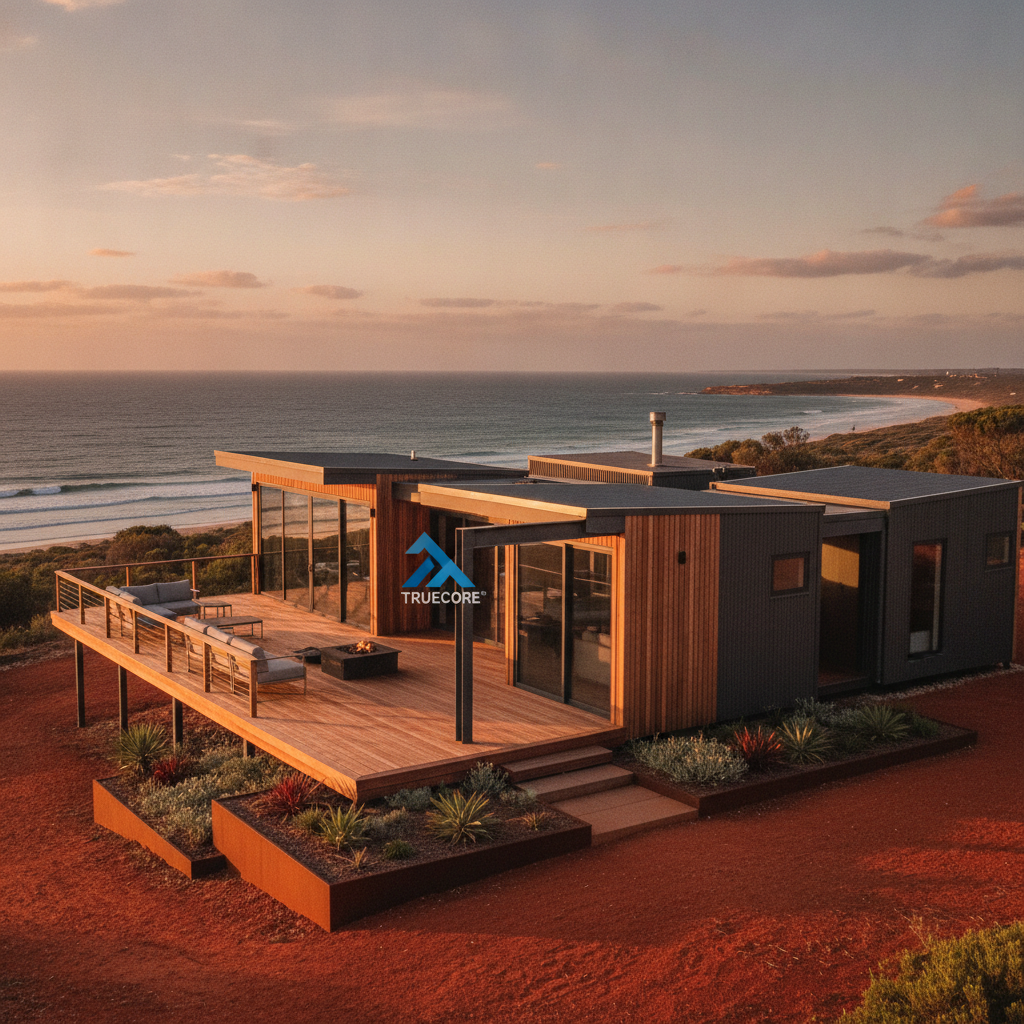
This is where a lot of people drop the ball. You can have the best floor plan in the world, but if it's facing the wrong way, you'll roast in summer and freeze in winter. In Australia, you generally want your main living areas and big windows facing North. This lets the winter sun deep into your home to warm it up naturally, while easy-to-install eaves or verandas block the harsh summer sun.
Check where your breezes come from too. A kit home with windows positioned directly opposite each other allows for cross-ventilation. This keeps the air fresh and saves you a fortune on cooling costs. Don't just plonk the house in the middle of the block because it looks 'right' from the road. Work with the land, not against it.
Storage: You Can Never Have Enough
One thing that catches people off guard is the lack of storage in modern designs. Where are you going to put the vacuum? The linen? The heaps of camping gear? A floor plan might look sleek and minimalist on paper, but real life is messy.
Look for designs that incorporate built-in robes in every bedroom and a dedicated walk-in pantry if you can swing it. A mudroom or a spacious laundry with extra cabinetry is also a cracker of a choice, especially if you've got kids coming home with dirty boots and school bags. If the kit doesn't have enough storage in the standard layout, talk about how you can tweak it before the steel frames are manufactured. It’s much easier to add a cupboard now than to try and squeeze one in later.
Future-Proofing Your Home
Are you planning on staying in this house for ten, twenty, or thirty years? Your needs today won't be your needs in a decade. If you have young kids now, they'll be teenagers eventually and they'll want their own space (and you'll want them to have it!).
Consider 'flexible rooms'. A space that works as a nursery now could become a study later, and eventually a guest bedroom. Think about accessibility too. Wider hallways and doorways are easier for prams now and wheelchairs or walkers much later. It's about being smart today so you don't have to renovate tomorrow.
The Logistics of the Build
As an owner builder, you're the boss of the site. This means you need to consider how the kit home actually goes together. Choosing a layout that uses standard lengths and simple roof lines can make your life a lot easier during the assembly phase.
Complex shapes with heaps of nooks and crannies look fancy, but they add time and effort to the build. Since you're the one managing the trades and the site works, keeping things relatively straightforward is usually the best bet for a smooth project. The beauty of the TRUECORE steel system is that everything arrives pre-punched and ready to bolt together, which takes a lot of the guesswork out of the equation anyway.
Final Checks Before You Commit
So, you think you've found 'the one'? Before you sign off, do a mental walkthrough. Imagine yourself waking up, making a coffee, and getting ready for work. Does the flow feel natural? Is the bathroom too far from the bedrooms? Can you see the kids in the backyard while you’re standing at the kitchen sink?
If you can, grab some masking tape and mark out the room sizes on the grass where you plan to build. It’s a great way to get a feel for the actual scale of the rooms. Most people are surprised by how different a space feels when you're actually standing in it versus looking at a piece of paper. Don't rush it. Take your time to get the floor plan right, and the rest of the build will fall into place much easier. No worries!
Building a kit home is a huge achievement. By focusing on a smart, functional floor plan and utilizing the strength and flexibility of a steel frame, you’re setting yourself up for a home that’s not just a house, but a place where your family can truly thrive.