So, you're thinking about a kit home?
It starts with a simple browse through some floor plans. You find a three-bedroom design that looks decent on paper, but something feels a bit off. Maybe the laundry is too small for your active family, or the living area doesn't quite face the right way to catch that morning sun. This is where the real fun begins. Designing a home isn't just about putting four walls around a kitchen. It's about how you move through your space after a long day at work.
Many people reckon they have to stick exactly to the brochure. That's a mistake. While a kit home provides the structural backbone, usually featuring high quality Aussie steel frames, the internal soul of the house is entirely up to you. You've got the freedom to move a wall here or add a window there. But how do you make those choices without ending up with a layout that's a total dog's breakfast?
Think about how you actually live
Ever sat down and tracked your daily movements? Most of us are creatures of habit. If you're the type who loves a weekend barbie with the mates, your kitchen needs to flow directly onto the deck. Nobody wants to be lugging a heavy tray of snags through three different rooms just to get to the grill. On the flip side, if you work from home, placing the study right next to the noisy TV room is asking for trouble.
Consider the 'mudroom' concept. It's becoming huge in Australia lately. If you're on a rural block or just have kids who love getting filthy at footy practice, having a dedicated spot to dump the boots and dirty clothes before they hit the main living area is a lifesaver. It keeps the rest of the house pristine and saves your sanity. Just a small tweak to the entry or laundry layout can make this happen.
The Great Australian Open Plan: Is it for you?
We've been obsessed with open plan living for decades. It's great for light and it makes small homes feel like mansions. But it has its downsides. Noise travels. If the dishwasher is running and the kids are playing video games while you're trying to have a quiet chat, it can get a bit much.
One trick we've seen work heaps of times is what we call 'zoning'. You keep the open feel but use smart design to separate different areas. Maybe it's a half-wall, or perhaps you tuck the bedrooms away down a separate hallway to give the teenagers some privacy. It's all about finding that balance between togetherness and not wanting to throttle each other because someone is playing music too loud.
North is your best friend
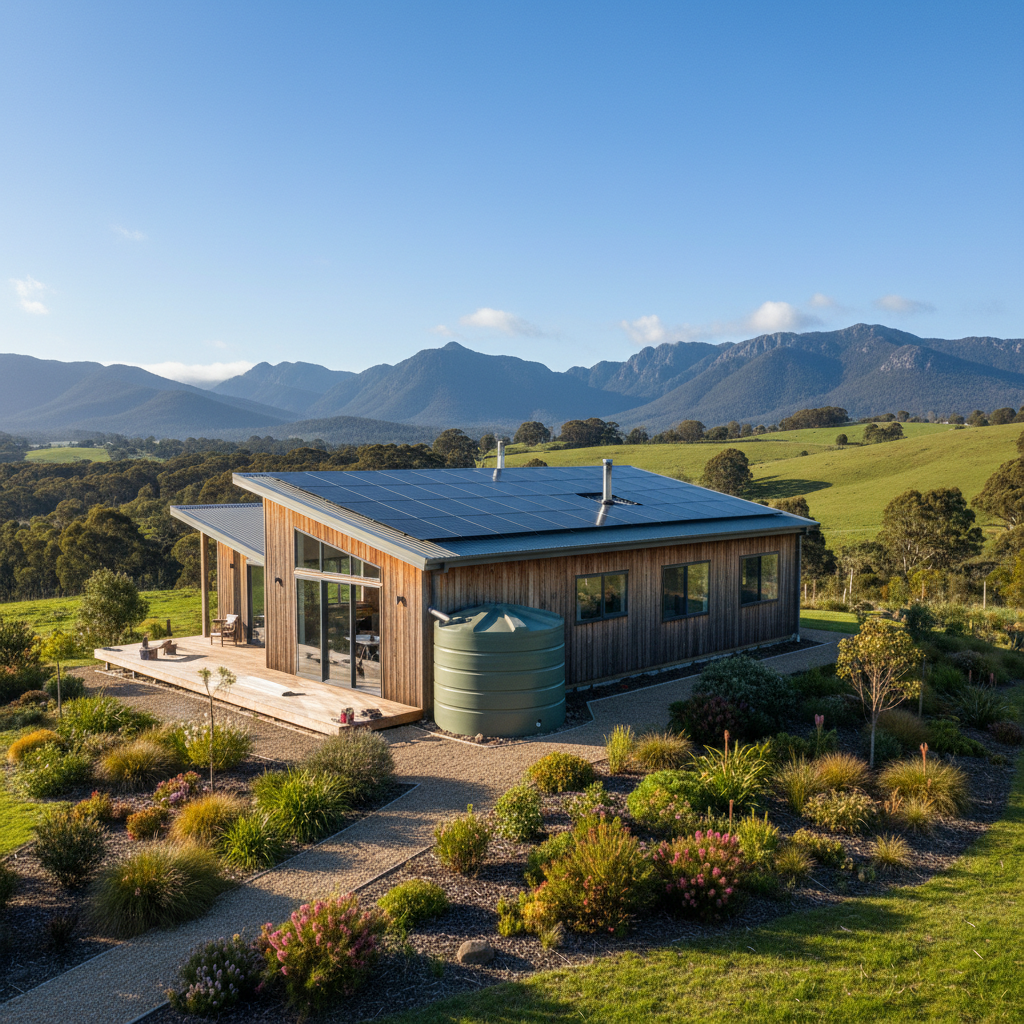
Getting your orientation right is arguably the most important part of customising your floor plan. This isn't just nerdy architect talk. It affects how much you're going to spend on heating and cooling for the next twenty years. In Australia, you want your main living areas and big windows facing north. This lets the winter sun deep into the house to keep you warm, while the high summer sun is easier to block out with a decent eave or an awning.
If you just plonk a standard kit design on your block without checking the compass, you might end up with a dark, freezing lounge room and a bedroom that's like an oven in the arvo. Take the time to suss out your site's orientation before you lock in the window placements. It's a cracker of a feeling when you don't even need to turn the heater on in July because the sun is doing the work for you.
Practical tips for site placement:
- Check your local wind patterns. Nobody wants a front door that's constantly being battered by the southerly buster.
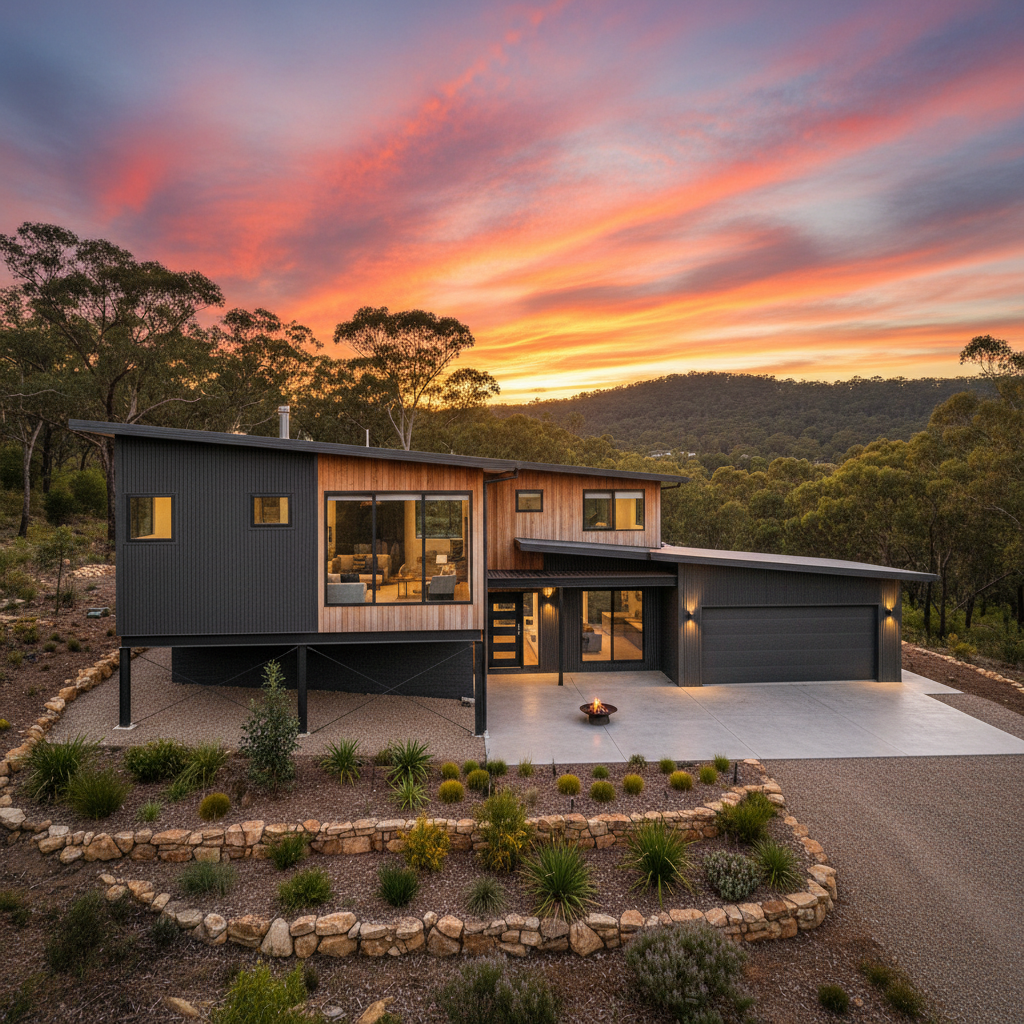
- Think about the view. If you've got a killer outlook over the valley, make sure you aren't staring at a blank wall while you're washing the dishes.
- Consider the ute. Will you have easy access from the driveway to the kitchen for bringing in the groceries?
Sizing up the rooms
Numbers on a plan can be deceiving. A 3x3 metre bedroom looks okay on paper, but once you put a queen bed and a couple of side tables in there, it gets cramped pretty fast. We always suggest grabbing a roll of masking tape and marking out room sizes on your current floor. It'll give you a fair dinkum sense of the space.
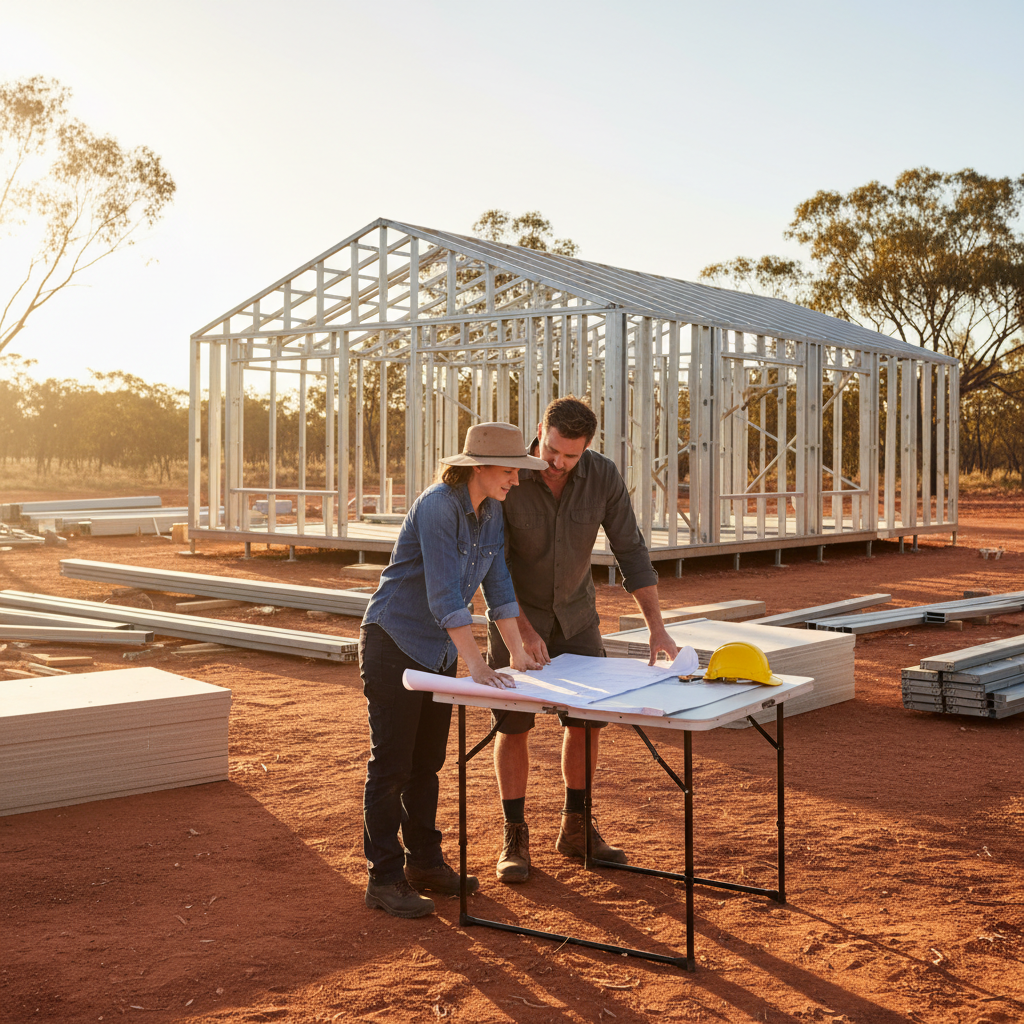
Do you really need a massive master ensuite, or would you rather that extra space went into a bigger walk-in robe? If you're an owner-builder, you've got the power to make these calls. Most kit home suppliers use BlueScope Steel frames because they're incredibly strong but also quite flexible for internal layouts. Because the steel bears the load, you often have more freedom with where you place your non-structural internal walls.
Don't forget the storage
You can never have enough storage. It's a fact of life. Most standard plans are a bit stingy in this department. Think about where the vacuum goes. Where do the Christmas decorations live? What about the ironing board? Adding a walk-in pantry or a linen cupboard might take a tiny bit of space away from a room, but it'll make your daily life so much smoother. It's these little details that turn a house into a home that actually works.
One clever idea is to use high ceilings. Because kit homes are often built with light, strong steel trusses, you can sometimes work in some attic storage or just use taller cupboards. Every extra cubic metre of storage is a win for your future self.
Outdoor integration
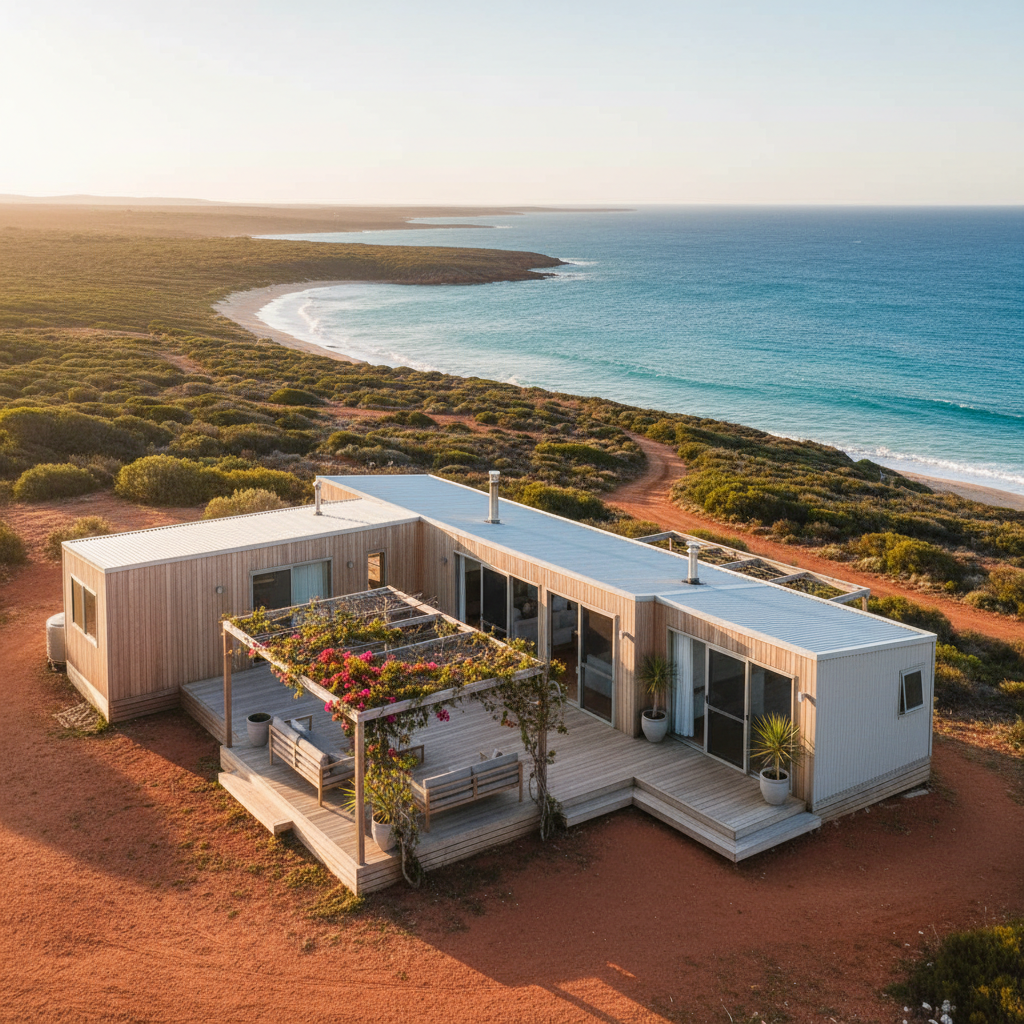
Our climate is built for outdoor living. When you're looking at your kit design, don't treat the deck as an afterthought. It's an extension of your lounge room. Large sliding doors can blur the line between inside and out. If you've got the space, why not wrap the verandah around the side of the house? It provides shade and gives you multiple spots to sit depending on where the sun is. Plus, it just looks right in the Aussie landscape.
Keep it simple where it counts
While customising is great, don't get too carried away with complex roof lines or weird angles. The beauty of a kit home is its efficiency. If you start adding octagonal turrets or twelve different roof levels, your build time and stress levels will skyrocket. Stick to smart, functional changes. Moving a door, widening a hallway, or adding a window is easy. Changing the fundamental shape of the steel frame structure can get tricky and expensive.
Ask yourself: Does this change actually improve my life, or is it just a whim? Most of the best customisations are the ones that make the home feel more spacious and logical.
Wrapping it up
Building your own home is a massive undertaking, but it's also one of the most rewarding things you'll ever do. By taking a standard kit and tweaking it to fit your specific lifestyle, you're getting the best of both worlds: a proven structural system and a home that's uniquely yours. No worries if you're not a design pro. Just start with the basics of sun, space, and how you spend your time. If you get those right, the rest will fall into place perfectly. Happy building!