Termites Don't Eat Steel - The Kit Home Advantage for Rural Builds
Listen, if you've ever lived in rural Australia, you know the drill. Rain, flies, dust, and termites. Those little buggers are everywhere, aren't they? They'll chew through anything that's not moving fast enough, especially your home's timber frame, and they do it in silence. You won't know they're there until the damage is done. Building out in the country, or even just in a high-risk termite area, means you need to think differently about your materials. That's why a steel frame kit home makes so much sense, particularly for owner-builders who want peace of mind.
We've been supplying kit homes with BlueScope TRUECORE steel frames for years now, and the number one question we get from folks building out past the last street light is always about termites. It's a genuine worry. Timber is a termite's favourite meal, and they can absolutely decimate a house in a few short years. But steel? Nah, not a chance. They might build mud tubes over it, but they're not eating their way through your structural integrity. That's a massive win, especially when you're managing your own build and have a million other things to worry about.
Why Steel Frames Are the Termite's Worst Nightmare
It's simple really: steel isn't organic. Termites, those tiny, destructive terrors, are after cellulose. Timber frames, plasterboard, even some insulation types - they're all on the menu. A TRUECORE steel frame, on the other hand, is made from cold-formed steel. It's galvanised, rolled, and shaped to form your wall frames and roof trusses. There's zero food value for a termite in that. They can't digest it, they can't chew through it, they can't nest in it effectively.
This isn't just about avoiding a minor repair bill, either. We're talking about preventing catastrophic structural damage. Imagine getting a termite inspection report back that says your subfloor or wall frames are riddled. The costs to fix that, especially if you have to rip out walls and ceilings, are astronomical. Plus, it's a huge headache, a massive disruption. With a steel frame, that core worry? Gone. You've eliminated the primary food source for termites in your home's skeleton.
Rural Builds and Termite Risk: A Bad Combination for Timber
Building in a rural area often means your property backs onto bushland, paddocks, or uncleared ground. These are prime breeding grounds for termites. The soil is rich with their colonies, and they're always foraging, always looking for new food sources. In suburban areas, sometimes the sheer amount of concrete and cleared land offers a tiny bit of natural deterrence, but out in the sticks, you're practically inviting them in if you're not careful.
And let's be real, out in rural spots, sometimes getting regular pest inspections can be a bit of a trek for the local bloke. You might not get around to it every year, or you might rely on your own inspections, which can miss the subtle signs. Having a steel frame reduces that risk significantly. It doesn't mean you skip all termite management, of course - they can still get into skirting boards or roof timbers if you use those - but your main structural elements are safe.
Beyond Termites: Other Steel Frame Perks for Owner-Builders
While termite resistance is a huge selling point, especially for those rural properties, steel frames bring a heap of other benefits to the table. As an owner-builder, you're juggling a lot, so anything that makes the process smoother, faster, or more robust is a bonus.
- Straight and True: Timber can twist, warp, and shrink as it dries out, especially with changes in humidity and temperature. Steel frames? They stay straight. This means your walls will be plumb, your ceilings flat, and hanging plasterboard becomes a much easier, less frustrating job. Ever tried to sheet a wonky timber frame? It's a nightmare. Steel gives you a perfect canvas.
- Fire Resistance: Another big one for rural areas, especially in places prone to bushfires. Steel is non-combustible. It won't ignite, and it won't add fuel to a fire. While extreme heat can affect steel's structural integrity, it certainly won't burst into flames like timber. This can be a factor in achieving better BAL (Bushfire Attack Level) ratings, though it's not a silver bullet, mind you.
- Lightweight but Strong: Our kit frames are delivered in sections, all clearly marked. Steel is strong, incredibly strong, but also relatively lightweight compared to timber for the same load-bearing capacity. This can make erection a bit easier for an owner-builder and a couple of mates. It also means less strain on your slab and footings in the long run.
- Recyclable and Sustainable: For those who care about their environmental footprint, steel is 100% recyclable. Most new steel contains a significant percentage of recycled material. That's a tick for sustainability, and something more people are thinking about these days when building their homes.
- Consistent Quality: Every piece of TRUECORE steel is manufactured to strict Australian standards. You're not dealing with natural variations you find in timber, like knots, splits, or inconsistent grain. You get a uniform product, every time. This consistency really helps when you're trying to build accurately and efficiently.
Owner-Builder Tips: Making the Most of Your Steel Frame Kit
Alright, so you've got your steel frame kit arriving on site. What next? Here's some practical advice to help you out:
Site Preparation is Key
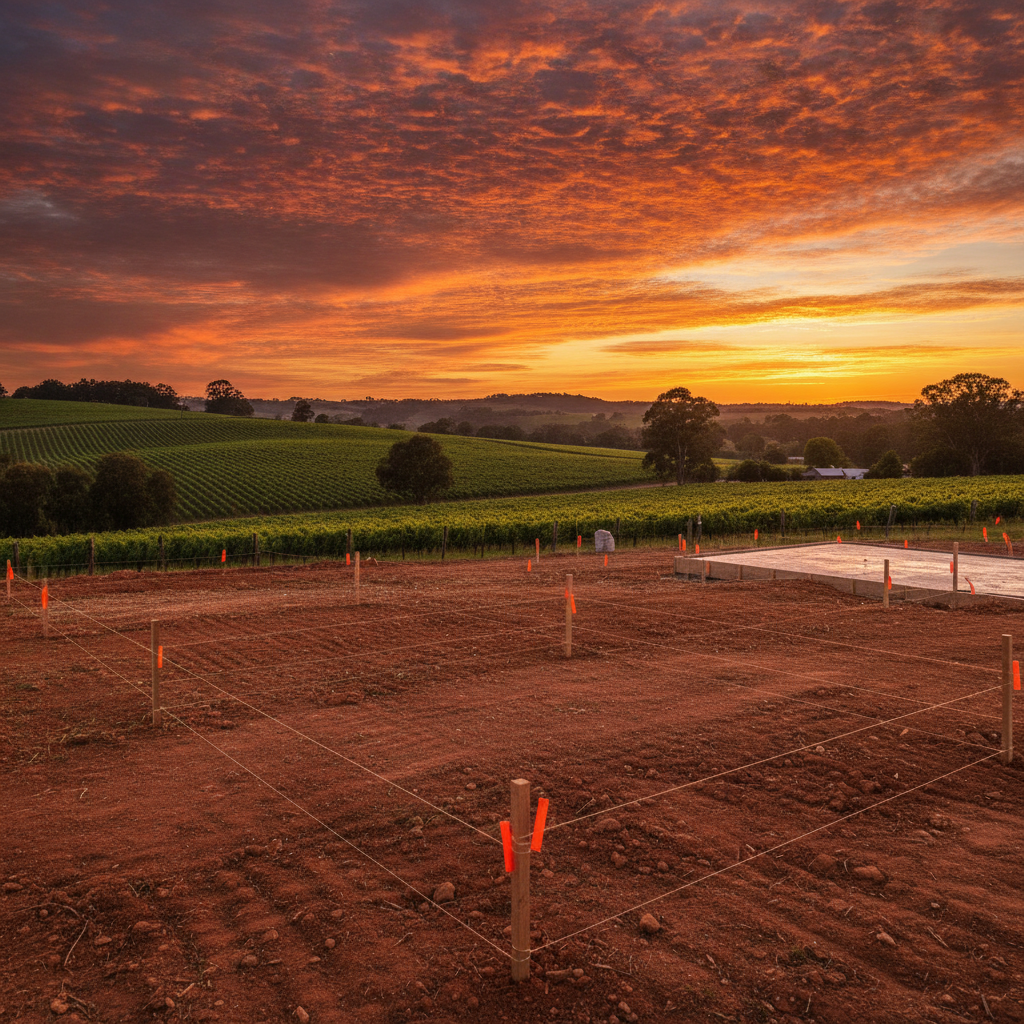
Before any steel arrives, make sure your slab or bearers and joists are absolutely spot-on level and square. Steel frames are engineered to precision. If your base isn't perfect, you'll be fighting it from the first wall panel. Get a good surveyor or a very experienced concreter. A few millimetres out at the slab can mean a noticeable lean by the time your roof trusses are up.
Get the Right Tools
While our frames are designed for easy assembly, you'll want a good impact driver, a decent laser level, and plenty of tek screws. Don't skimp on quality tools. It'll save you headaches and help you work more efficiently. A magnetic spirit level is also handy for making sure your studs are plumb before fixing off.
Read the Manual (Seriously)
We provide detailed instructions for assembling your kit. Don't just wing it. Sit down with a cuppa and go through the plans, piece by piece. Understand how each section connects, where the bracing goes, and the sequence of erection. It might seem like overkill, but trust me, it saves hours of head-scratching later. Our frames are designed to go together logically, but you need to follow the map.
Plan for Services
Plumbers and electricians will appreciate the pre-punched service holes in steel studs. It makes running pipes and cables a breeze. Just make sure you've communicated with your trades early about the steel frame. Some old-school plumbers used to only work with timber, but these days, most are fine with steel. Always confirm though.
Bracing and Engineering
Steel frames rely on specific bracing to maintain their rigidity. This could be in the form of diagonal straps or engineered sheeting. Make sure these are installed exactly as per the engineering drawings. That bracing is what gives your house its resistance to wind loads and lateral forces. Don't skip it, and don't take shortcuts there. It's fundamental to the structural integrity.
Consider Insulation
Because steel conducts heat more readily than timber, good insulation is even more important. We include insulation in our kits, but consider upgrading or adding extra layers if you're in an area with extreme temperatures, hot or cold. Proper insulation, like foil sarking and batts, will make a massive difference to your home's thermal performance, keeping those power bills down.
The Final Word on Termites and Steel
Building a home is a huge undertaking. Building it yourself, out in regional Australia, means you're taking on even more responsibility. Eliminating a major, silent threat like termites from your list of worries is a massive relief. A steel frame kit home gives you that peace of mind. You get the strength, the precision, and the termite resistance that a timber frame just can't offer in the same way.
So, when you're dreaming up that perfect rural escape, that kit home nestled amongst the gum trees, remember that steel frame. It's not just about the four walls and a roof. It's about building something that will stand strong, without the hidden nightmares munching away in the dark. It's a smart choice. A durable choice. One less thing to keep you up at 3 AM.