I have spent fifteen years watching people look at floor plans. Most of them do it the same way. They open a brochure, see a massive four-bedroom design with a wrap-around bush verandah, and fall in love instantly. Then they try to stick it on a narrow block in the suburbs or a steep site in the Dandenongs and the whole project falls apart before the first pier is poured. Picking the right kit home size is not just about how many kids you have to house. It is about physics, bureaucracy, and the cold reality of your site boundaries.
The Footprint Trap
Your land is not as big as the title says it is. Not really. Once you factor in setbacks required by your local council or the NSW Rural Fire Service, that 600 square metre block shrinks fast. You can't just build to the fence line. You have to account for side setbacks, often 900mm or more, and the ever-looming BAL (Bushfire Attack Level) requirements. If you're in a BAL-29 or BAL-40 zone, those setbacks dictate how far your TRUECORE steel frames need to be from the scrub. If you squeeze a house too close to the boundary, you might find yourself paying a fortune for toughened glass and specialized fire shutters because you didn't leave enough breathing room.
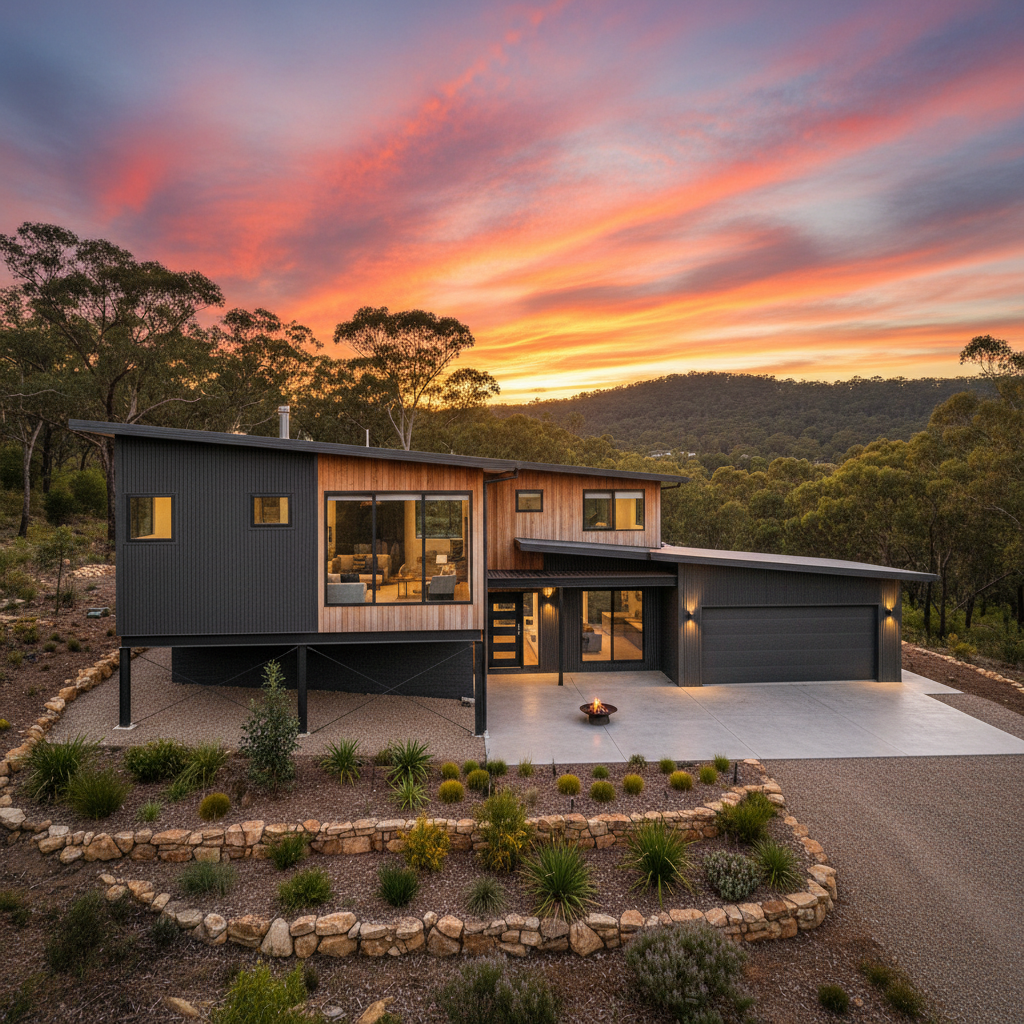
Check your sewer lines too. I remember a bloke in Penrith who bought a kit home because the price was right, but he didn't check the jump-up for the sewer. He ended up having to shrink his floor plan by two metres just to stay clear of the easement. It killed his dream of a double garage. Start with a survey. Not a Google Maps guess. A real surveyor's pegging out. That is your actual canvas.
Lifestyle vs. Square Metres
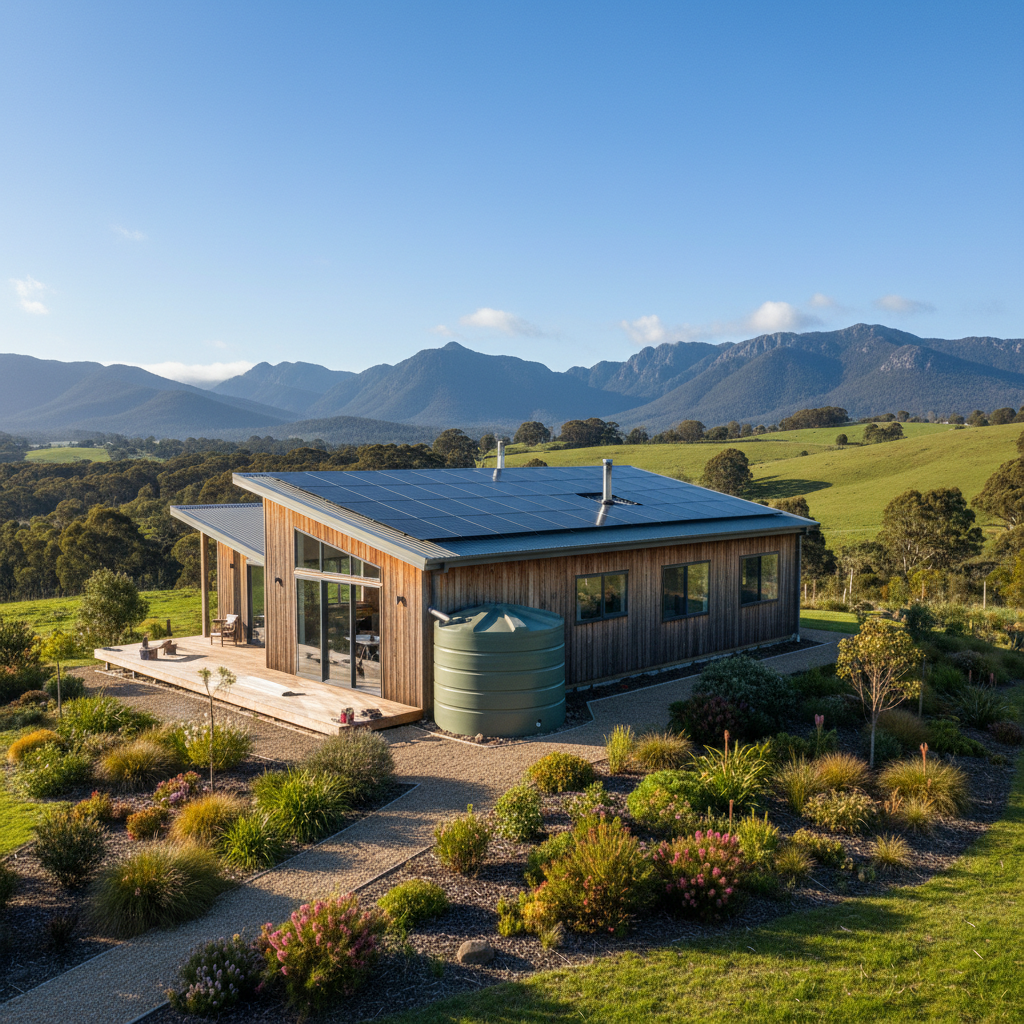
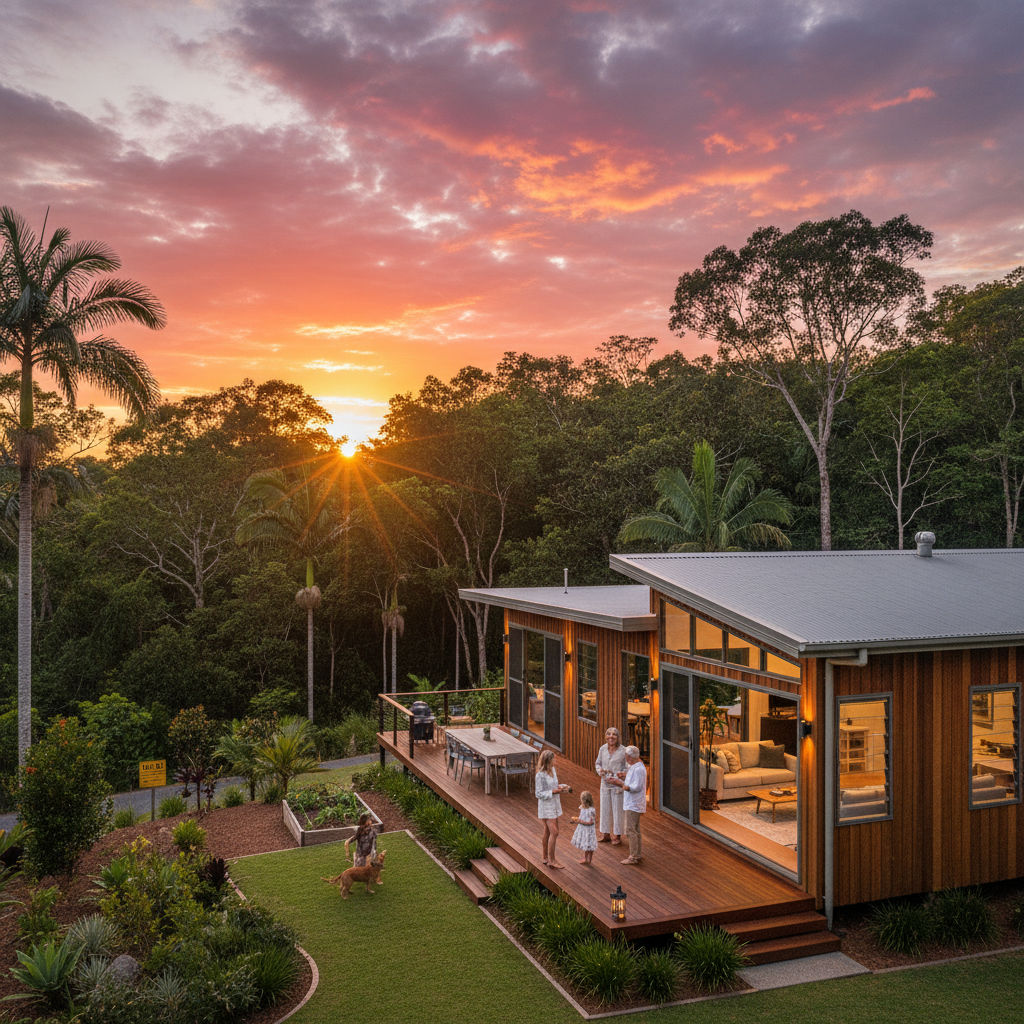
People get obsessed with bedroom counts. They want a four-bedroom home because that's what the market likes. But if you're a couple whose kids have moved to Melbourne, why are you paying to roof and clad two rooms you will only use for storage? Small footprints are underrated. A well-designed two-bedroom kit home with a decent open-plan living area feels bigger than a cramped four-bedroom maze. Focus on the flow between the kitchen and the deck. In Australia, we live outside half the year. If you choose a smaller internal kit but add a massive verandah with steel rafters that won't warp in the sun, you get more living space for less hassle. Plus, cleaning a smaller house is better. Less vacuuming, more fishing.
Steel Frames and Design Flexibility
One reason I always point people toward steel is the span. Because we use BlueScope steel, we can get decent open spans without needing thick, chunky timber beams that drop down into your ceiling space. If you are trying to maximize a small kit home, go for high ceilings and open spans. It tricks the brain into thinking the place is huge. Steel is light, too. If you are building on a site with tricky access, maybe a steep block in the hinterland, getting those steel wall frames off the truck is a hell of a lot easier than lugging heavy treated pine around. It saves your back and your timeline.
The Reality of the Owner-Builder Journey
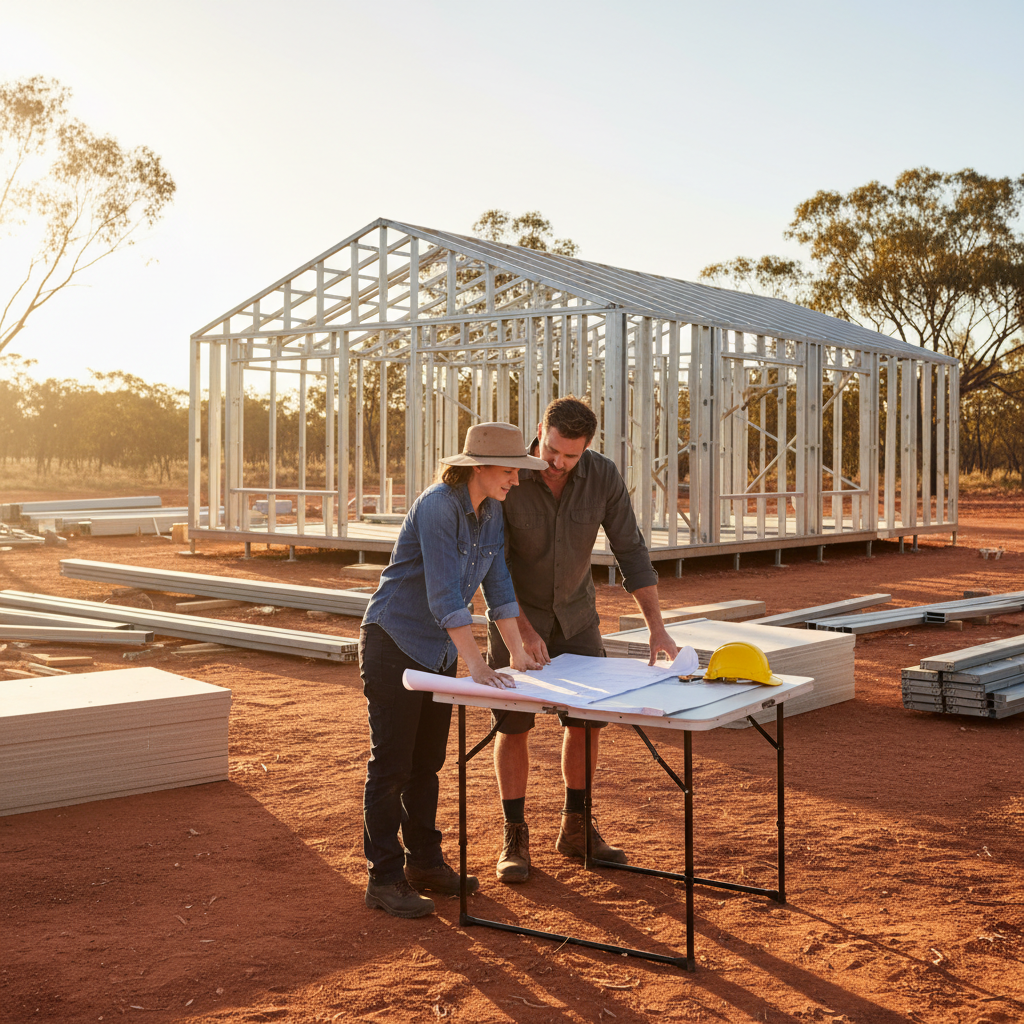
Being an owner-builder is a slog. It is rewarding, sure, but it is a lot of work. When you choose a massive kit home, you are signing up for more of everything. More roofing sheets to screw down. More windows to level. More plastering to coordinate. If you have never managed a site before, don't bite off a 300 square metre monster. Start with something manageable. A kit home should fit your lifestyle, and that includes the lifestyle you want while you are building it. You don't want to be three years into a project and still looking at bare frames because you went too big for your budget or your patience.
Think about site coverage. Most councils have a limit, often around 50% or 60% of the total land area. If you max that out with the house, you have nowhere left for the shed, the tank, or the clothesline. And you definitely need a shed. Nowhere to put the mower is a recipe for a messy backyard and a grumpy spouse.
Common Sizing Mistakes I See Every Month
1. Overcooking the guest room. Don't build an extra 15 square metres just for your mother-in-law to visit once a year. Buy a good sofa bed instead.
2. Forgetting the hallways. Wide hallways feel premium but they eat floor space. In a kit home, every centimetre matters.
3. Ignoring the solar orientation. If you pick a wide design and sit it facing west, your house will be an oven. Match the size and shape to the sun.
4. Skimping on the laundry. We are a messy lot. You need a mudroom or a decent laundry space, especially if you're on an acreage block with red dust or mud.
It is worth looking at the NCC Volume 2. It lays out the basic requirements for things like ceiling heights and room sizes. You have to follow these anyway, so use them as your baseline. Don't try to reinvent the wheel. The standard kit sizes exist because they work with standard material lengths. If you start hacking and changing dimensions, you end up with more waste and more trips to the tip. And nobody likes paying for a skip bin.
Building a home is about the long game. Last Saturday I was chatting with a fella who finished his kit in the Hunter Valley. He went for a modest three-bedroom design instead of the four-bedroom one his wife originally wanted. He told me it was the best decision they made. They had more money left for a decent kitchen and a high-end air con unit. Because he didn't overbuild, he finished the project six months early. That's six months of not living in a caravan or paying rent elsewhere. That is a massive win in my book. So take a breath, get the tape measure out, and be honest about how much house you actually need to be happy.