Tree Change Dreams? Why a Kit Home is Your Best Bet for Regional Australia
The call of the bush, the whisper of the wind through gum leaves, the sheer quiet that just doesn't exist in the city. You've felt it, haven't you? That pull towards a tree change, a sea change, a move to regional Australia where life ticks at a different pace. It’s not just a pipe dream anymore; it’s a full-blown trend. And for a heap of Aussies, the way to make it happen without breaking the bank or losing your mind is with a good old kit home.
See, when you're thinking about a move out of the metro grind, you're not just picking a new postcode. You're signing up for a different way of life, and often, that means tackling some serious building challenges. Local tradies can be scarcer than hen's teeth, materials harder to get, and standard project homes? Forget about the flexibility you need. That's where kit homes, especially the ones built tough with steel frames, really shine. They put the power back in your hands.
Owner Builder's Paradise: Taking Control of Your Regional Build
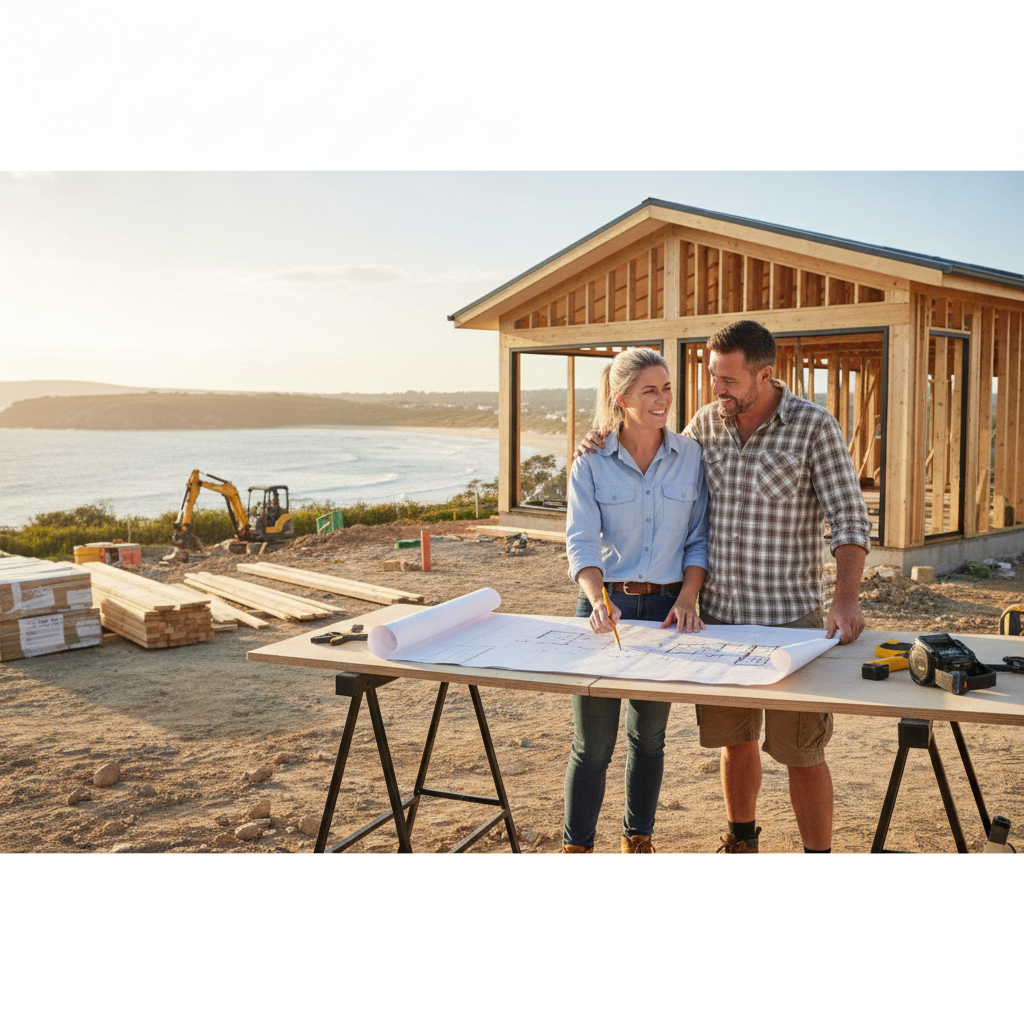
Let's be straight: building a home, any home, is a huge undertaking. But out in the regions? It's a whole different ball game. You might be miles from the nearest major supplier, and finding a builder who isn't booked solid for the next two years can feel impossible. That's why owner-building is so popular with tree changers. It gives you control, and frankly, it often saves you a fair bit of coin too.
A kit home takes a lot of the guesswork out of owner-building. You get the main structure – the bones, the skin, the roof over your head – delivered straight to your site. We're talking quality stuff, too. Our kits, for instance, come with strong BlueScope Steel (TRUECORE) frames, roofing, cladding, windows, doors, and all the insulation you need to keep things comfy, no matter what the Aussie weather throws at you. You still handle the site works, getting the slab poured, and sorting out your plumbing, electrical, and all the internal fit-out. But that big, scary shell? It arrives ready for you to get stuck into.
Finding Your Feet: Site Prep & Local Knowledge
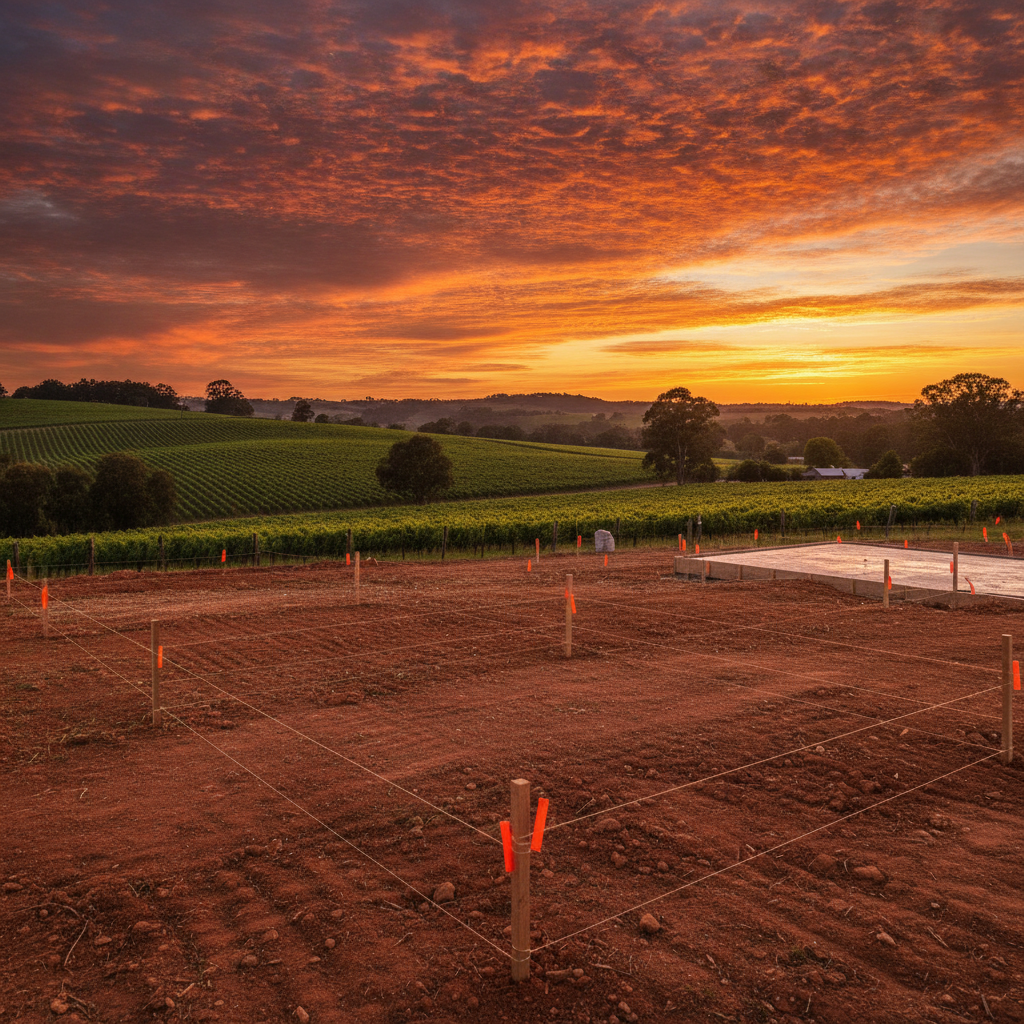
First thing's first, you need land. And when you’re out of the city, land comes with its own quirks. Is it steep? Rocky? What's the soil like? You'll need to sort out proper geotechnical reports, especially if you're dealing with reactive clays common in some areas. Good site preparation is non-negotiable. Don't skimp on this. A solid, level foundation is crucial for any build, but particularly for a kit home where everything is precision-engineered to fit together.
Plus, every regional council has its own little set of rules. Get familiar with the local Development Application (DA) process. They'll care about bushfire attack level (BAL) ratings, septic systems (if you're off sewer), and sometimes even the visual impact on the local area. Before you even think about ordering, have a good chat with the council planning department. It’ll save you headaches later, trust me. We had a customer near Armidale once who nearly got caught out by a little-known heritage overlay on his block – sussing that out early on saved him thousands.
Design & Lifestyle: Homes That Fit Regional Life
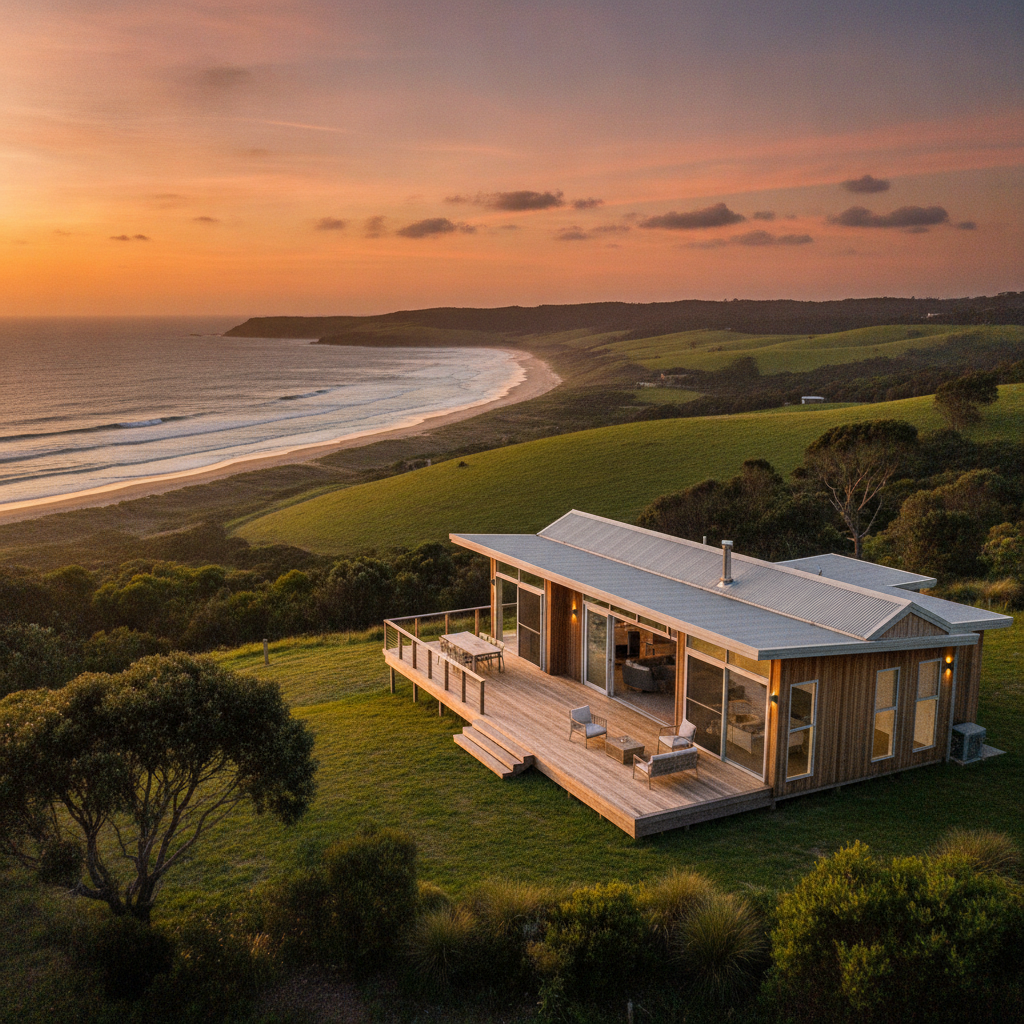
The beauty of a kit home isn't just the practical side; it's the design flexibility. You're not stuck with some cookie-cutter suburban box out in the middle of nowhere. Regional living calls for different things. Big verandahs, for example, are a no-brainer. They give you shade from the blistering summer sun and a spot to sit and watch the world go by, rain or shine. Think about how you’ll actually live in the space. Will you be entertaining outdoors a lot? Do you need a dedicated office space for working remotely? What about a mudroom for muddy boots and wet dogs?
Our designs cater to this. We've got layouts that maximise natural light and ventilation, which is gold when you're trying to keep power bills down. Picture a long, skinny house running east-west, with big windows facing north to catch that winter sun. Simple, effective stuff. A lot of tree changers go for open-plan living areas. It just feels right in a country setting, connecting the kitchen, dining, and lounge into one big, welcoming space. You're building for a lifestyle, not just square footage.
Steel Frame Benefits: Built Tough for the Bush
When you're out in regional Australia, your home needs to be tough. Termites are a real menace. Bushfires are a constant threat in many areas. And you get some wild weather swings, from baking hot days to icy cold nights. That's where a steel frame really earns its keep.
Steel frames, like the ones we use from TRUECORE, don't just stand up to termites – they laugh in their faces. Termites can't eat steel, simple as that. It's a massive peace of mind, especially if you're building in a high-risk termite zone, which is a lot of regional Australia. Plus, steel is non-combustible. While no house is completely fireproof in a bushfire, a steel frame can offer better protection than timber. It also holds its shape incredibly well, staying straight and true. No warping, twisting, or shrinking, which means your walls stay plumb and your plaster doesn't crack down the track. This stuff is engineered to Australian standards, built to last. It’s just solid.
Kit Home Tips: Your Building Playbook
- Plan, Plan, Plan: Seriously, you can't over-plan. Get your site plans, engineering, council approvals sorted before anything else. Know exactly what you're doing, who's doing it, and when.
- Know Your Limits: Owner-building saves money, yes. But be realistic about your skills. If you've never wired a plug, maybe don't attempt the entire electrical fit-out. Budget for professional trades where you need them – plumbers, electricians, plasterers. It’s an investment in getting it right and staying safe.
- Establish a Good Relationship with Suppliers: When you're in a regional spot, having a reliable delivery schedule for your kit and other materials is everything. Communication is key. Stay on top of your orders and deliveries.
- Weather Watch: Regional weather can turn on a dime. Schedule your slab pour for dry days. Have tarps ready to protect materials. Wind can be a real pain when you're erecting frames, so pick calm days for that work.
- Build a Contingency Fund: Things will go wrong. They always do. A good owner-builder always has a buffer – maybe 10-15% of the total project cost – for unexpected issues.
Owner Builder Tips: Getting Hands-On
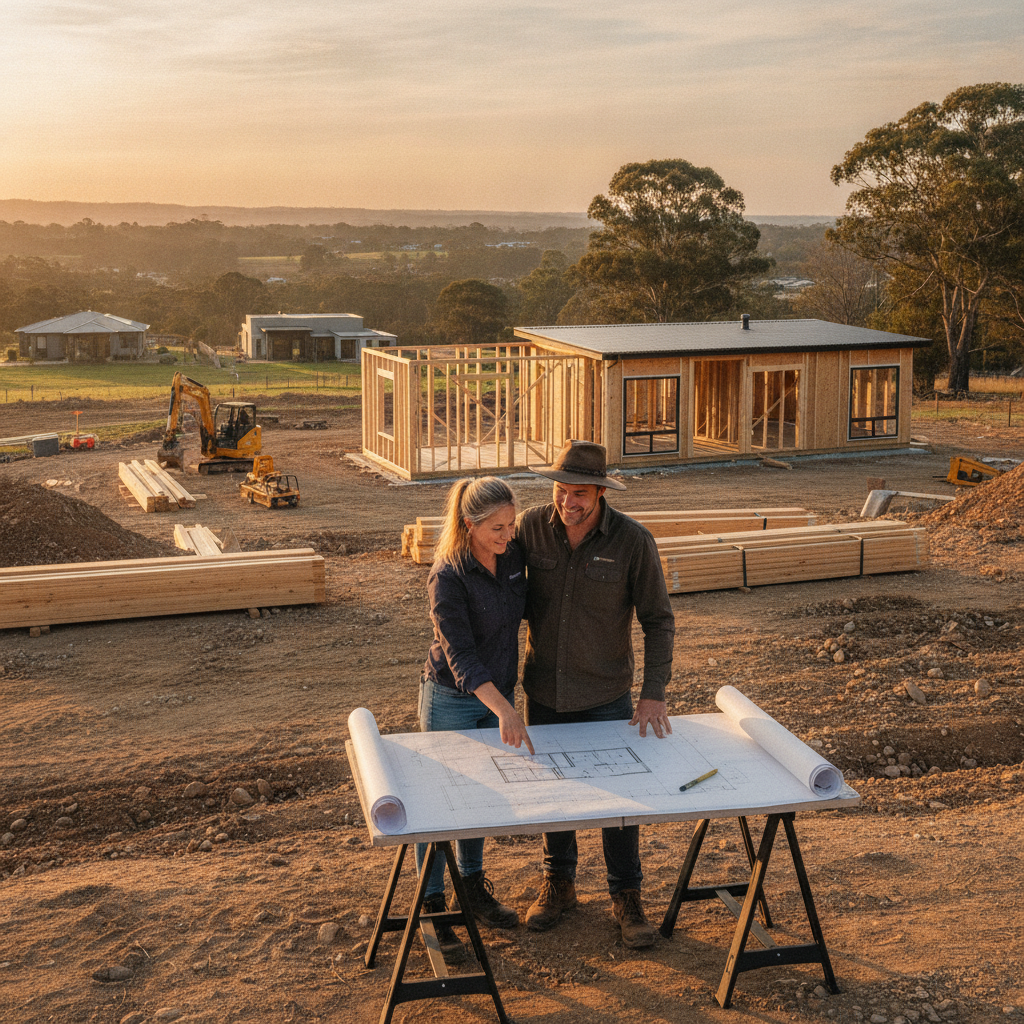
So, you're the project manager, the labourer, the problem-solver. It's a big hat to wear, but damn, it's rewarding when you see it all come together. We've seen owner-builders in places like Kingaroy and Bright absolutely nail it.
You'll need a decent shed or container on-site for secure storage. Tools, materials, paperwork – keep it dry and locked up. Organise your building site like a pro; waste management is crucial, especially in remote areas where skips might cost a fortune to haul away. Keep your work area tidy. It’s safer, and you’ll lose fewer screws. Trust me on that one.
Don't be afraid to ask for help. Even if you're doing most of the work yourself, you'll likely need a mate or two for those heavy lifting jobs – like putting up the frame sections. Shout them a slab and a feed; it goes a long way. And for anything structural or critical, like the frame erection, always make sure you're following the engineering drawings to the letter. Don't eyeball it. Every bolt, every bracing strap, it's all there for a reason.
Australian Housing Trends: The Regional Shift is Real
Look, the last few years have shown us that working from home isn't just a fantasy anymore. It's a reality for millions. And that's turbo-charged the regional living trend. People are chasing space, fresh air, community. They want a simpler life, a backyard for the kids (or the chooks), and less traffic. Kit homes fit right into this. They offer an affordable entry point, especially when land prices outside the cities are still within reach for many.
You’re not just building a house; you're building a home that's part of a lifestyle change. It's about waking up to birdsong, not sirens. It's about knowing your neighbours, not just waving at them from a distance. And it's about having the satisfaction of saying, "Yeah, I built that," when friends come to visit. That's a pretty good feeling, that is.
So, if you’re serious about that tree change, if you’re itching to get your hands dirty and create something real in a place you love, then a kit home might just be your ticket. It’s practical, it’s tough, and it gives you the freedom to build your dream, your way. Just make sure you’ve got a good cuppa tea brewing for all the planning you’ll be doing.